How to Maximize Space in an 8x8 Storage Unit: Complete Guide |
| HOW TO MAXIMIZE SPACE IN AN 8X8 STORAGE UNIT
⏱ 16 min read ·
📄 #3,103 words
Learn proven strategies to maximize your 8x8 storage unit space. Get expert packing tips, organization methods, and layout plans to fit more in 64 sq ft.
|
A n 8x8 storage unit provides 64 square feet of floor space and approximately 512 cubic feet of total storage volume when you use vertical space effectively. Most renters only utilize 40 to 60 percent of available space because they stack items haphazardly without a plan. By following strategic packing methods, you can fit the contents of a studio apartment or small one-bedroom home into this compact footprint.
| Key Points: | |
|---|---|
| • | Use uniform box sizes (18x18x16 inches recommended) to maximize stacking efficiency and increase usable space by 25 to 30 percent |
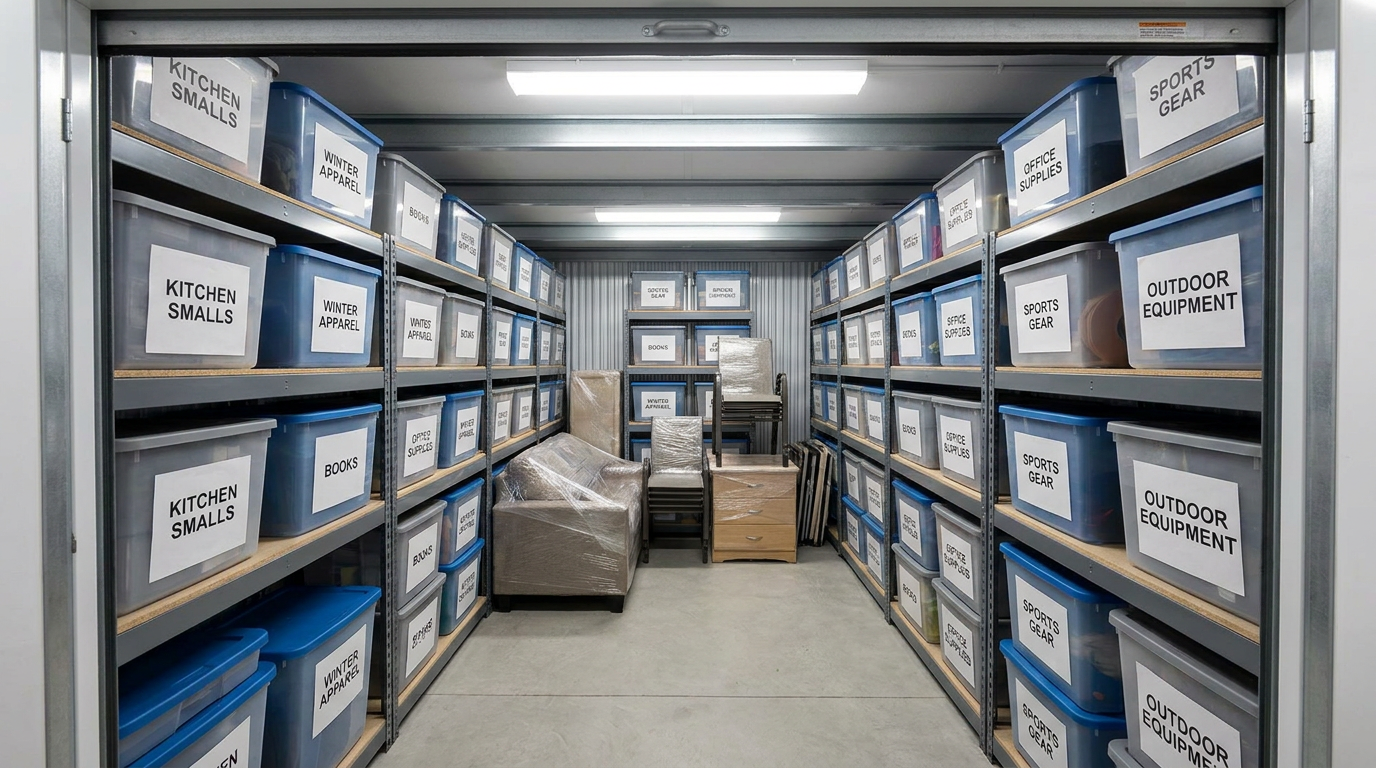
| • | Stack items floor to ceiling in a U-shape pattern, leaving a 2-foot center aisle for access |
| • | Disassemble furniture to reduce footprint by 40 to 50 percent; store legs, shelves, and hardware in labeled bags |
| • | Fill hollow spaces inside dressers, appliances, and bins with small items to eliminate wasted cubic footage |
| • | Place heavy items on the bottom and frequently accessed items near the front or along the aisle |
Understanding Your 8x8 Storage Unit Dimensions
An 8x8 storage unit measures 8 feet wide by 8 feet deep, creating 64 square feet of floor space. With standard ceiling heights of 8 to 10 feet, you gain 512 to 640 cubic feet of total storage volume. According to Extra Space Storage's size guide, this unit size compares to a large walk-in closet or half of a standard 10x10 bedroom.
This size works well for storing contents from a studio apartment, dorm room, or small office. You can typically fit a queen-size mattress set, a small sofa or loveseat, a dresser, 10 to 15 medium boxes, and several small items. The key limitation is floor space, which makes vertical stacking essential.
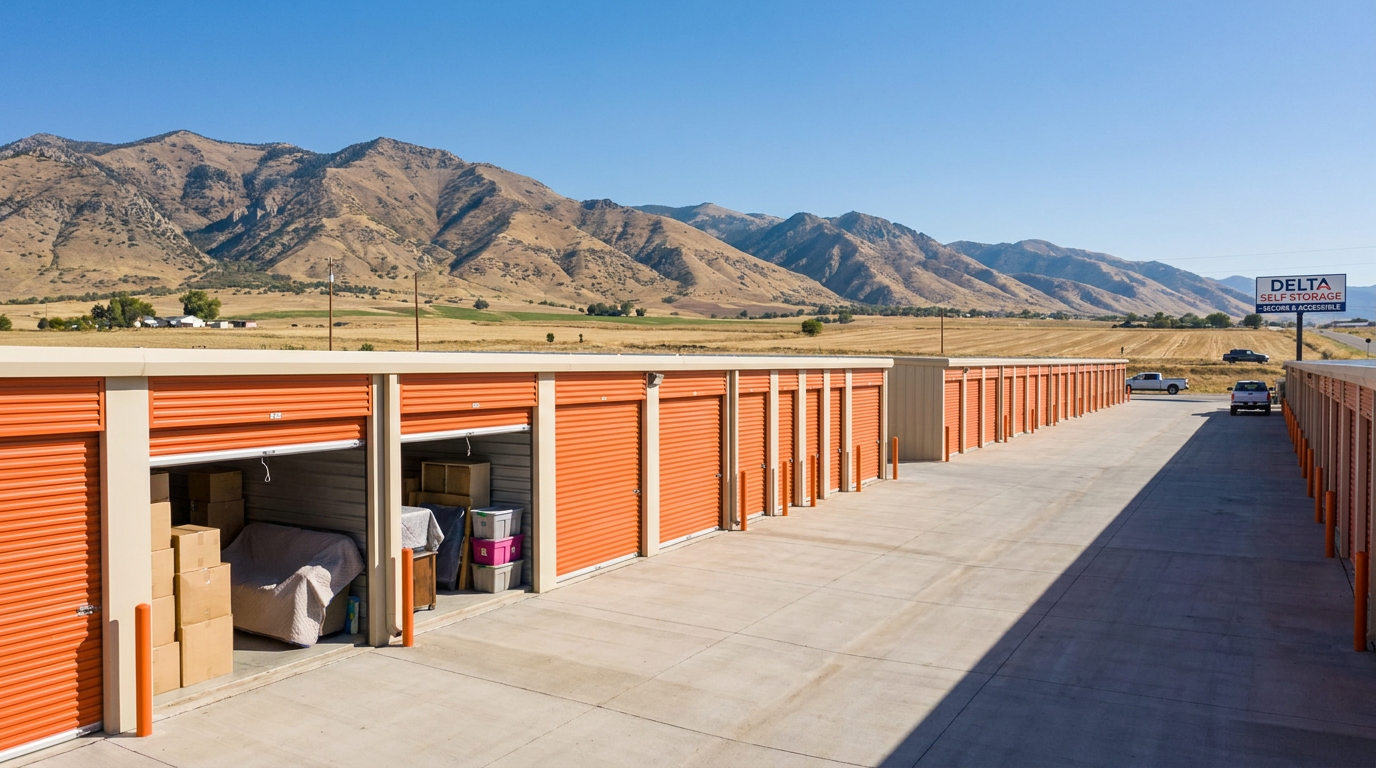
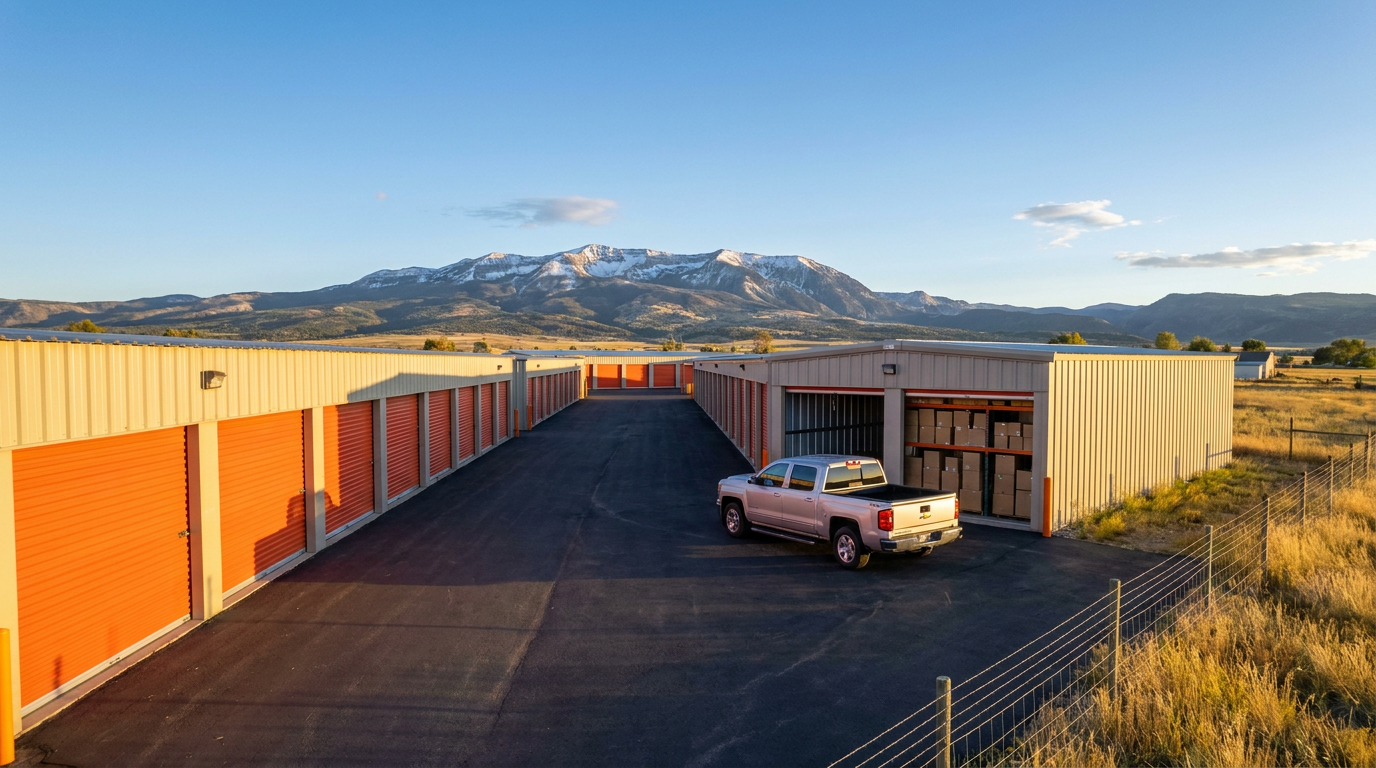
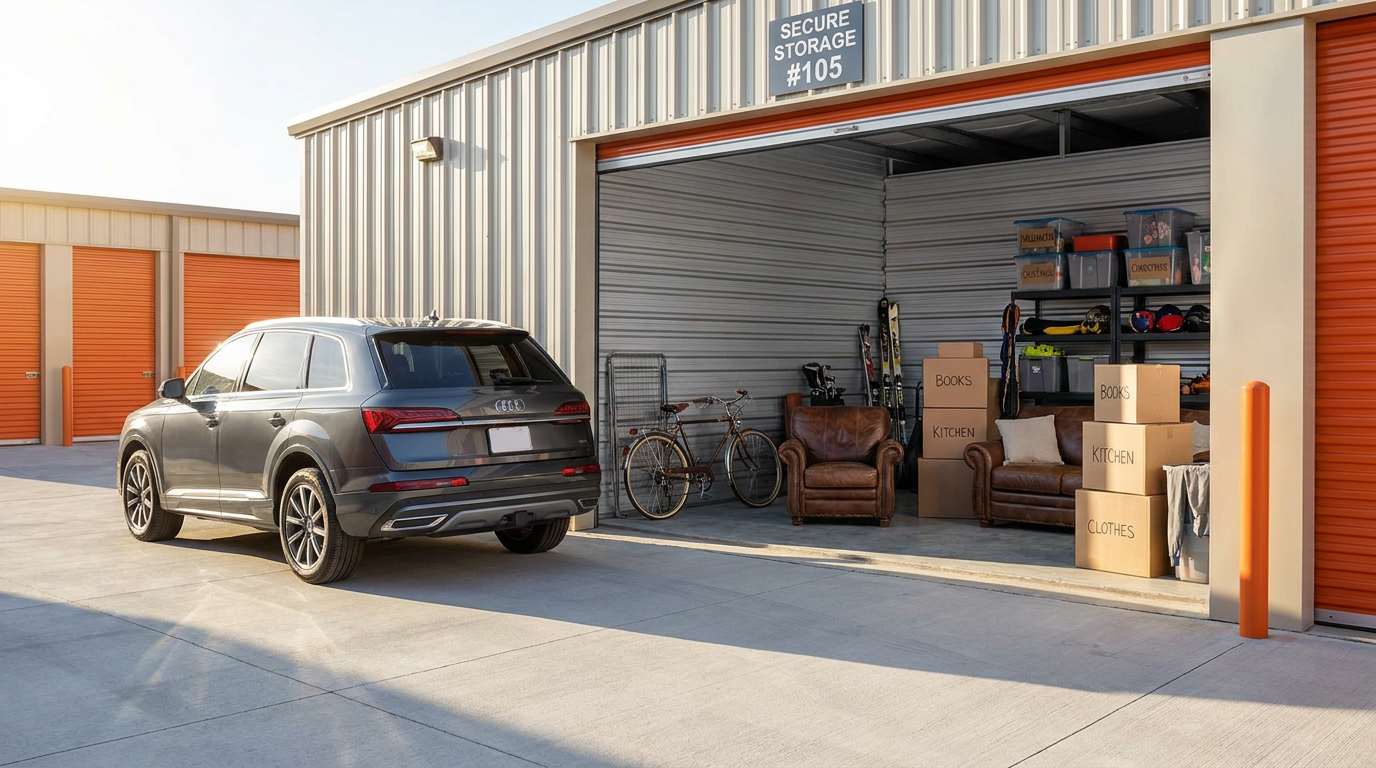
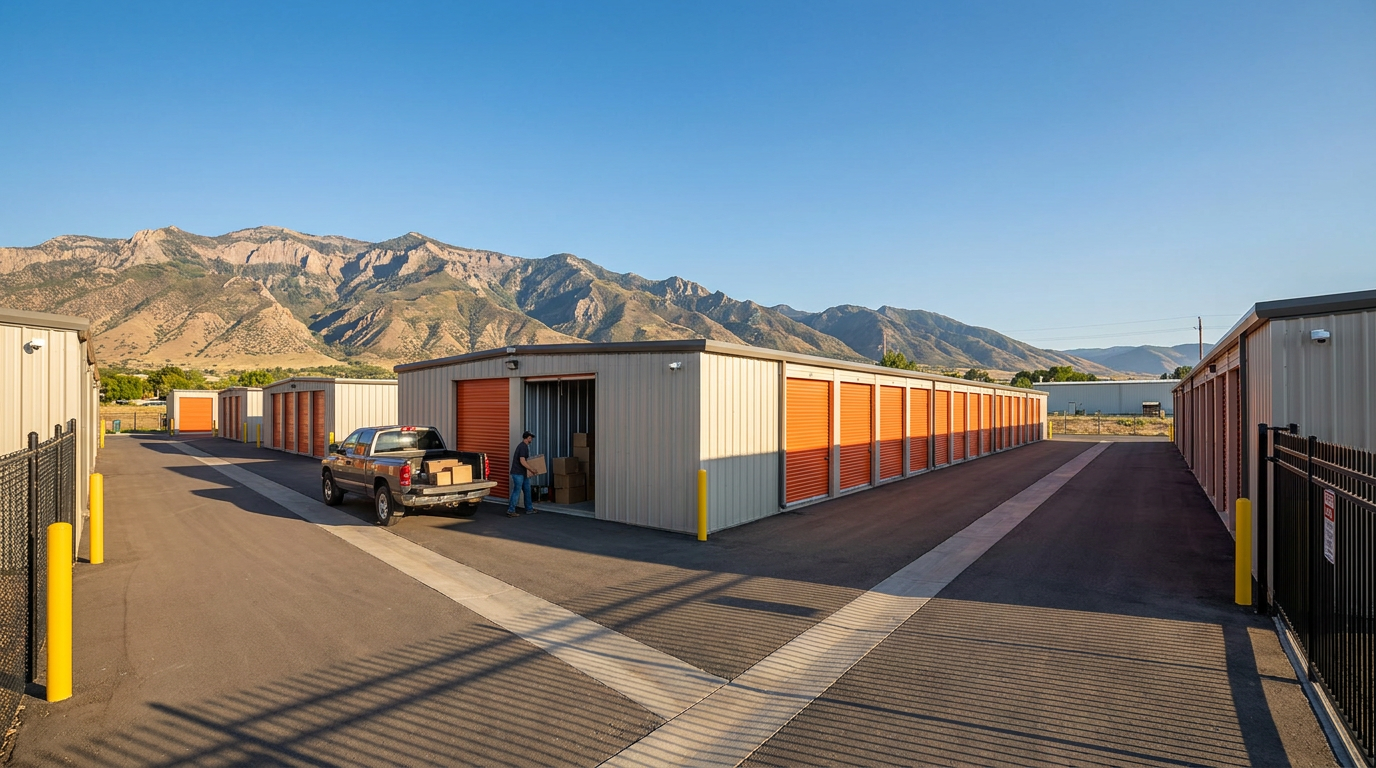
Delta Self Storage offers 8x8 drive-up units at our Palmer Street location for $31.50 per month with current promotional pricing. Drive-up access makes loading and unloading significantly easier, especially when you need to maneuver furniture through the doorway.
Essential Supplies for Maximum Space Efficiency
The right packing supplies make the difference between a disorganized mess and a perfectly optimized unit. Investing $50 to $100 in quality materials saves hours of frustration and protects your belongings from damage during long-term storage.
Boxes and Containers
Uniform box sizes stack more efficiently than random assortments. The National Moving and Storage Association recommends using medium boxes (18x18x16 inches) as your primary container because they hold substantial weight without becoming too heavy to lift. Limit box weight to 50 pounds maximum to prevent crushing and back injuries.
Purchase boxes in three sizes for optimal flexibility. Small boxes (16x12x12 inches) work best for books, tools, and heavy items. Medium boxes handle kitchenware, linens, and general household goods. Large boxes (18x18x24 inches) suit lightweight items like pillows, bedding, and lampshades.
Protective Materials
Gather packing paper, bubble wrap, furniture blankets, and mattress covers before you begin. Furniture blankets cost $8 to $15 each and prevent scratches during stacking. Mattress bags run $10 to $20 and protect against dust, moisture, and pests. Use packing paper rather than newspaper to avoid ink transfer onto fabrics and dishes.
Organization Tools
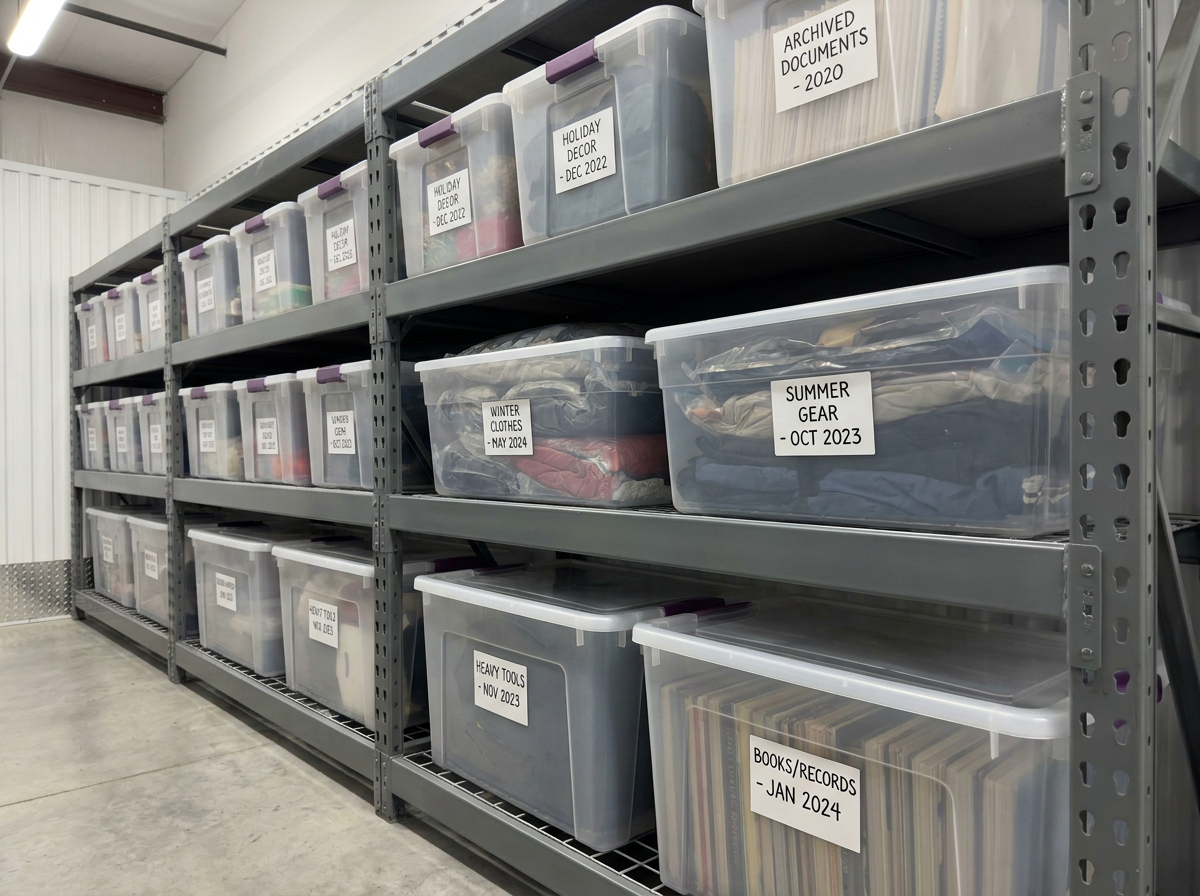
Clear plastic bins allow visibility without opening containers. Colored labels or tape help categorize items by room or priority. Create an inventory spreadsheet listing box numbers and contents; this saves significant time when retrieving specific items later.
| Supply Item | Estimated Cost | Purpose |
|---|---|---|
| Medium boxes (20 pack) | $25 to $40 | Primary storage containers |
| Furniture blankets (4 pack) | $30 to $50 | Scratch and dent prevention |
| Mattress bag | $10 to $20 | Dust and moisture protection |
| Packing tape (6 rolls) | $12 to $18 | Box sealing and labeling |
| Colored labels | $5 to $10 | Category organization |
Step-by-Step Packing Strategy for 8x8 Units
Successful storage unit organization follows a specific loading sequence. Random packing wastes 30 to 40 percent of available space according to professional moving industry estimates. Follow this systematic approach to maximize every cubic foot.
Step 1: Disassemble All Furniture
Take apart bed frames, tables, desks, and shelving units before moving day. A disassembled bed frame occupies 60 percent less space than an assembled one. Remove table legs and store them wrapped together with zip ties. Place all hardware in labeled plastic bags taped directly to the furniture piece.
Couches and sofas often have removable legs and cushions. Standing a sofa on its end saves 4 to 6 square feet of floor space. Wrap upholstered pieces in furniture blankets to prevent fabric damage from adjacent items.
Step 2: Create Your Layout Plan
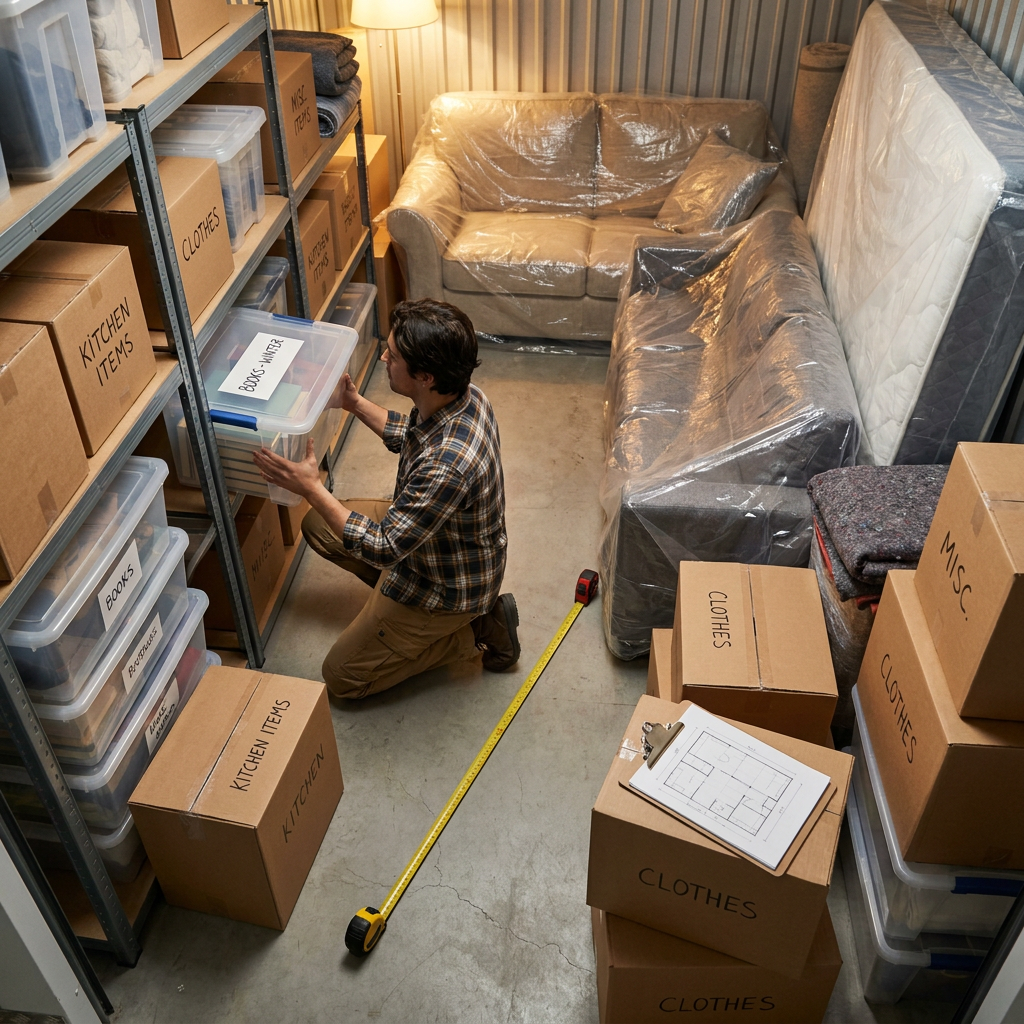
Sketch your unit before loading a single item. The most efficient layout for an 8x8 unit uses a U-shape or horseshoe pattern. Place large items along the back wall and both side walls, leaving a 2-foot wide center aisle that extends from the door to approximately 6 feet deep.
Position your mattress vertically against the back wall. Stand dressers and bookshelves along the side walls. This arrangement creates natural vertical columns for stacking boxes while maintaining access to items throughout the unit.
Step 3: Load Heavy Items First
Begin with the heaviest and largest items at the back of the unit. Appliances like washers, dryers, and refrigerators go against the rear wall. Place dressers, filing cabinets, and heavy furniture along the sides. These items form the foundation for your stacking system.
Never stack heavy items on top of fragile boxes or furniture. The weight distribution should always follow a pyramid pattern: heaviest on bottom, lightest on top. This prevents crushing and makes the unit more stable.
Step 4: Build Vertical Columns
Stack uniform boxes in columns from floor to ceiling. Each column should contain boxes of the same size for stability. Leave 2 to 3 inches between the top box and ceiling for air circulation. Stagger boxes like bricks when mixing sizes, placing larger boxes on bottom.
Use the space above furniture for additional boxes. A dresser top can support 3 to 4 medium boxes. Bookshelves provide natural shelving for smaller containers. This vertical stacking technique effectively doubles your usable space.
Furniture Arrangement Techniques
Furniture placement determines whether your 8x8 unit feels spacious or cramped. Strategic positioning can increase functional storage capacity by 35 to 45 percent compared to random placement.
Mattresses and Box Springs
Store mattresses vertically whenever possible. A queen mattress measures approximately 60x80 inches; standing it on edge uses only 5 square feet of floor space compared to 33 square feet when flat. Use mattress straps or rope to secure it against the wall and prevent bowing.
Place a protective mattress bag over the mattress before storing. This prevents dust accumulation, moisture damage, and pest intrusion. Box springs can lean against the mattress, creating a stable vertical storage system.
Sofas and Chairs
Stand sofas on end with the seat facing the wall. Most standard sofas measure 7 to 8 feet long; standing them vertically reduces floor footprint from 24 square feet to approximately 6 square feet. Wrap the piece in furniture blankets before positioning.
Chairs stack efficiently when turned upside down, seat to seat. This method protects upholstery and creates a stable tower. Place lighter items like lamps or small boxes in the hollow space beneath chair seats.
Tables and Desks
Remove legs from dining tables and desks. Wrap the tabletop in blankets and lean it against a wall. Bundle legs together with packing tape and store them alongside the tabletop. A disassembled dining table occupies 70 percent less space than an assembled one.
Coffee tables and end tables can stack on top of each other. Place furniture pads between pieces to prevent scratching. Utilize the space underneath tables for boxes or smaller furniture items.
Maximizing Vertical Space
Vertical space represents the most underutilized resource in storage units. According to Century Storage, most renters leave 40 percent of vertical space empty. With 8-foot ceilings, you have significant room above standard furniture heights.
Shelving Systems
Freestanding metal shelving units cost $40 to $100 and dramatically increase storage efficiency. Position one or two units along the side walls to create organized vertical storage. Standard shelving holds 200 to 300 pounds per shelf, suitable for boxes and medium-weight items.
Wire shelving from retailers like Home Depot, Costco, or Amazon assembles without tools in 15 to 20 minutes. Choose units at least 6 feet tall to maximize vertical reach. Anchor shelving to the wall or weight the bottom shelf for stability.
Stacking Best Practices
Create stable stacks by placing the largest, heaviest boxes on the bottom. Each subsequent layer should contain equal or smaller boxes. Avoid stacking more than 5 to 6 boxes high without shelving support, as the bottom boxes will eventually crush.
Reinforce box bottoms with extra tape before stacking. The H-tape method, which covers all seams with tape, increases box strength by 30 percent. Never stack boxes against items that could topple, like standing mattresses or leaning furniture.
Utilizing Dead Space Inside Items
Hollow furniture and appliances contain valuable storage space that most people overlook. Filling these voids effectively adds 10 to 15 percent more storage capacity without requiring additional floor space.
Dresser Drawers
Keep dresser drawers full of soft items like clothing, linens, and towels. This protects the contents during transport and eliminates wasted drawer space. Wrap drawer fronts with plastic wrap to prevent them from sliding open during moving.
Remove drawers completely if the dresser needs to fit through a narrow doorway. Stack drawers separately and reinstall them once the dresser is positioned in the unit.
Appliances
Refrigerators, washers, and dryers contain significant hollow space. Store lightweight items like pillows, blankets, and soft goods inside appliance drums and compartments. Prop refrigerator doors slightly open with a rolled towel to prevent mold and mildew growth.
Clean all appliances thoroughly before storage. Even small amounts of moisture or food residue can cause odors and attract pests over time. Leave washer doors open and wipe down interiors with a mild bleach solution.
Luggage and Bins
Pack suitcases, duffel bags, and storage bins completely full. Nested items waste space; filled containers maximize every cubic inch. Store smaller bags inside larger suitcases to consolidate luggage storage.
Organization and Labeling Systems
A well-organized storage unit saves hours of searching when you need to retrieve items. According to Prime Storage, proper labeling reduces retrieval time by 60 to 70 percent compared to unlabeled units.
Color-Coded Categories
Assign colors to different categories: red for kitchen items, blue for bedroom, green for seasonal decorations, yellow for documents. Apply colored tape or labels to all four sides of each box so categories remain visible regardless of box orientation.
Create a master list matching colors to categories and post it inside your unit door. This reference guide helps anyone accessing the unit, including family members or movers.
Detailed Inventory Lists
Number each box and create a corresponding inventory spreadsheet. List general contents rather than every individual item: "Kitchen: pots, pans, utensils, small appliances" provides sufficient detail for retrieval purposes. Store a printed copy in your unit and keep a digital backup.
Photograph valuable items before packing. These images serve as documentation for insurance purposes and help you remember exactly what you stored. Include serial numbers for electronics and detailed shots of antiques or collectibles.
Access Priority Zones
Divide your unit into three zones based on access frequency. Zone A, nearest the door, contains items you may need within the next 1 to 3 months. Zone B, in the middle, holds items needed seasonally. Zone C, at the back, stores long-term items you will not access until move-out.
Place holiday decorations in Zone B for easy seasonal access. Keep important documents and emergency supplies in Zone A. Position furniture and rarely-used items in Zone C against the back wall.
What Fits in an 8x8 Storage Unit
Understanding capacity helps you determine whether an 8x8 unit meets your needs or whether you should consider a larger size. Our storage unit size guide provides detailed comparisons across all available unit dimensions.
Typical Contents List
An efficiently packed 8x8 unit accommodates the contents of a studio apartment or large dorm room. Expect to fit one queen or full mattress set, a small sofa or loveseat, one dresser, a small dining set, 10 to 20 medium boxes, and miscellaneous small items.
Business users can store approximately 50 to 75 file boxes, a desk, an office chair, and small equipment. Seasonal storage works well for holiday decorations, sporting equipment, patio furniture, and 2 to 3 bicycles.
| Item Category | Quantity That Fits | Space-Saving Tips |
|---|---|---|
| Mattress set | 1 queen or full | Store vertically against wall |
| Sofa | 1 loveseat or small sofa | Stand on end, remove legs |
| Dresser | 1 to 2 units | Keep drawers full of soft items |
| Medium boxes | 15 to 25 boxes | Stack in uniform columns |
| Dining table | 1 small table | Remove legs, lean against wall |
| Bicycles | 2 to 3 bikes | Hang from ceiling hooks |
When to Consider Upsizing
If your inventory exceeds the typical capacity, consider upgrading to a 10x10 unit. The additional 36 square feet provides room for a full one-bedroom apartment or small two-bedroom home contents. Delta Self Storage offers 10x10 units at our Palmer Street location for $49.50 per month with current promotions.
Signs you need a larger unit include: more than 25 boxes, multiple large furniture pieces, or appliances beyond a single washer/dryer set. Overcrowding an 8x8 unit makes access difficult and increases the risk of damage to your belongings.
Protecting Items in Non-Climate-Controlled Units
Outdoor drive-up units like those at Delta Self Storage are not climate controlled. Temperature fluctuations in Delta, Colorado can range from below 0 degrees Fahrenheit in winter to above 95 degrees in summer. Proper preparation protects your belongings from these extremes.
Temperature-Sensitive Items
Avoid storing items that suffer damage from temperature changes in non-climate-controlled units. Electronics, vinyl records, photographs, candles, and certain cosmetics can warp, melt, or degrade. Wooden furniture may crack or warp with significant temperature swings.
If you must store temperature-sensitive items, use insulated covers and desiccant packets to moderate conditions. Place items away from exterior walls where temperature variation is greatest. Consider climate-controlled options for valuable electronics or irreplaceable items.
Moisture Prevention
Place pallets or 2x4 lumber on the floor to elevate items above potential moisture. This air gap prevents condensation damage and allows airflow beneath your belongings. Avoid cardboard boxes directly on concrete floors.
Use moisture-absorbing products like silica gel packets, DampRid containers, or charcoal briquettes throughout your unit. One DampRid container per 100 square feet provides adequate moisture control. Replace absorbers every 4 to 6 weeks during humid seasons.
Pest Prevention
Clean all items thoroughly before storing. Food residue, crumbs, and organic matter attract rodents and insects. Wrap upholstered furniture in plastic or furniture blankets to deter pests from nesting.
Avoid storing food, pet food, or scented items in your unit. Even sealed containers can attract pests with residual odors. Use cedar blocks or lavender sachets as natural pest deterrents in boxes containing fabrics.
Common Mistakes That Waste Space
Learning from common errors helps you avoid wasting valuable storage space. According to Load and Geaux, these mistakes account for 25 to 35 percent of lost space in typical storage units.
Using Random Box Sizes
Mismatched boxes create gaps and unstable stacks. A collection of random boxes from liquor stores and grocery runs wastes 20 to 30 percent of potential stacking space. Invest in uniform boxes for efficient, stable columns that maximize vertical space.
Leaving Furniture Assembled
Assembled furniture occupies 40 to 60 percent more space than disassembled pieces. A bed frame, dining table, and desk left intact can consume half your unit's floor space. Spend 30 to 60 minutes disassembling before moving day.
Blocking Access
Packing items tightly against the door prevents access to anything behind the first row. Always maintain a center aisle extending at least 4 to 6 feet into the unit. This access path allows you to reach seasonal items, important documents, or frequently needed belongings.
Ignoring Vertical Space
Stopping stacks at eye level wastes 3 to 4 feet of vertical space. With 8-foot ceilings, you can safely stack to 7 feet using proper techniques. Shelving units and careful box placement unlock this unused volume.
Frequently Asked Questions
How do I maximize space in my storage unit?
Maximize space by using uniform box sizes, disassembling all furniture, stacking vertically to ceiling height, and filling hollow spaces inside dressers and appliances. Create a U-shaped layout with items along three walls and a center aisle for access. Use shelving units to organize boxes and prevent crushing. Label everything clearly and maintain an inventory list for efficient retrieval.
How do I get into my extra space storage unit?
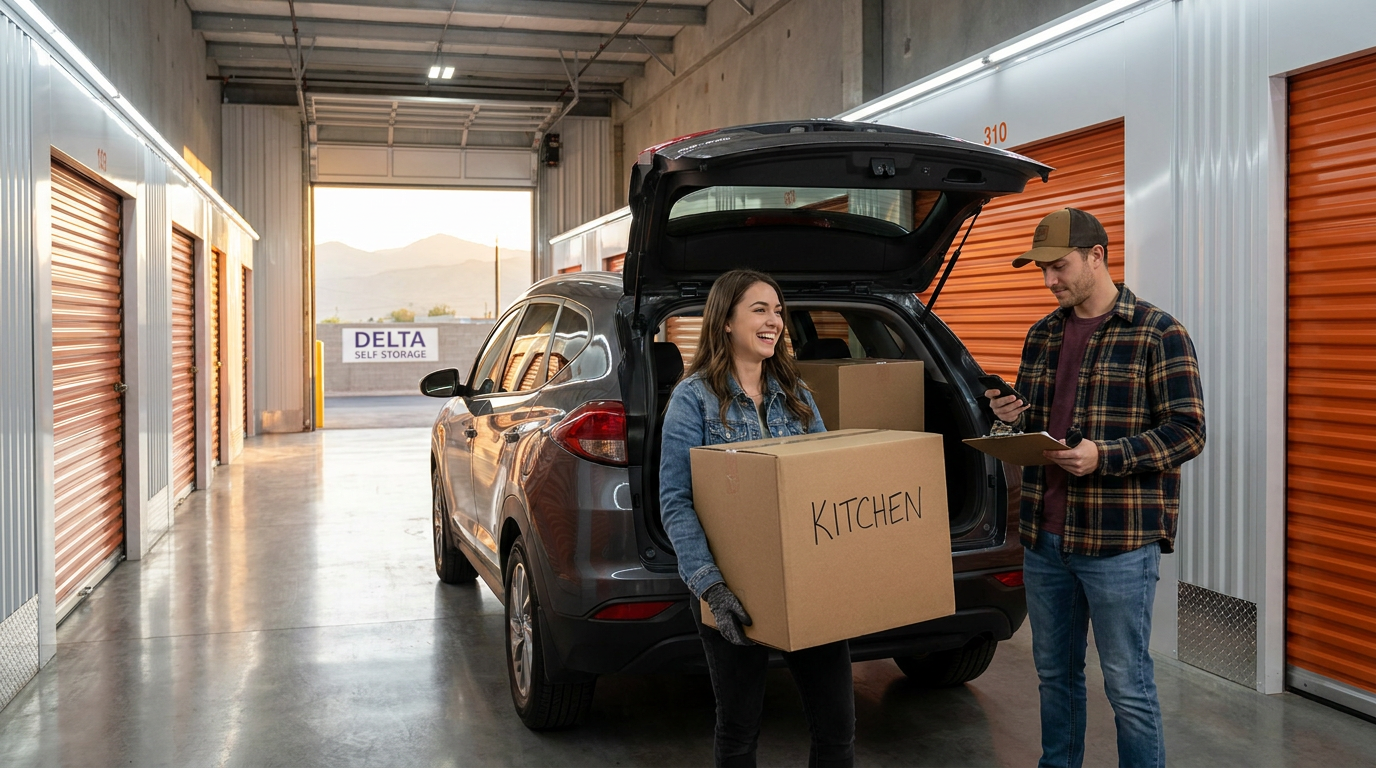
Access procedures vary by facility. At Delta Self Storage, renters receive a personal access code for the gate and can enter their unit 24 hours a day, 7 days a week. Drive-up units allow you to pull your vehicle directly to the door for convenient loading and unloading. Check our frequently asked questions page for specific access details.
Can I upsize my storage unit?
Yes, most storage facilities allow unit size changes based on availability. At Delta Self Storage, you can request a larger unit by contacting our team at (970) 325-5750. We offer sizes ranging from 4x15 (60 square feet) to 10x30 (300 square feet) at our two Delta, Colorado locations. Month-to-month rentals provide flexibility to change sizes as your needs evolve.
How to maximize storage in small spaces?
Small space storage requires vertical thinking. Install shelving units along walls to create multiple storage levels. Use uniform containers that stack efficiently. Store items vertically whenever possible: mattresses on edge, sofas on end, tables against walls. Fill every hollow space inside furniture and appliances. Create zones based on access frequency, keeping rarely-used items in back corners.
Local Storage Solutions on the Western Slope
Delta Self Storage serves residents throughout Delta County, Montrose County, and the surrounding Western Slope communities. Whether you live in Delta, Montrose, Cedaredge, Hotchkiss, Paonia, or commute from Telluride or Grand Junction, our two convenient locations provide accessible storage options.
Our Highway 50 location offers easy access for travelers along the main corridor. The Palmer Street facility sits in central Delta for quick trips from residential neighborhoods. Both locations feature drive-up access, 24/7 entry, and bright LED lighting for security.
As a locally owned and operated company, we understand the storage needs of Western Slope residents. From seasonal recreation gear to business inventory, our team provides personalized service 7 days a week by phone, text, or email.
|