What Can You Store in a Drive-Up Storage Unit? Complete Guide
D
rive-up storage units accommodate furniture, appliances, boxes, tools, seasonal items, sports equipment, business inventory, and vehicles. Most facilities allow anything that is not hazardous, perishable, alive, or illegal. The key advantage of drive-up access is the ability to load and unload heavy or bulky items directly from your vehicle without navigating hallways or elevators.
Common Items Perfect for Drive-Up Storage Units
Drive-up storage units excel at housing items that are heavy, bulky, or accessed frequently. According to the Self Storage Association, over 10% of American households rent storage units, with furniture and household goods representing the largest category of stored items. The ground-level access and wide door openings (typically 8 to 10 feet) make these units ideal for items that would be difficult to carry through indoor hallways.
Furniture and Large Household Items
Couches, dining tables, dressers, bed frames, mattresses, and bookshelves fit comfortably in drive-up units. A 10x10 unit (100 square feet) holds the contents of a typical one-bedroom apartment, including a sofa, queen mattress set, dining table with chairs, and approximately 20 medium boxes. Larger units at 10x30 feet accommodate furniture from a four to five bedroom home.
When storing upholstered furniture, use breathable fabric covers rather than plastic wrap to prevent moisture buildup. Position sofas and mattresses on pallets or furniture risers to keep them off the concrete floor, which can transfer moisture during temperature fluctuations.
Appliances and Electronics
Refrigerators, washers, dryers, microwaves, and dishwashers store safely in drive-up units when properly prepared. Clean and completely dry all appliances before storage. Leave refrigerator and freezer doors slightly ajar to prevent mold growth. Wrap cords securely to avoid damage and tripping hazards.
Electronics like televisions, computers, and stereo equipment can be stored but require extra protection. Original packaging provides the best protection; otherwise, use anti-static bubble wrap and sturdy boxes. In non-climate-controlled units, temperature swings between 20 and 100 degrees Fahrenheit can damage circuit boards and screens over extended periods.
Seasonal and Recreational Gear
Holiday decorations, camping equipment, skiing and snowboarding gear, kayaks, bicycles, lawn care equipment, and patio furniture are excellent candidates for drive-up storage. These items typically withstand temperature variations and benefit from the easy loading access that drive-up units provide.
Western Slope residents in Delta, Montrose, and surrounding Colorado communities commonly store skis, snowboards, fishing gear, and camping equipment during off-seasons. A 4x15 unit (60 square feet) holds multiple sets of skis, a kayak, several bicycles, and seasonal decorations without crowding.
Tools and Equipment
Hand tools, power tools, lawn mowers, snow blowers, pressure washers, and contractor supplies thrive in drive-up units. Metal tools resist temperature fluctuations better than electronics or fabrics. Store gasoline-powered equipment with empty fuel tanks to prevent fire hazards and comply with facility rules.
Business owners and contractors frequently use drive-up units for equipment staging. The ability to pull a truck directly to the unit door saves significant time when loading and unloading heavy equipment like table saws, air compressors, and scaffolding materials.
Business Inventory and Supplies
Retail merchandise, office furniture, files, marketing materials, and e-commerce inventory store efficiently in drive-up units. According to Extra Space Storage, small businesses represent a growing segment of storage unit renters, with many using drive-up access for daily inventory management.
A 10x30 unit with dual side access allows forklift entry for pallet storage, making it practical for businesses managing significant inventory volumes. Month-to-month leases provide flexibility for seasonal businesses that need to scale storage capacity throughout the year.
What You Cannot Store in a Drive-Up Unit
Storage facilities universally prohibit certain categories of items for safety, legal, and practical reasons. Violating these rules can result in immediate lease termination, fines, and potential legal liability. According to SpareFoot, the most common violations involve hazardous materials and perishable items.
Always review your specific facility's rental agreement before storing items. Some facilities have additional restrictions on tires, vehicle parts, and commercial goods. Check our frequently asked questions
for details on what Delta Self Storage permits.
Drive-Up Storage vs. Indoor Storage: Which Is Better?
The choice between drive-up and indoor storage depends on what you are storing, how often you need access, and your budget. Each option offers distinct advantages for different use cases.
Drive-up units are the better choice when you need to store heavy furniture, lawn equipment, vehicles, or items you access weekly. Indoor climate-controlled units make more sense for wine collections, important documents, musical instruments, and items stored longer than six months in extreme climates.
How Drive-Up Storage Units Work
Drive-up storage units function like personal garages arranged in rows with wide drivable aisles between them. You drive your vehicle directly to your unit door, which typically rolls up like a garage door. This design eliminates the need to carry items long distances or navigate stairs and elevators.
Most facilities provide 24-hour access through electronic gate codes, allowing you to visit your unit whenever convenient. At Delta Self Storage, both the Palmer Street
and Highway 50
locations offer round-the-clock access with bright LED lighting for safe nighttime visits.
The rental process has become streamlined through online platforms. Many facilities, including Delta Self Storage, allow you to rent a unit online in 60 seconds
with immediate move-in capability. Month-to-month leases provide flexibility without long-term commitments.
Choosing the Right Size Drive-Up Unit
Unit sizes range from small (4x15 feet, 60 square feet) to large (10x30 feet, 300 square feet). Selecting the right size prevents paying for unused space while ensuring everything fits comfortably with room to access items in the back.
Small units (60 to 80 square feet)
hold boxes, seasonal decorations, small furniture pieces, and personal belongings equivalent to a large closet. These work well for students, apartment dwellers, and those storing seasonal items only.
Medium units (100 to 120 square feet)
accommodate the contents of a one to two bedroom home, including sofas, mattress sets, dining tables, dressers, and 20 to 30 boxes. This size is popular for people between moves or renovating their homes.
Large units (200 to 300 square feet)
hold contents of a four to five bedroom home, multiple vehicles, or significant business inventory. Units with dual side access allow easier organization and retrieval of items stored deep inside.
Use our storage unit size guide
to determine exactly what size fits your needs. When in doubt, choose one size larger to allow walking space and easier access to items in the back of the unit.
Packing Tips for Drive-Up Storage Success
Proper packing extends the lifespan of stored items and makes retrieval easier. Because drive-up units are exposed to outdoor temperature swings, protective measures matter more than with climate-controlled indoor storage.
Use plastic bins instead of cardboard boxes
for items sensitive to humidity. Cardboard absorbs moisture and can transfer it to contents. Clear plastic bins also allow you to see contents without opening each container.
Elevate items off the concrete floor
using pallets, shelving, or furniture risers. Concrete can transfer moisture during temperature changes, potentially damaging items in direct contact with the floor.
Cover furniture with breathable fabric
rather than plastic sheeting. Plastic traps moisture and promotes mold growth on upholstered items. Cotton drop cloths or moving blankets provide dust protection while allowing air circulation.
Create an aisle down the center
of your unit for access to items stored in the back. Place frequently needed items near the front door. Label all boxes on multiple sides so you can identify contents regardless of how they are stacked.
Disassemble furniture when possible
to maximize space efficiency. Remove table legs, bed frames, and shelving units. Keep hardware in labeled bags taped to the corresponding furniture piece.
Local Storage Needs on Colorado's Western Slope
Residents of Delta County, Montrose County, and surrounding Western Slope communities have unique storage needs shaped by the region's outdoor lifestyle and seasonal climate variations. Drive-up units serve these needs particularly well.
Ranchers and agricultural workers store irrigation equipment, fencing materials, and seasonal tools. Outdoor enthusiasts from Telluride to Grand Junction use drive-up units for skiing gear in summer and camping equipment in winter. Business owners in Cedaredge, Hotchkiss, and Paonia store inventory overflow and contractor supplies.
The Western Slope's temperature range, from below freezing in winter to over 90 degrees in summer, makes item selection important. Metal tools, outdoor furniture, and sporting equipment handle these swings well. Sensitive electronics and important documents may benefit from additional protective measures or indoor climate-controlled options.
Delta Self Storage serves this regional community from two convenient locations in Delta, Colorado. As a locally owned and operated company, we understand the specific storage needs of Western Slope residents and businesses.
Frequently Asked Questions
What are the cons of drive-up storage units?
Drive-up units expose contents to greater temperature fluctuations than indoor units, ranging from below freezing to over 100 degrees depending on location and season. This makes them unsuitable for temperature-sensitive items like wine, certain electronics, and important documents stored long-term. Units may also be more exposed to dust and outdoor debris entering through door seals.
What items cannot be stored in a storage unit?
All storage facilities prohibit hazardous materials (gasoline, propane, chemicals, explosives), perishable food, live animals, plants, illegal items, and stolen property. Many facilities also restrict firearms, ammunition, and certain vehicle parts. Always review your rental agreement for facility-specific restrictions before storing items.
How does a drive-in storage unit work?
Drive-up storage units are ground-level units arranged in rows with wide driveways between them. You receive a gate access code and unit key or lock. Drive your vehicle directly to your unit door, which rolls up like a garage door. Load or unload items directly from your vehicle without navigating stairs, elevators, or hallways. Access is typically available 24 hours a day, 7 days a week.
Which is not allowed in storage?
Flammable liquids, compressed gases, corrosive chemicals, and explosive materials are never allowed in storage units. Perishable food items attract pests and create health hazards. Living creatures, including pets and plants, cannot be stored due to inhumane conditions and legal restrictions. Any illegal items or stolen property are prohibited and may result in law enforcement involvement.
Can I store a mattress or sofa in a drive-up storage unit?
Yes, mattresses and sofas store safely in drive-up units with proper preparation. Use mattress bags or breathable covers to protect against dust and moisture. Place items on pallets or risers to prevent direct contact with concrete floors. For storage exceeding six months, consider a climate-controlled unit to prevent mold growth and fabric deterioration.
Are drive-up storage units safe for long-term storage?
Drive-up units work well for long-term storage of durable items like metal tools, outdoor furniture, and sporting equipment. Items sensitive to temperature and humidity, such as wooden antiques, leather furniture, and electronics, may require additional protection or climate-controlled alternatives for storage exceeding six months. Proper packing with moisture barriers and elevation significantly improves long-term storage outcomes.
Can businesses store inventory in a drive-up storage unit?
Yes, businesses commonly use drive-up units for inventory storage, equipment staging, and document archiving. The easy loading access makes drive-up units particularly practical for businesses that need frequent inventory access. Large units with dual side access can accommodate forklifts for pallet storage. Month-to-month leases provide flexibility for businesses with seasonal inventory fluctuations.

Find the right storage unit size in Delta, CO. Compare 60-300 sq ft options, features like drive-up access, and prices starting at $45/month.

Find storage units near Delta, CO starting at $45/month. Learn unit sizes, pricing, access hours, and what to check before signing a rental agreement.

Rent a storage unit in Delta, CO in 60 seconds online. Learn unit sizes, costs from $45/month, lease terms, and move-in steps at two local facilities.

Compare outdoor, covered, and enclosed vehicle and trailer storage options. Learn costs, protection levels, and which type fits your RV, boat, or trailer.

Learn proven strategies to maximize your 8x8 storage unit space. Get expert packing tips, organization methods, and layout plans to fit more in 64 sq ft.
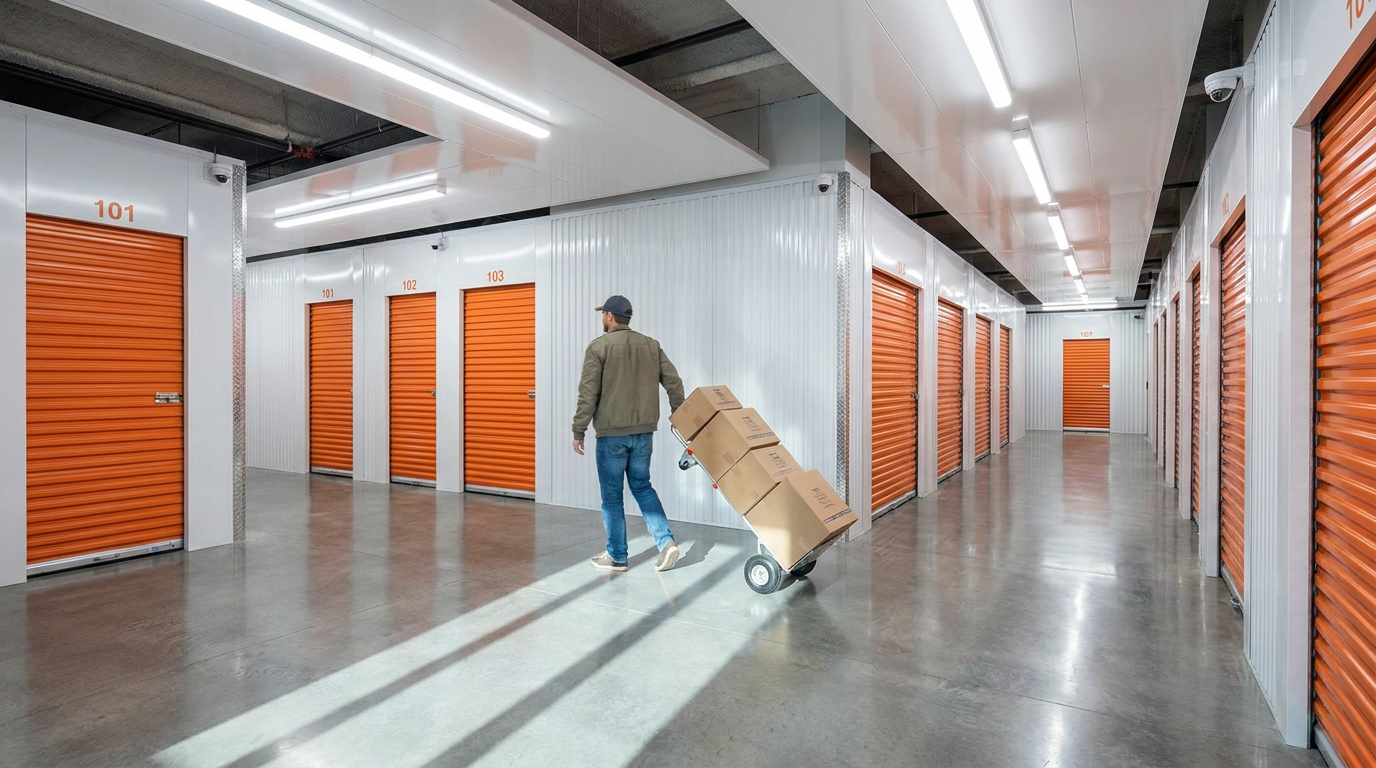
What self storage costs in 2026 - typical monthly ranges by unit size, what drives rates, and Delta, CO context for Highway 50 and Palmer Street. From Delta Self Storage.

Car storage costs $45-$450/month and RV storage runs $50-$500/month depending on type. Compare outdoor, covered, and enclosed options with real pricing.

Learn exactly what storage unit size fits your furniture. Compare 5x5 to 10x30 units with specific dimensions, capacity charts, and expert sizing tips.

Learn how to choose the right storage unit size with our complete guide. Covers unit dimensions from 5x5 to 10x30, what fits, and sizing tips for your needs.

Find the right storage unit in Delta, CO. Compare sizes from 60 to 300 sq ft, features like drive-up access and 24/7 entry, plus current pricing from $45/month.