Outdoor vs Covered vs Enclosed Vehicle Storage: Full Comparison |
| VEHICLE AND TRAILER STORAGE: OUTDOOR VS COVERED VS ENCLOSED COMPARISON
⏱ 14 min read ·
📄 #2,612 words
Compare outdoor, covered, and enclosed vehicle and trailer storage options. Learn costs, protection levels, and which type fits your RV, boat, or trailer.
|
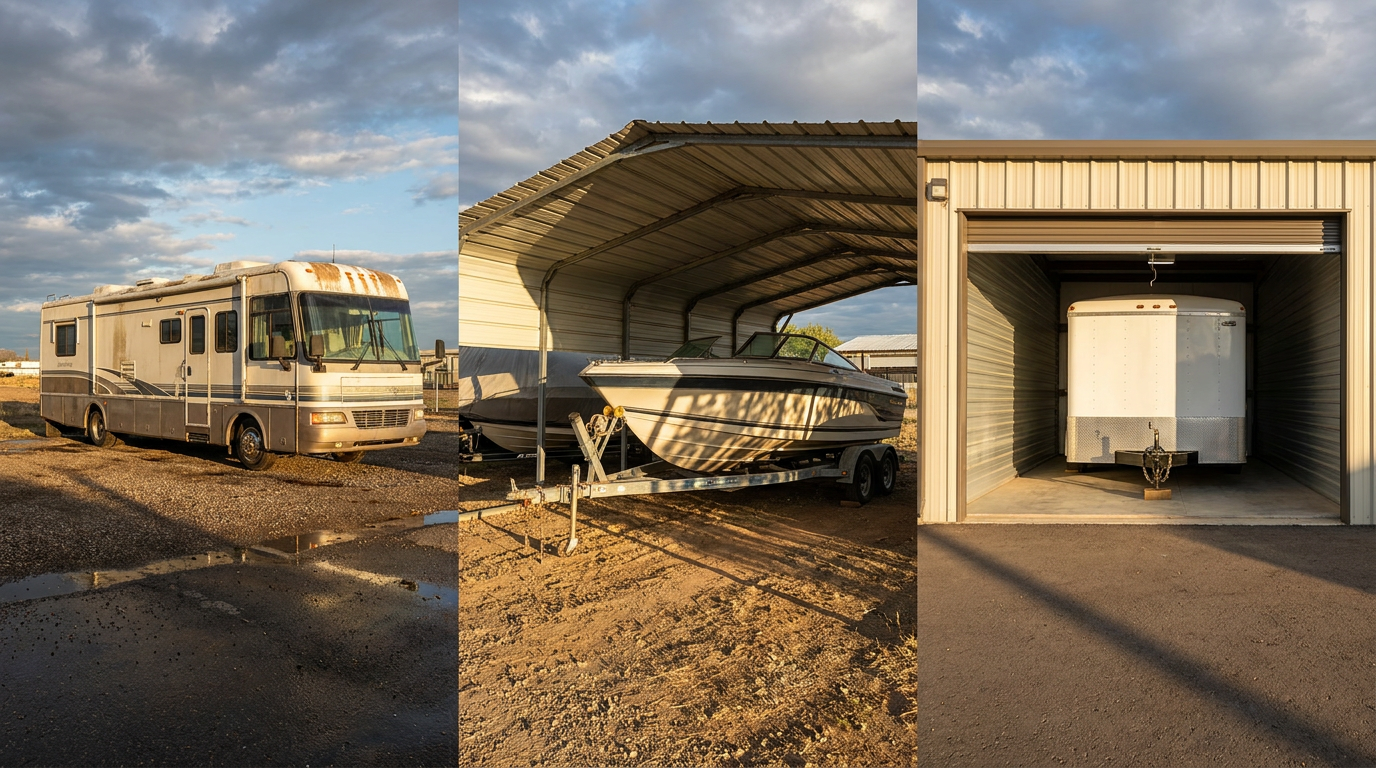
O utdoor storage costs $30 to $80 per month and offers basic protection, covered storage runs $75 to $150 monthly with overhead shelter from sun and rain, and enclosed storage provides full climate and security protection for $150 to $450 per month. Your choice depends on vehicle value, local weather conditions, and storage duration.
| Key Points: | |
|---|---|
| • | Outdoor storage suits frequently used vehicles and costs 50 to 70 percent less than enclosed options |
| • | Covered storage blocks UV damage and precipitation while maintaining easy access for $75 to $150 monthly |
| • | Enclosed storage protects against theft, weather extremes, and maintains stable temperatures between 55 and 80 degrees Fahrenheit |
| • | Western Slope Colorado climates with intense sun, hail, and temperature swings favor covered or enclosed storage for long-term parking |
| • | A 20-foot trailer typically requires a 10x25 or 10x30 space, costing $100 to $300 monthly depending on protection level |
Understanding the Three Main Vehicle Storage Types
Self-storage facilities across the United States offer three primary options for vehicles and trailers: outdoor (uncovered), covered, and enclosed. According to the Extra Space Storage comparison guide, each type serves different needs based on budget, vehicle value, and how long you plan to store.
The Self Storage Association reports that vehicle storage demand has increased 23 percent since 2020, driven by RV purchases during the pandemic and limited residential parking in growing communities. Delta County and Montrose County residents face unique storage challenges due to high-altitude sun exposure, winter snow, and summer hail storms common to the Western Slope.
Choosing incorrectly can lead to thousands of dollars in preventable damage. UV rays degrade rubber seals and fade paint within 12 to 18 months of continuous exposure. Hail damage averages $2,500 per incident for RVs and trailers, according to the Insurance Institute for Highway Safety.
Outdoor Vehicle Storage: Budget-Friendly Basics
Outdoor storage provides an uncovered parking space within a fenced, secured facility. You drive in, park your vehicle or trailer, and leave it exposed to the elements. This option works best for owners who access their vehicles frequently, typically weekly or bi-weekly.
Monthly costs for outdoor vehicle storage range from $30 to $80 for standard parking spots. Larger spaces accommodating Class A motorhomes or fifth-wheel trailers run $60 to $120 monthly. These prices represent 50 to 70 percent savings compared to enclosed alternatives.
Best Uses for Outdoor Storage
Outdoor storage makes sense for work trailers accessed daily, utility trailers used multiple times per week, and vehicles with high-quality covers already in place. Contractors storing equipment trailers in Delta, Montrose, or Cedaredge often prefer outdoor options for quick access and lower overhead.
Seasonal storage lasting less than three months poses minimal risk with outdoor parking, especially during mild spring and fall weather. However, the Neighbor storage platform research indicates that vehicles stored outdoors for more than six months show measurable deterioration in tire condition, exterior finish, and rubber components.
Outdoor Storage Drawbacks
Sun exposure remains the primary concern. Colorado receives 300 days of sunshine annually, and high-altitude UV intensity accelerates paint oxidation, dashboard cracking, and tire sidewall degradation. Hail storms between May and August can strike without warning, leaving dents and broken windows.
Security limitations also apply. While facilities provide perimeter fencing and gate access, outdoor vehicles remain visible and accessible to anyone within the property. Theft of catalytic converters, batteries, and trailer components has increased 35 percent nationally since 2021, per the National Insurance Crime Bureau.
Covered Vehicle Storage: The Middle Ground
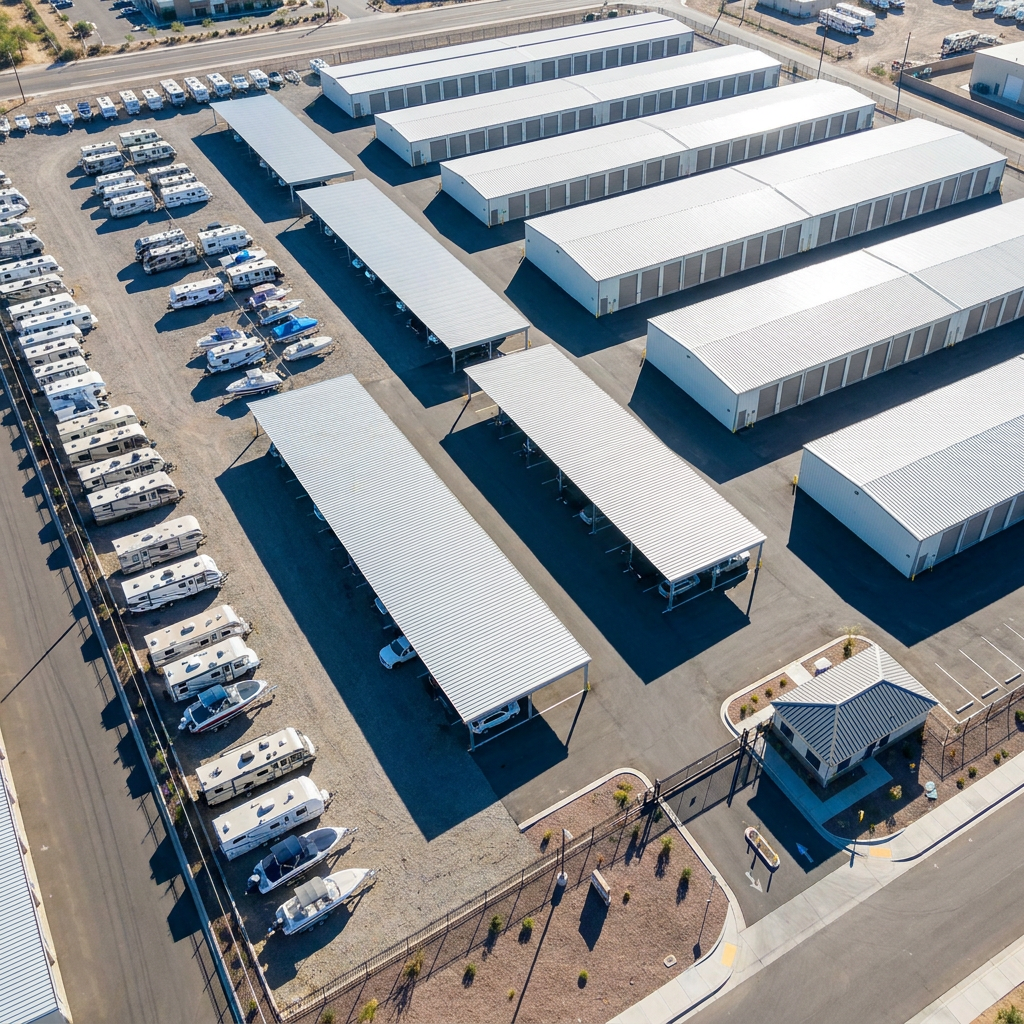
Covered storage provides a roof structure over your parking space while leaving sides open. Think of a carport: protection from direct sun and falling precipitation without full enclosure. This option balances cost and protection effectively for most recreational vehicles and trailers.
Expect to pay $75 to $150 monthly for covered vehicle storage spaces. Pricing varies based on ceiling height (important for tall RVs and fifth wheels), space length, and local market demand. The Storage Star facility guide notes that covered spaces often sell out faster than outdoor spots due to their value proposition.
Protection Benefits of Covered Storage
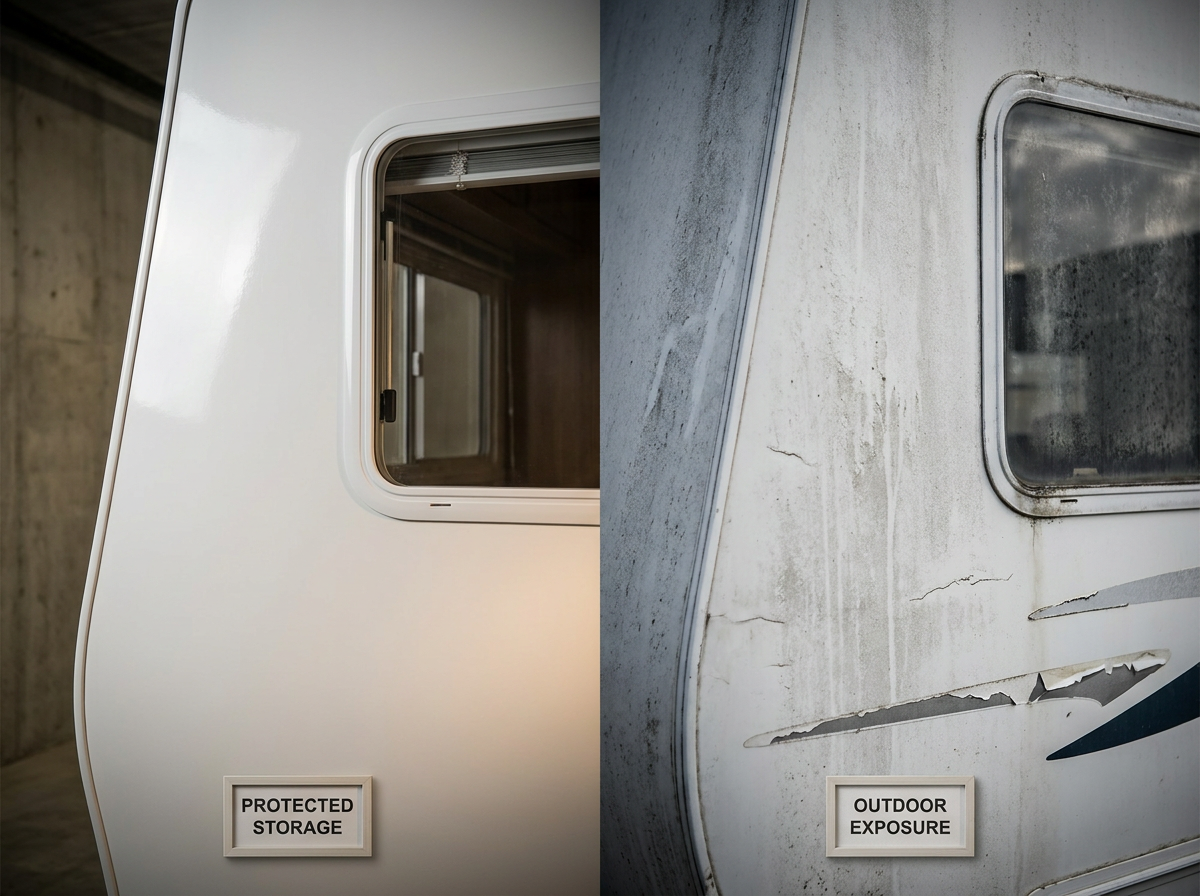
Roof coverage blocks 95 percent of UV radiation, dramatically extending the life of exterior finishes, rubber seals, and roof membranes. RV roofs, particularly those with rubber EPDM or TPO materials, can last 15 to 20 years under cover versus 8 to 12 years with full sun exposure.
Rain and snow protection prevents water intrusion through aging seals and keeps vehicles cleaner between uses. Hail protection depends on roof construction; metal roofs deflect most hailstones under 1 inch in diameter, while larger storms may still cause damage to exposed sides.
Temperature moderation offers another advantage. Covered spaces stay 10 to 20 degrees cooler than direct sun exposure during summer months. This reduces interior heat buildup that damages electronics, upholstery, and stored supplies inside RVs and enclosed trailers.
Covered Storage Limitations
Open sides leave vehicles vulnerable to wind-driven rain, blowing dust, and horizontal hail. Colorado's Western Slope experiences significant wind events, particularly during spring months when gusts exceed 50 mph regularly.
Security remains similar to outdoor storage since vehicles stay visible and accessible. Covered structures do not prevent theft attempts or vandalism, though the presence of a roof may deter some opportunistic criminals.
Enclosed Vehicle Storage: Maximum Protection
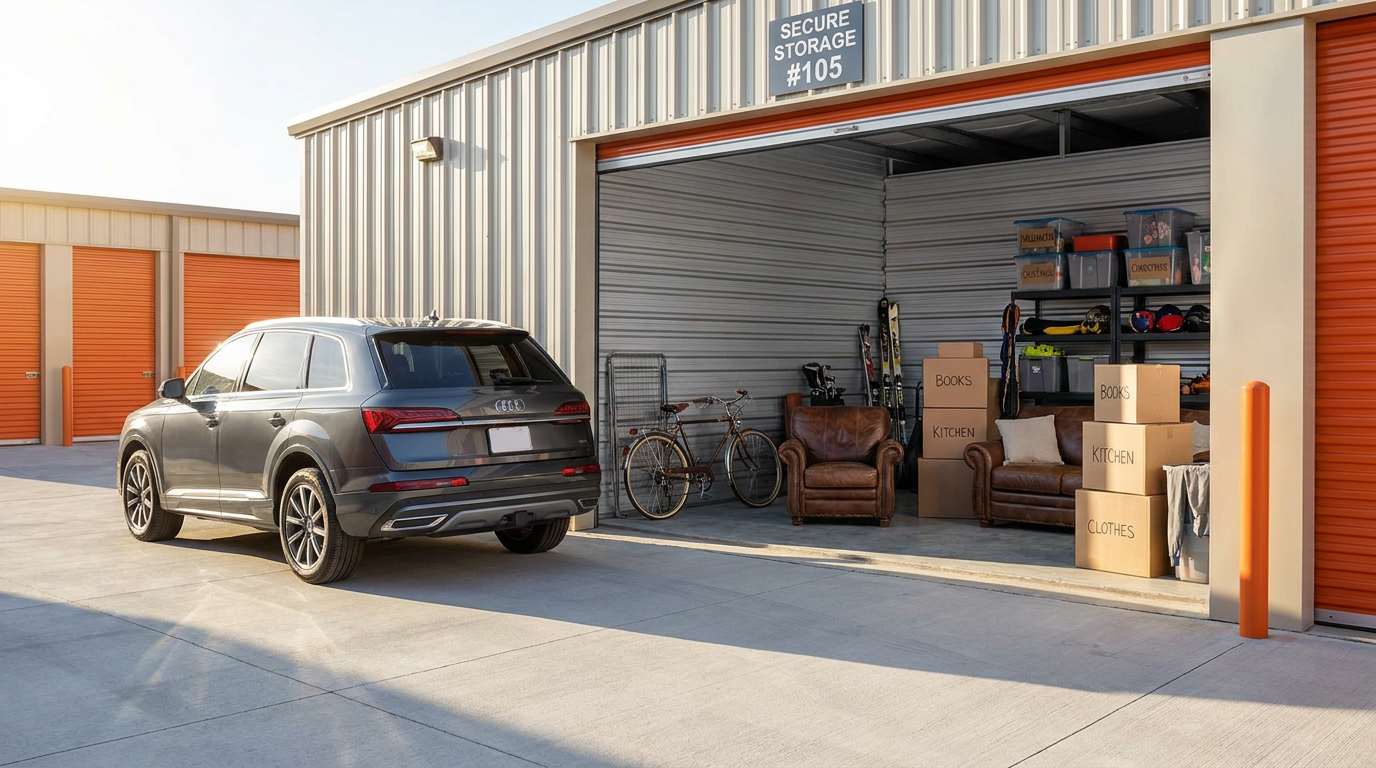
Enclosed storage places your vehicle inside a fully walled unit with a locking door. This garage-style setup provides complete weather protection, enhanced security, and often includes climate control options. Premium enclosed facilities offer individual unit alarms, video monitoring, and climate-controlled environments.
Monthly costs range from $150 to $450 depending on unit size, climate control features, and facility amenities. A 10x30 enclosed space suitable for most travel trailers and boats typically runs $200 to $300 monthly. Climate-controlled units add $50 to $100 to base pricing.
When Enclosed Storage Makes Sense
High-value vehicles justify enclosed storage costs. Classic cars, luxury RVs exceeding $100,000, and custom-built trailers benefit from maximum protection. Insurance companies often require enclosed storage for collector vehicles and may reduce premiums by 10 to 15 percent when proper storage is documented.
Long-term storage exceeding six months strongly favors enclosed options. Vehicles sitting unused accumulate moisture damage, pest intrusion, and component deterioration when exposed to temperature swings. Enclosed climate-controlled units maintain 55 to 80 degree temperatures and 30 to 50 percent humidity year-round.
Western Slope residents storing boats, ATVs, or snowmobiles during off-seasons often choose enclosed storage. Communities like Telluride, Hotchkiss, Paonia, and Grand Junction lack residential space for large recreational equipment, making enclosed storage a practical necessity.
Enclosed Storage Considerations
Access frequency matters with enclosed units. Opening and closing garage doors, navigating tight spaces, and scheduling around facility hours takes more time than outdoor parking. If you use your trailer weekly, the convenience trade-off may not justify premium pricing.
Availability presents challenges in many markets. Enclosed vehicle storage units fill quickly and often maintain waitlists. Planning ahead, especially before peak storage seasons in fall and spring, helps secure preferred unit sizes.
Complete Comparison: Outdoor vs Covered vs Enclosed Storage
| Feature | Outdoor | Covered | Enclosed |
|---|---|---|---|
| Monthly Cost (20 ft space) | $30 to $80 | $75 to $150 | $150 to $300 |
| UV Protection | None | 95% blocked | 100% blocked |
| Rain and Snow Protection | None | Partial (top only) | Complete |
| Hail Protection | None | Moderate | Complete |
| Security Level | Basic (fenced) | Basic (fenced) | Enhanced (locked unit) |
| Climate Control Option | No | No | Available |
| Best For | Frequent use, short-term | Seasonal, moderate value | Long-term, high value |
| Access Convenience | Highest | High | Moderate |
How Much Does It Cost to Store a 20-Foot Trailer?
A 20-foot trailer requires approximately 100 to 150 square feet of storage space, typically a 10x15 or 10x20 unit with drive-up access. National averages from the Self Storage Association place monthly costs between $100 and $250 for standard trailer storage.
Location significantly impacts pricing. Urban areas and tourist destinations charge premium rates, while rural communities offer more competitive options. Delta County storage facilities typically price 15 to 25 percent below Denver metro rates for comparable units.
Additional factors affecting trailer storage costs include: tongue length requiring extra space, height clearance for enclosed units, electrical hookups for battery maintenance, and insurance requirements. Some facilities bundle protection plans starting at $10 to $15 monthly.
The Four Types of Storage Facilities Explained
Storage facilities fall into four main categories, each serving different needs. Understanding these distinctions helps match your vehicle or trailer with appropriate protection and access.
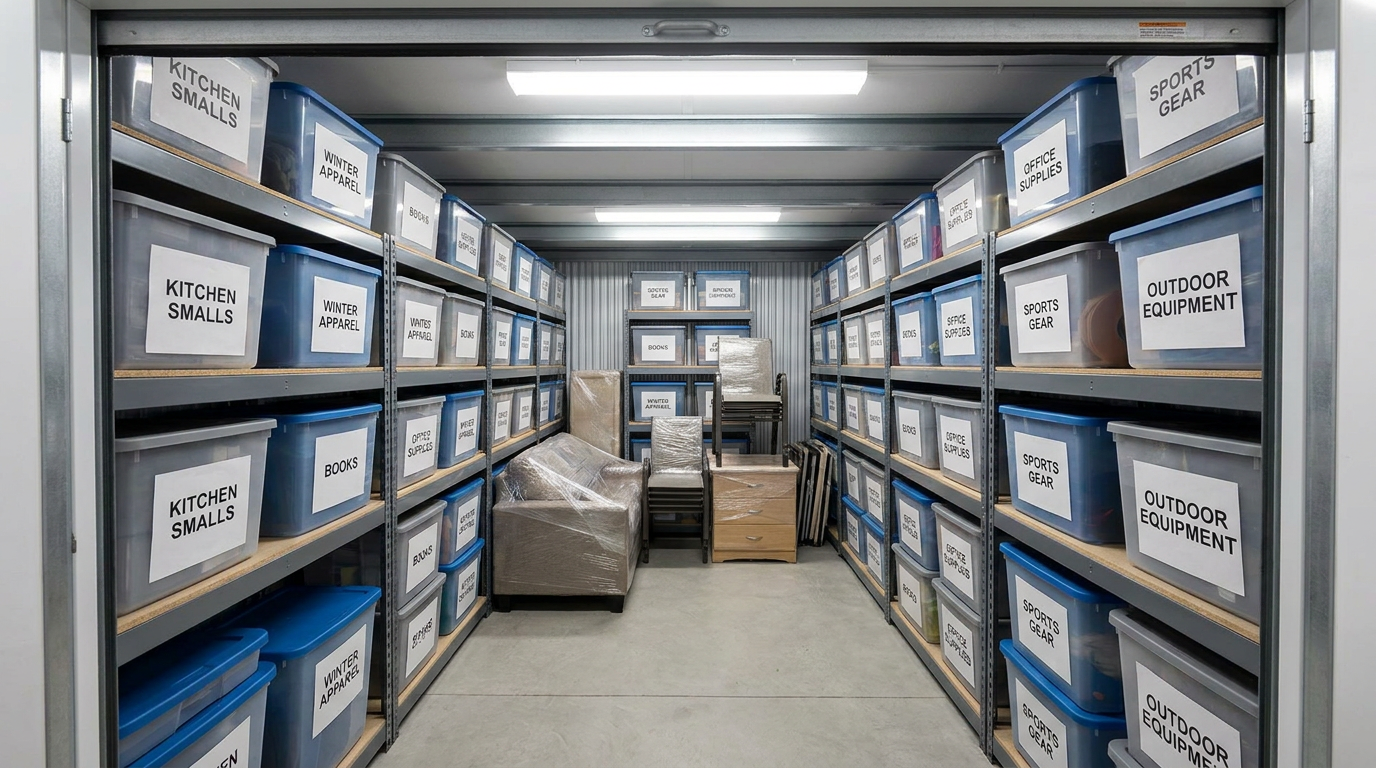
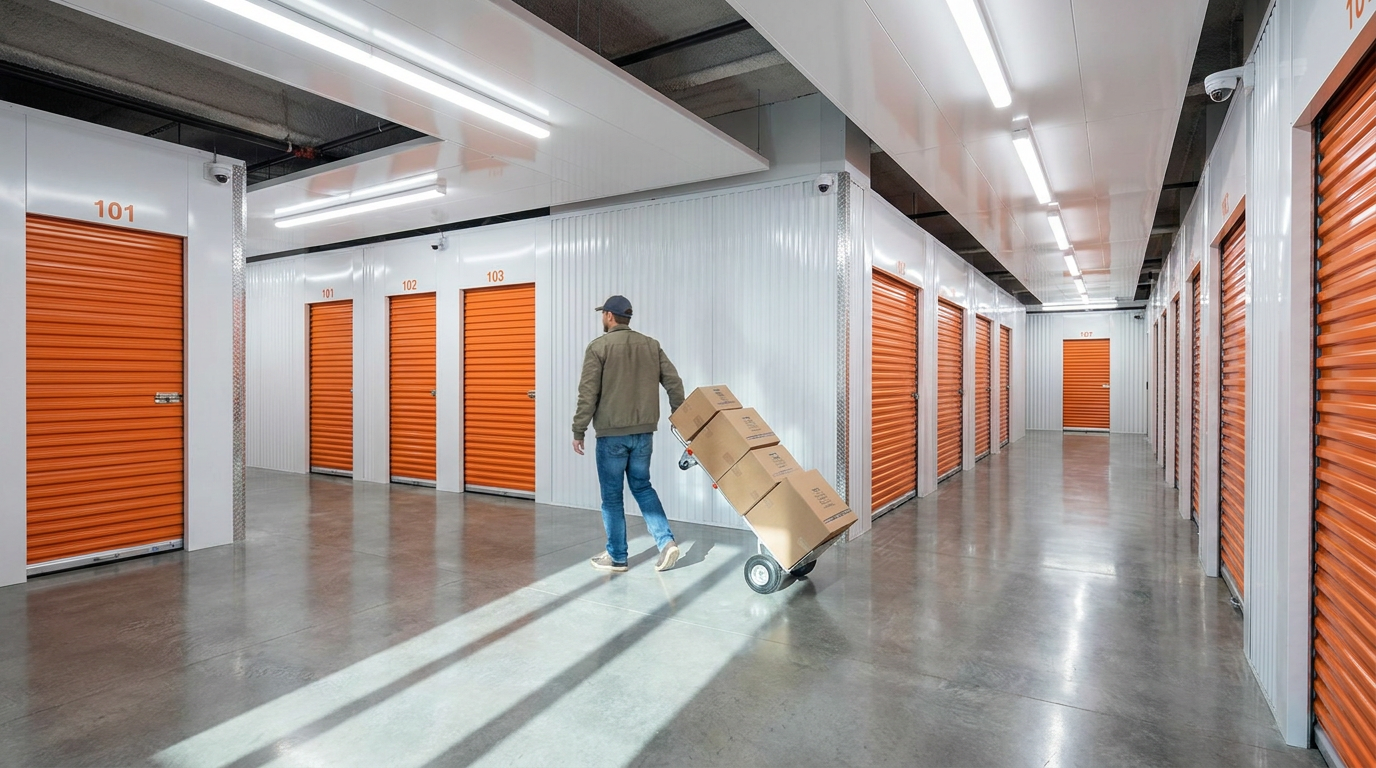
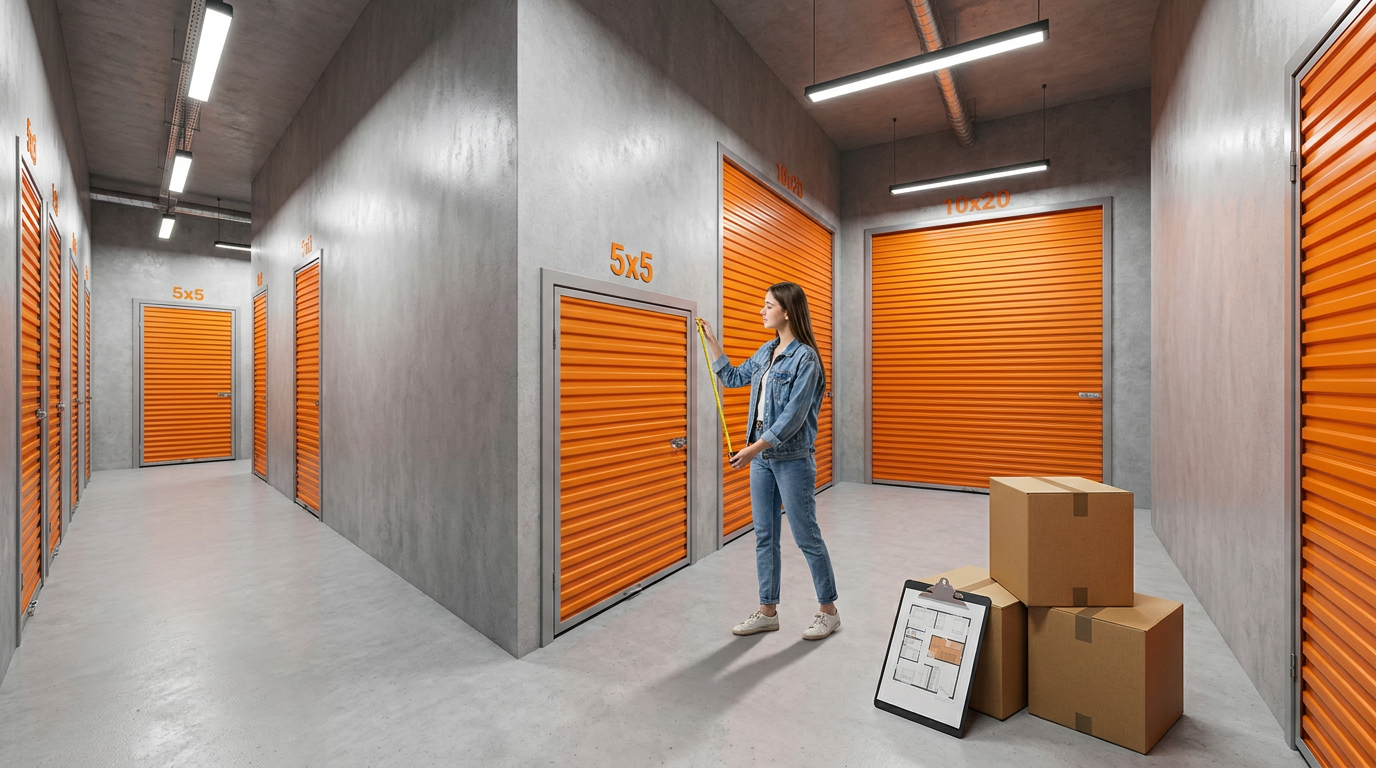
Traditional self-storage facilities offer indoor units ranging from 5x5 closet-sized spaces to 10x30 units suitable for vehicles. These facilities provide climate control options, individual unit locks, and 24-hour access. They work well for enclosed vehicle storage when drive-up access is available.
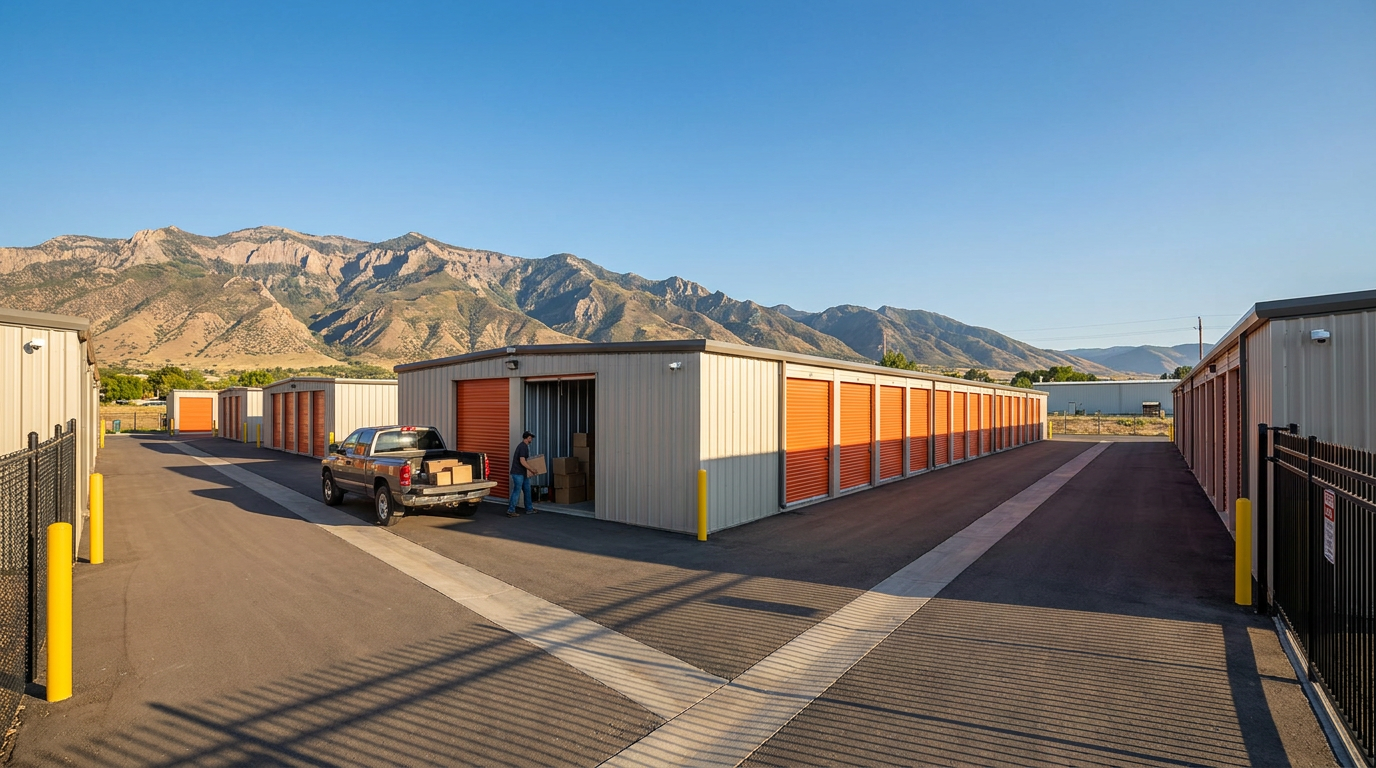
Outdoor storage yards specialize in vehicle, RV, boat, and equipment parking. These facilities feature large open lots with perimeter fencing, security cameras, and gated entry. Some include covered parking sections. Pricing stays lower than traditional facilities due to minimal infrastructure.
Portable storage containers deliver units directly to your location for loading, then transport them to secure facilities. Companies like PODS and U-Pack operate this model. Container storage works for household moves but rarely accommodates vehicles or trailers.
Warehouse storage facilities offer large-scale commercial space for businesses storing inventory, equipment, or vehicle fleets. Monthly rates run $500 to $2,000 or more based on square footage. These facilities suit dealerships, rental companies, and contractors with multiple vehicles.
Inside vs Outside Storage Units: Which Performs Better?
Inside storage units consistently outperform outside options for long-term vehicle preservation. The SecureSpace vehicle storage analysis documents measurable differences in vehicle condition after 12 months of storage.
Interior paint finish degradation occurs 3 to 4 times faster with outdoor exposure. Rubber components, including tires, seals, and weather stripping, show cracking and brittleness within 18 months outdoors versus 5 to 7 years indoors. Battery discharge rates increase 40 percent in temperature-variable outdoor environments.
However, inside storage costs 2 to 3 times more than outdoor alternatives. For vehicles valued under $15,000 or those used frequently, the math often favors outdoor storage with proper preparation: quality covers, tire protectants, and regular maintenance visits.
Is Covered RV Storage Worth the Extra Cost?
Covered storage represents the best value for most RV owners storing vehicles 3 to 9 months annually. The 50 to 100 percent price premium over outdoor storage delivers measurable protection benefits without enclosed storage costs.
RV roof replacement costs $3,000 to $12,000 depending on size and material. UV exposure accelerates roof membrane deterioration by 40 to 60 percent compared to covered conditions. A $75 monthly premium for covered storage ($900 annually) pays for itself within 3 to 5 years through extended roof life alone.
Covered storage also reduces cleaning time and frequency. RVs stored under cover require washing every 2 to 3 months versus monthly cleaning for outdoor-stored units. At $100 to $200 per professional RV wash, covered storage saves $600 to $1,200 annually in maintenance costs.
For Western Slope residents in communities like Delta, Montrose, or Grand Junction, covered storage provides essential hail protection during summer storm season. A single hail event can cause $5,000 or more in RV damage, making covered storage a practical insurance policy.
Preparing Your Vehicle for Any Storage Type
Proper preparation extends vehicle life regardless of storage type chosen. These steps apply to cars, trucks, RVs, boats, and trailers entering storage for 30 days or longer.
Clean thoroughly before storage. Dirt, bird droppings, and tree sap left on surfaces cause permanent staining and paint damage. Wash exterior, clean interior, and remove all food items that attract pests.
Maintain fluid levels appropriately. Fill fuel tanks to 90 percent capacity and add stabilizer to prevent ethanol separation. Check coolant, brake fluid, and transmission fluid levels. Change oil if storage exceeds 3 months.
Protect batteries from discharge. Disconnect negative terminals or use battery maintainers with trickle charge capability. Lithium batteries in RVs require specific winter storage procedures; consult manufacturer guidelines.
Address tire care proactively. Inflate tires to maximum recommended pressure to prevent flat spots. Use tire covers for outdoor and covered storage to block UV damage. Consider tire cradles or moving vehicles monthly for storage exceeding 6 months.
Prevent pest intrusion with targeted measures. Seal exhaust pipes and air intakes with steel wool or commercial covers. Place rodent deterrents inside and around vehicles. Check monthly for signs of nesting activity.
Drive-Up Storage: A Practical Alternative for Trailers
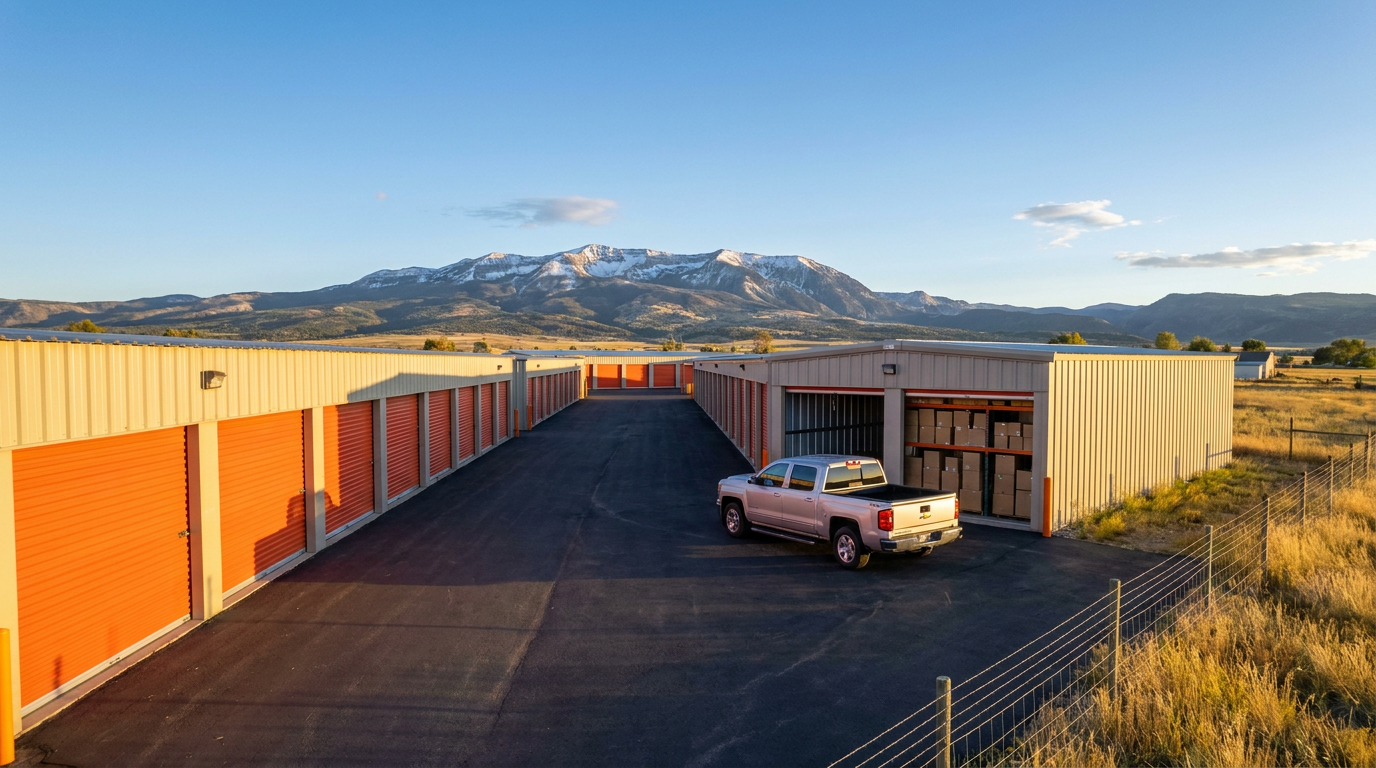
Drive-up storage units offer enclosed protection with convenient access for trailers and smaller vehicles. These ground-level units feature roll-up doors wide enough for vehicle entry and exit, combining security benefits with practical accessibility.
Unit sizes for vehicle storage typically range from 10x20 (200 square feet) to 10x30 (300 square feet). Larger units accommodate travel trailers, utility trailers, and compact boats. Check our storage unit size guide to determine the right dimensions for your specific vehicle.
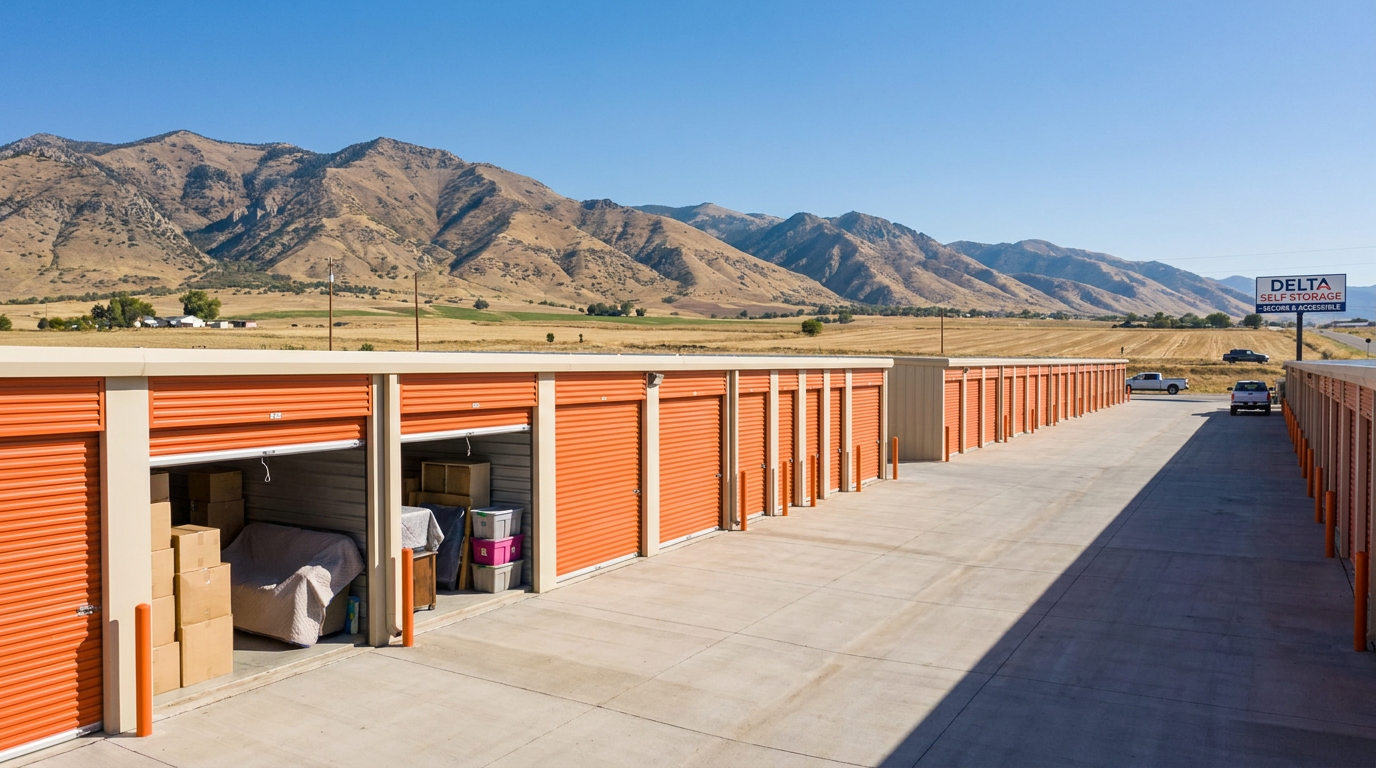
Delta Self Storage offers drive-up units at both Palmer Street and Highway 50 locations in Delta, Colorado. The 10x30 units with dual side access provide 270 to 300 square feet of enclosed space suitable for trailers, large household moves, and business inventory storage.
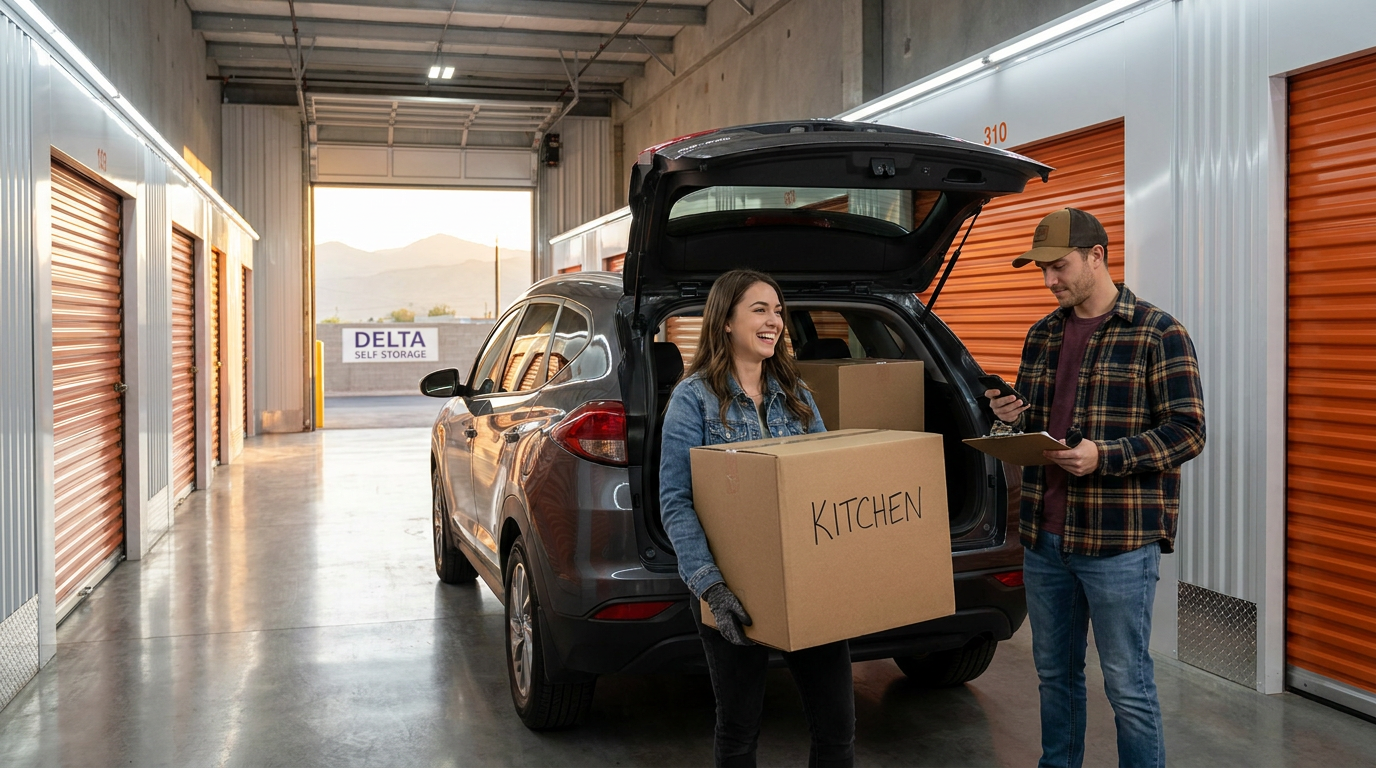
24-hour access allows retrieval at any time, important for early morning fishing trips or weekend camping departures. Month-to-month rentals provide flexibility without long-term commitments, and online rental capabilities let you secure a unit in under 60 seconds.
Regional Considerations for Western Slope Storage
Colorado's Western Slope presents unique storage challenges that influence optimal choices. Understanding local climate patterns helps protect vehicles and trailers throughout the year.
Summer hail season runs May through August, with the most severe storms occurring in June and July. The National Weather Service records an average of 8 to 12 significant hail events annually in Delta and Montrose counties. Covered or enclosed storage during these months prevents costly damage.
Winter temperatures in Delta regularly drop below 20 degrees Fahrenheit, with occasional stretches below zero. Extreme cold affects battery performance, tire pressure, and fluid viscosity. Climate-controlled storage maintains stable conditions, while outdoor storage requires additional winterization steps.
High-altitude UV intensity exceeds sea-level exposure by 25 to 30 percent. At 5,000 feet elevation, Delta receives significantly more damaging UV radiation than coastal or lowland areas. This accelerates paint fade, rubber degradation, and interior damage for outdoor-stored vehicles.
Dust and wind events occur frequently during spring months. Fine particles penetrate seals and accumulate on surfaces, requiring more frequent cleaning for outdoor-stored vehicles. Enclosed storage eliminates dust intrusion entirely.
Making Your Final Decision
Select storage type based on three primary factors: vehicle value, storage duration, and access frequency. This decision framework simplifies the choice for most situations.
Choose outdoor storage when storing vehicles valued under $10,000, accessing weekly or more frequently, or parking for less than 3 months. Budget-conscious owners of work trailers, utility trailers, and older recreational vehicles benefit most from outdoor options.
Choose covered storage when storing vehicles valued between $10,000 and $50,000, parking for 3 to 9 months seasonally, or protecting against UV and precipitation while maintaining reasonable costs. Most RV and boat owners find covered storage delivers optimal value.
Choose enclosed storage when storing vehicles valued over $50,000, parking for 9 months or longer, requiring climate control for sensitive interiors, or needing maximum security. Classic car collectors, luxury RV owners, and those storing irreplaceable vehicles justify enclosed costs.
For questions about storage options in Delta County, Montrose County, or surrounding Western Slope communities, contact Delta Self Storage by phone or email. Our locally owned team provides personalized guidance 7 days a week to help match your vehicle with appropriate storage solutions.
|