Storage Units for Rent Near Delta, CO: What to Know First
S
torage units near Delta, Colorado range from $45 to $385 per month depending on size, with most renters choosing 10x10 units at approximately $95 monthly. Before signing any rental agreement, verify the facility offers month-to-month leases, 24/7 access, and ground-level drive-up convenience for easy loading.
Understanding Storage Unit Sizes and Capacity
Choosing the correct unit size prevents paying for unused space or cramming belongings into inadequate square footage. According to the Self Storage Association industry guidelines, renters frequently underestimate their storage needs by 15-25%, leading to mid-lease upgrades and additional moving costs.
Delta County storage facilities typically offer units in standardized dimensions. Small units measuring 4x15 feet (60 sq ft) or 8x8 feet (64 sq ft) accommodate boxes, seasonal decorations, sporting equipment, and small furniture pieces. These compact spaces work well for apartment dwellers storing winter gear during summer months or vice versa.
Medium units at 10x10 feet (100 sq ft) or 8x15 feet (120 sq ft) hold the contents of a one-bedroom apartment or two-bedroom home. Expect to fit a sofa, dining table, dresser, mattress set, and 15-20 moving boxes. For residents relocating between Montrose, Cedaredge, or Hotchkiss, this size handles most transitional storage needs.
Large units measuring 9x30 feet (270 sq ft) or 10x30 feet (300 sq ft) accommodate four to five-bedroom home contents, business inventory, vehicles, or recreational equipment. Dual side access on these larger units allows drive-through loading, particularly useful for boat storage or commercial inventory rotation.
Size Selection by Room Count
Use the storage unit size guide
to match your specific inventory to available dimensions before committing to a lease.
Storage Unit Pricing in Delta County
Delta, Colorado storage rates run 20-35% below comparable facilities in Grand Junction or Telluride due to lower commercial real estate costs in the region. The Self Storage Association reports national average rates of $89.12 monthly for 10x10 non-climate-controlled units, making Delta's $95 monthly 10x10 rate directly competitive.
Promotional pricing significantly impacts first-year costs. Move-in specials change frequently across Delta facilities. Ask each location about its current offers before signing, since introductory pricing can meaningfully reduce first-year costs.
Watch for hidden fees that inflate monthly costs. Some facilities charge administrative fees ($15-$30), mandatory insurance ($10-$20/month), or lock purchase requirements ($12-$25). Locally owned facilities in Delta County typically bundle these costs or waive them entirely, while national chains more commonly itemize additional charges.
What Affects Storage Unit Pricing
Unit size drives the largest cost variation, with prices scaling roughly proportional to square footage. Location within the facility matters less for outdoor drive-up units than for interior facilities with elevator access. Ground-floor units with direct vehicle access command the same rates as upper-floor units in Delta since most local facilities feature single-level outdoor configurations.
Lease length rarely affects monthly rates at Delta County facilities. Month-to-month agreements typically cost the same as longer commitments, unlike apartment rentals where 12-month leases reduce monthly costs. This flexibility benefits seasonal residents, Telluride workers, and business owners with fluctuating inventory needs.
Drive-Up Access: Why It Matters on the Western Slope
Drive-up storage units allow vehicles to park directly at the unit door, eliminating hallways, elevators, and loading docks. For Western Slope residents storing outdoor recreation equipment, this configuration reduces loading time from 2-3 hours to 45-90 minutes for a typical one-bedroom move.
Colorado weather makes drive-up access particularly valuable. Summer afternoon thunderstorms and winter snow events create loading challenges at facilities requiring long walks from parking areas. Ground-level drive-up units let renters load during brief weather windows without exposing belongings to precipitation.
The Palmer Street storage facility
and Highway 50 storage location
both feature outdoor drive-up configurations. Dual side access on larger units (9x30 and 10x30) enables drive-through loading, useful for trailers, boats, and commercial deliveries.
Comparing Access Types
24/7 Access and Security Features
Round-the-clock access accommodates irregular schedules common among Western Slope workers. Agricultural employees, mining shift workers, and Telluride hospitality staff often need storage access outside standard business hours. Facilities advertising 24/7 access should specify whether this includes gate entry, unit access, or both.
Security features vary significantly between Delta County facilities. Standard measures include perimeter fencing, individual unit locks (tenant-provided or facility-sold), and exterior lighting. Enhanced security adds gated entry with personalized access codes, LED lighting throughout the property, and surveillance camera systems.
According to SpareFoot's self-storage industry analysis, facilities with bright LED lighting experience 60% fewer break-in attempts than those with standard lighting. Delta Self Storage facilities feature comprehensive LED lighting at both the Palmer Street and Highway 50 locations.
Questions to Ask About Security
Before signing a rental agreement, verify specific security details. Ask whether gate codes are unique to each tenant or shared among all renters. Inquire about camera coverage: are cameras monitored in real-time, recorded for later review, or purely deterrent (non-functional). Confirm lighting levels throughout the facility, not just at the entrance.
Protection plans offer additional coverage beyond standard renter's insurance. These facility-provided plans typically cost $10-$25 monthly and cover stored items against theft, fire, and certain weather damage. Review policy limits and exclusions before declining coverage, as homeowner's insurance often excludes off-premises storage or imposes low sublimits.
Month-to-Month Flexibility vs. Long-Term Contracts
Month-to-month rentals dominate the Delta County storage market, with most facilities avoiding long-term contract requirements. This flexibility benefits renters uncertain about storage duration, seasonal residents splitting time between Delta and other locations, and business owners with fluctuating inventory needs.
No-deposit policies reduce upfront costs significantly. Traditional storage facilities often require first month's rent plus a security deposit equal to one month's rent. A $99/month unit would require $198 upfront under deposit policies versus $99 at no-deposit facilities. For renters storing items across multiple units, deposit savings compound quickly.
Cancellation policies matter even with month-to-month agreements. Most facilities require 7-14 days written notice before the next billing cycle. Failing to provide proper notice may result in charges for an additional month. Review the rental agreement's cancellation clause before signing, and confirm the preferred notification method (email, phone, written letter).
What Items Cannot Be Stored
Storage facilities universally prohibit hazardous materials, including flammable liquids (gasoline, propane, paint thinner), explosives, corrosive chemicals, and radioactive materials. Violations risk immediate lease termination, liability for damages, and potential criminal charges under Colorado hazardous materials statutes.
Perishable items and living things are prohibited at all reputable facilities. Food attracts pests that damage neighboring units. Plants die without light and water, creating mold and odor issues. Animals, even temporarily, violate state animal welfare laws and facility insurance requirements.
Firearms storage policies vary by facility. Some Delta County facilities permit properly secured firearms in locked containers; others prohibit weapons entirely. Verify the specific facility's policy before storing hunting rifles, handguns, or ammunition. Colorado law does not prohibit firearm storage in self-storage units, but facility rules may impose additional restrictions.
Commonly Prohibited Items
- Gasoline, propane, kerosene, and other flammable fuels
- Fireworks, ammunition (at some facilities), and explosives
- Food, beverages, and perishable goods
- Live plants and animals
- Stolen property or items used in illegal activities
- Wet items, including recently cleaned carpets or damp furniture
- Tires (prohibited at some facilities due to fire risk)
Check the frequently asked questions
for specific prohibited item policies before renting.
Online Rental Process: What to Expect
Modern storage facilities enable complete rental transactions online, from unit selection through move-in. The process typically requires 60-90 seconds: select unit size, enter contact information, provide payment method, and sign the digital rental agreement. Immediate access codes or lock combinations arrive via email or text message.
Online rentals require valid payment methods (credit card, debit card, or ACH bank transfer) and government-issued identification. Some facilities verify identity through knowledge-based authentication questions rather than ID upload. Prepare driver's license or state ID information before starting the online process.
Autopay enrollment typically accompanies online rentals. While convenient, autopay may complicate cancellation if the facility requires manual payment suspension before lease termination. Confirm whether autopay can be disabled online or requires customer service contact.
Documents Needed for Rental
Gather these items before beginning the rental process: government-issued photo ID (driver's license, state ID, or passport), payment method (credit card, debit card, or bank account information), current mailing address for billing statements, and emergency contact information. Business rentals may require additional documentation including business license, EIN, and authorized signer verification.
Climate Considerations for Delta County Storage
Delta, Colorado experiences temperature extremes ranging from below 0 degrees Fahrenheit in winter to above 95 degrees Fahrenheit in summer. Non-climate-controlled outdoor units expose stored items to these temperature swings, which affect certain materials more than others.
Items tolerating temperature variation include metal furniture, outdoor equipment, hand tools, sporting goods, and seasonal decorations made from plastic or fabric. These materials withstand Delta's climate without special protection beyond standard packing practices.
Temperature-sensitive items require additional consideration. Electronics, wooden furniture with veneer finishes, leather goods, photographs, vinyl records, and wine may suffer damage from extreme heat or cold. If storing these items in non-climate-controlled units, schedule access during moderate temperature periods (spring and fall) to minimize thermal shock.
Packing Tips for Outdoor Storage
Proper packing mitigates climate exposure in outdoor units. Wrap upholstered furniture in breathable cotton covers rather than plastic, which traps moisture and promotes mold growth. Elevate items on pallets or 2x4 boards to prevent ground moisture contact. Leave 2-3 inches between items and unit walls for air circulation.
Silica gel packets absorb ambient moisture inside sealed boxes. Place 2-3 packets per medium box containing books, documents, or textiles. Desiccant products cost $15-$30 for quantities sufficient to protect a 10x10 unit's contents and last 60-90 days before replacement.
Choosing Between Delta Storage Locations
Delta Self Storage operates two facilities in central Delta, each serving different access patterns. The Palmer Street location (1044 Palmer St) sits in a residential area convenient for renters living north of downtown. The Highway 50 location (694 US-50) offers easier access for those commuting from Montrose, Cedaredge, Paonia, or Hotchkiss.
Unit availability differs between locations. The Palmer Street facility offers 8x8, 10x10, and 10x30 configurations. The Highway 50 facility provides 4x15, 8x15, and 9x30 options. Renters needing specific dimensions should check both locations for availability.
Pricing varies slightly between facilities. The Highway 50 location's 4x15 units ($45/month) offer the lowest entry price point. Palmer Street's 10x30 dual-access units ($385/month) provide the largest capacity. Compare current rates at both locations before committing.
Serving the Western Slope Community
Storage needs vary across Delta County and surrounding communities. Telluride seasonal workers often require short-term storage during off-season housing transitions. Grand Junction commuters use Delta storage for overflow household items, taking advantage of lower rates than Mesa County facilities. Paonia and Hotchkiss agricultural operations store equipment and supplies during dormant seasons.
Locally owned storage facilities understand regional needs better than national chains. Customer service availability seven days per week via phone, text, and email accommodates Western Slope schedules. The locally owned and operated team
at Delta Self Storage provides personalized assistance that corporate call centers cannot match.
Business storage supports Delta County's commercial sector. Contractors store tools and materials between job sites. Retailers hold seasonal inventory overflow. Home-based businesses separate commercial supplies from living spaces. Month-to-month flexibility accommodates business cycles without long-term commitments during slow periods.
Frequently Asked Questions
How much does a storage unit cost in Delta, CO?
Storage units in Delta range from $45/month for small 4x15 units to $385/month for large 10x30 dual-access units. Medium 10x10 units run $95/month at the Palmer Street location.
Do I need a deposit to rent a storage unit?
Many Delta facilities, including Delta Self Storage, require no deposit for month-to-month rentals. You pay only the first month's rent to move in immediately. This policy reduces upfront costs by $50-$100 compared to deposit-requiring facilities.
Can I access my storage unit at night?
Facilities offering 24/7 access allow entry at any hour, including nights, weekends, and holidays. Both Delta Self Storage locations provide round-the-clock access with personalized gate codes. Verify 24-hour access before renting if you anticipate nighttime visits.
What size storage unit do I need for a 2-bedroom apartment?
A 10x10 unit (100 sq ft) or 8x15 unit (120 sq ft) accommodates typical two-bedroom apartment contents including a sofa, bed, dresser, dining set, and 15-25 boxes. Downsize to an 8x8 unit if storing only furniture without boxes, or upsize to 10x15 if including a washer/dryer or extensive box inventory.
How quickly can I move into a storage unit?
Online rental enables same-day move-in within 60 seconds of completing the reservation. Access codes arrive immediately via email or text message. No appointment or office visit is required at facilities with online rental capabilities.
Is my stuff insured in a storage unit?
Standard rental agreements do not include insurance coverage. Renters must provide their own protection through homeowner's/renter's insurance (verify off-premises coverage limits) or facility-offered protection plans ($10-$25/month). Review policy exclusions for theft, water damage, and natural disasters before assuming coverage.
Can I store a car or boat in a storage unit?
Large units (9x30 or 10x30) accommodate most vehicles, boats, and trailers. Dual side access units allow drive-through loading without backing in. Drain fuel tanks to quarter-full, disconnect batteries, and inflate tires to maximum recommended pressure for long-term vehicle storage.

Find the right storage unit size in Delta, CO. Compare 60-300 sq ft options, features like drive-up access, and prices starting at $45/month.

Rent a storage unit in Delta, CO in 60 seconds online. Learn unit sizes, costs from $45/month, lease terms, and move-in steps at two local facilities.

Compare outdoor, covered, and enclosed vehicle and trailer storage options. Learn costs, protection levels, and which type fits your RV, boat, or trailer.

Learn proven strategies to maximize your 8x8 storage unit space. Get expert packing tips, organization methods, and layout plans to fit more in 64 sq ft.
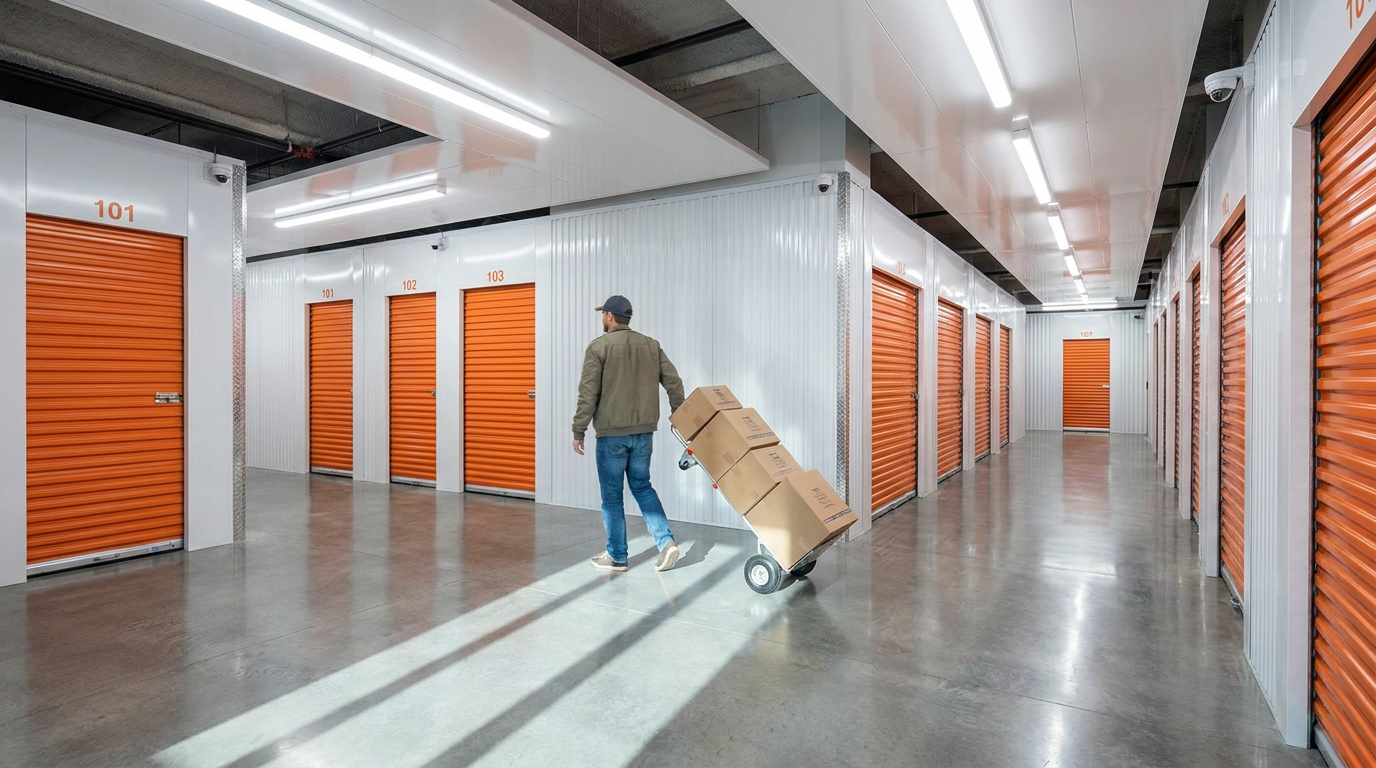
What self storage costs in 2026 - typical monthly ranges by unit size, what drives rates, and Delta, CO context for Highway 50 and Palmer Street. From Delta Self Storage.

Car storage costs $45-$450/month and RV storage runs $50-$500/month depending on type. Compare outdoor, covered, and enclosed options with real pricing.

Learn exactly what storage unit size fits your furniture. Compare 5x5 to 10x30 units with specific dimensions, capacity charts, and expert sizing tips.

Drive-up storage units hold furniture, appliances, seasonal gear, business inventory, and more. Learn what to store and what to avoid in this complete guide.

Learn how to choose the right storage unit size with our complete guide. Covers unit dimensions from 5x5 to 10x30, what fits, and sizing tips for your needs.

Find the right storage unit in Delta, CO. Compare sizes from 60 to 300 sq ft, features like drive-up access and 24/7 entry, plus current pricing from $45/month.