How to Rent a Storage Unit in Delta, CO: Step-by-Step Guide
R
enting a storage unit in Delta, Colorado takes about 60 seconds online. Select your unit size (60 to 300 square feet), complete a digital lease agreement, pay your first month's rent, and receive immediate 24/7 access to your unit. No deposit required, and month-to-month terms mean you can cancel anytime without penalty.
Why Rent a Storage Unit in Delta, Colorado?
Delta sits at the heart of Colorado's Western Slope, serving as a hub for residents from Montrose, Cedaredge, Hotchkiss, Paonia, and communities stretching to Telluride and Grand Junction. According to the Movers Corp storage directory, Delta offers competitive pricing compared to larger Front Range cities, with small units starting under $50 per month.
Local storage demand peaks during summer moving season (May through September) and ski season transitions. Business owners along Highway 50 use storage for seasonal inventory, while outdoor enthusiasts store camping gear, kayaks, and winter sports equipment year-round.
The Self Storage Association reports that 9.4% of American households currently rent storage units. In rural Colorado communities like Delta, that percentage often runs higher due to seasonal lifestyle patterns and limited residential garage space in older homes.
Step 1: Determine What You Need to Store
Before browsing units, inventory your belongings. Create a list organized by category: furniture, boxes, appliances, seasonal items, and oversized equipment. This prevents renting a unit that is too small (requiring a costly upgrade) or too large (wasting money monthly).
For a one-bedroom apartment, plan on 100 square feet. A three-bedroom home typically requires 200 to 300 square feet. Business inventory varies widely; measure your largest items and add 20% buffer space for aisle access.
Consider access frequency. Items you need weekly should go near the unit door. Long-term storage items can stack toward the back. This planning step takes 15 to 30 minutes but saves hours during move-in.
Step 2: Choose the Right Unit Size
Delta storage facilities offer units ranging from compact 4x15 spaces (60 square feet) to large 10x30 units (300 square feet). Use our storage unit size guide
to match your inventory to the correct dimensions.
The 10x10 unit remains the most popular size nationally, fitting the contents of a standard one-bedroom apartment including a sofa, dresser, mattress set, and 10 to 15 moving boxes. In Delta, the 8x15 unit offers slightly more space at a competitive $85 per month rate.
Step 3: Compare Delta Storage Locations
Delta Self Storage operates two facilities in central Delta, each with distinct advantages. Both locations offer 24/7 access, drive-up units, and online rental capabilities.
Palmer Street Location
The Palmer Street facility
at 1044 Palmer St offers unit sizes from 8x8 to 10x30. The largest units feature dual side access, allowing you to drive through for easier loading of vehicles, boats, or bulky equipment. This location works well for residents coming from Cedaredge, Hotchkiss, or Paonia via Highway 92.
Highway 50 Location
The Highway 50 facility
at 694 US-50 provides convenient access for those traveling from Montrose, Grand Junction, or Telluride. Unit sizes range from 4x15 to 9x30, with the smaller units ideal for seasonal gear storage. Highway 50's central location makes it popular with business owners needing regular inventory access.
According to Northside Storage's Delta facility page, the Delta storage market includes multiple operators along the US-50 corridor. Comparing locations based on proximity to your home or business can reduce travel time significantly over a 12-month rental period.
Step 4: Complete the Online Rental Process
The online rental process takes approximately 60 seconds. Visit the facility page, select an available unit, and complete these steps:
- Select your unit size from the availability grid showing real-time inventory
- Review the monthly rate shown for your selected unit
- Enter your contact information including name, email, phone, and billing address
- Provide a valid payment method (credit card, debit card, or ACH bank transfer)
- Sign the digital lease agreement electronically
- Receive your access code via email and text message immediately
No in-person visit required. The entire process happens through your phone or computer. Check our frequently asked questions
for details on payment methods, autopay setup, and account management.
Step 5: Understand Lease Terms and Pricing
Delta storage facilities typically operate on month-to-month lease terms, providing flexibility that annual contracts cannot match. This structure benefits seasonal renters, college students, and anyone uncertain about storage duration.
Key Lease Terms to Review
Billing cycle:
Rent is due on the same date each month, typically the anniversary of your move-in date. Late fees apply after a 5 to 10 day grace period, varying by facility.
Move-out notice:
Most facilities require written notice before your next billing date. Provide at least 7 days notice to avoid being charged for an additional month.
Deposit requirements:
Many Delta facilities, including Delta Self Storage, require no deposit. This reduces upfront costs by $50 to $100 compared to facilities that require first and last month's rent.
Protection plans:
Optional insurance coverage protects against theft, fire, water damage, and other losses. Plans typically cost $10 to $25 monthly for $2,000 to $5,000 in coverage. Your homeowner's or renter's insurance may already cover stored items; verify before purchasing additional coverage.
Step 6: Prepare for Move-In Day
Successful move-in requires preparation. Gather these items before arriving at your unit:
- Access code: Verify you received your gate code via email or text
- Quality lock: Bring a disc lock or cylinder lock (not a standard padlock, which is easier to cut)
- Moving supplies: Boxes, tape, furniture pads, and tie-down straps
- Inventory list: Document items for insurance purposes with photos
- Flashlight: Useful for inspecting the unit before loading
Arrive during daylight hours for your first visit, even though 24/7 access is available. This allows you to familiarize yourself with the facility layout, test your access code, and inspect your unit for cleanliness.
Loading Tips for Drive-Up Units
Drive-up units eliminate the need for elevators, hallways, or carts. Back your vehicle directly to the unit door. Load heavy items first, placing them against the back and side walls. Stack boxes by weight (heaviest on bottom) and leave a center aisle for access to items you may need during the rental period.
For dual-access units (available in 9x30 and 10x30 sizes), you can drive through the unit or access from either side. This configuration works exceptionally well for vehicle storage or when loading large equipment from multiple angles.
What Items Cannot Be Stored
Storage facilities prohibit certain items for safety and legal reasons. According to industry guidelines from Movers Corp, prohibited items typically include:
- Hazardous materials, flammable liquids, and explosives
- Perishable food items and anything that attracts pests
- Living plants or animals
- Firearms and ammunition (regulations vary; check with facility)
- Stolen property or items used in illegal activities
- Chemicals, corrosive substances, and biological waste
Violating these restrictions can result in immediate lease termination and potential legal liability. When in doubt, contact the facility before storing questionable items.
Personal vs. Business Storage Needs
Delta storage facilities serve both residential and commercial customers. Understanding the differences helps you choose the right unit and features.
Personal Storage Use Cases
Homeowners and renters typically store seasonal decorations, sporting equipment, furniture during renovations, and belongings during moves. The average personal storage rental lasts 14 months according to industry data. Students attending Western Colorado University or Mesa County community colleges often rent small units during summer breaks.
Business Storage Use Cases
Small businesses along the Western Slope use storage for inventory overflow, equipment, records, and seasonal merchandise. Contractors store tools and materials between job sites. Agricultural businesses store equipment during off-seasons. The 9x30 and 10x30 units with dual access accommodate delivery trucks and forklifts for commercial loading.
Business renters should verify that commercial use is permitted under the lease agreement. Some facilities restrict business hours access or require additional insurance for commercial inventory.
Security Features to Expect
Modern storage facilities employ multiple security layers. When evaluating Delta storage options, look for these features:
Perimeter fencing:
Six-foot or higher fencing with controlled gate access prevents unauthorized entry.
Individual unit locks:
Each tenant provides their own lock, ensuring only you have access to your unit.
LED lighting:
Bright facility lighting deters theft and improves safety during evening access.
Surveillance cameras:
24-hour video monitoring records activity throughout the property.
Unique access codes:
Individual gate codes track entry and exit times for each tenant.
Learn more about our security standards and locally owned and operated approach
to facility management.
Storage Costs in Delta, Colorado
Delta storage pricing runs 15% to 25% below Front Range markets like Denver, Colorado Springs, and Fort Collins. Web rates at Delta Self Storage start at $45 per month for a 4x15 unit.
Price increases typically occur annually, averaging 3% to 8% for existing tenants. Web rates can change with availability, so the rate you see online is the one to lock in.
Frequently Asked Questions
How much does a storage unit cost in Delta, CO?
Storage units in Delta range from $45 to $385 per month depending on size. Small units (60-64 square feet) start at $45 with current promotions. Medium units (100-120 square feet) cost $95 to $115 monthly. Large units with dual access (270-300 square feet) range from $195 to $385.
What size storage unit do I need for a 1-bedroom apartment?
A 10x10 unit (100 square feet) fits the contents of a typical one-bedroom apartment, including a sofa, bed frame, mattress, dresser, dining table with chairs, and 10-15 boxes. If you have minimal furniture, an 8x8 unit (64 square feet) may suffice.
Are there 24-hour storage units in Delta, Colorado?
Yes. Both Delta Self Storage locations offer 24/7 access via individual gate codes. You can access your unit any time, day or night, 365 days per year. This feature benefits shift workers, business owners, and anyone with unpredictable schedules.
Can I rent a storage unit online in Delta, CO?
Yes. Online rental takes approximately 60 seconds. Select your unit, complete the digital lease, pay your first month's rent, and receive your access code immediately via email and text. No phone call or in-person visit required.
Do Delta storage facilities require a deposit?
Many Delta facilities, including Delta Self Storage, require no deposit. This reduces your upfront cost to just the first month's rent. Always confirm deposit requirements before completing your rental, as policies vary between operators.
What items are not allowed in a storage unit?
Prohibited items include hazardous materials, flammable liquids, explosives, perishable food, living plants or animals, firearms (policies vary), stolen property, chemicals, and biological waste. Violating these restrictions can result in lease termination.
Are drive-up storage units better than indoor units?
Drive-up units offer faster loading and unloading since you can back your vehicle directly to the door. They work best for heavy items, frequent access needs, and large-scale moves. Indoor units provide better climate stability but require navigating hallways and elevators. In Delta's climate, outdoor drive-up units work well for most storage needs.
Contact Delta Self Storage
Questions about renting a storage unit in Delta? Our locally owned team provides personalized customer service 7 days a week by phone, text, and email. Contact Delta Self Storage
at (970) 325-5750 or email help@lookingforstorage.com.
We proudly serve Delta County, Montrose County, and surrounding Western Slope communities including Delta, Montrose, Telluride, Grand Junction, Cedaredge, Hotchkiss, and Paonia.

Find the right storage unit size in Delta, CO. Compare 60-300 sq ft options, features like drive-up access, and prices starting at $45/month.

Find storage units near Delta, CO starting at $45/month. Learn unit sizes, pricing, access hours, and what to check before signing a rental agreement.

Compare outdoor, covered, and enclosed vehicle and trailer storage options. Learn costs, protection levels, and which type fits your RV, boat, or trailer.

Learn proven strategies to maximize your 8x8 storage unit space. Get expert packing tips, organization methods, and layout plans to fit more in 64 sq ft.
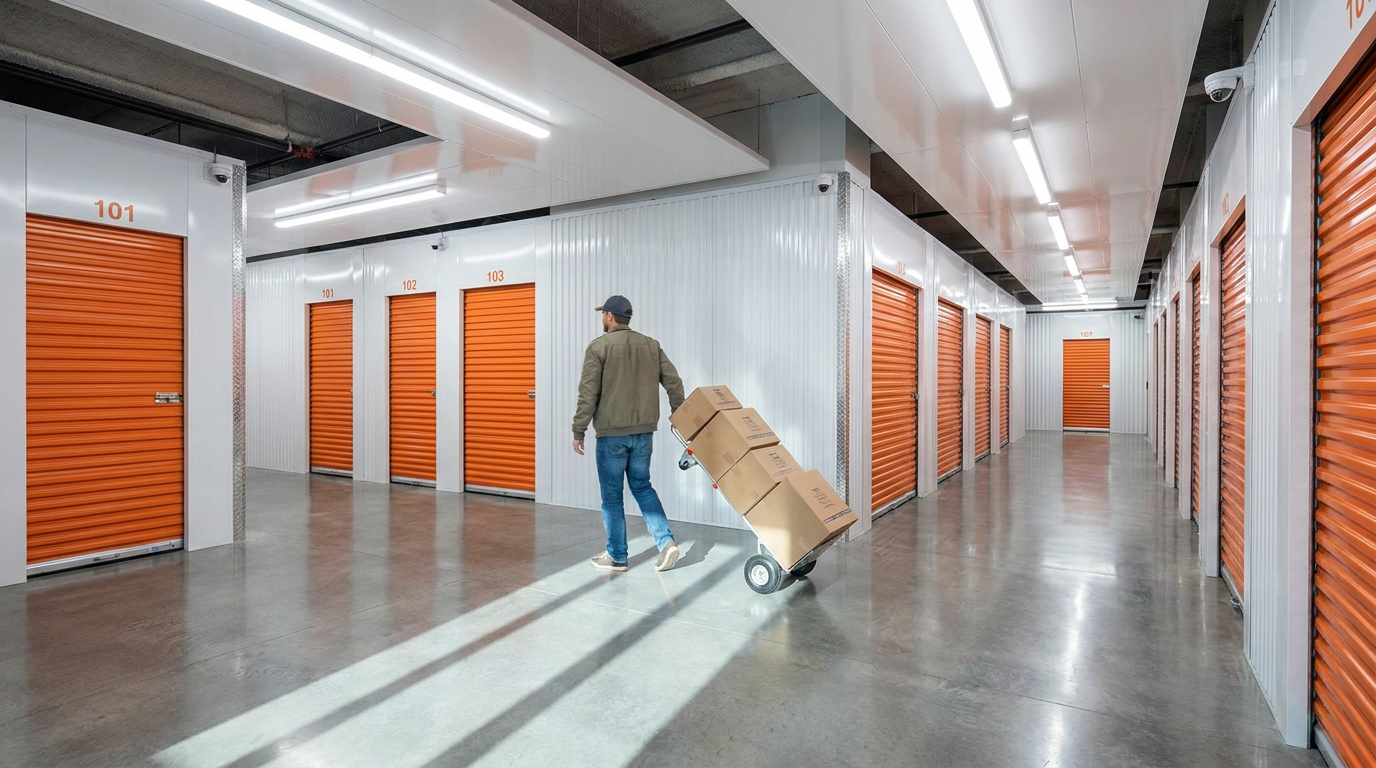
What self storage costs in 2026 - typical monthly ranges by unit size, what drives rates, and Delta, CO context for Highway 50 and Palmer Street. From Delta Self Storage.

Car storage costs $45-$450/month and RV storage runs $50-$500/month depending on type. Compare outdoor, covered, and enclosed options with real pricing.

Learn exactly what storage unit size fits your furniture. Compare 5x5 to 10x30 units with specific dimensions, capacity charts, and expert sizing tips.

Drive-up storage units hold furniture, appliances, seasonal gear, business inventory, and more. Learn what to store and what to avoid in this complete guide.

Learn how to choose the right storage unit size with our complete guide. Covers unit dimensions from 5x5 to 10x30, what fits, and sizing tips for your needs.

Find the right storage unit in Delta, CO. Compare sizes from 60 to 300 sq ft, features like drive-up access and 24/7 entry, plus current pricing from $45/month.