Self Storage Cost Per Month in 2024: Complete Pricing Guide |
| HOW MUCH DOES SELF STORAGE COST PER MONTH IN 2024
⏱ 11 min read ·
📄 #2,109 words
Self storage costs $60 to $300 per month in 2024. See average prices by unit size, what affects rates, and how to find affordable storage in your area.
|
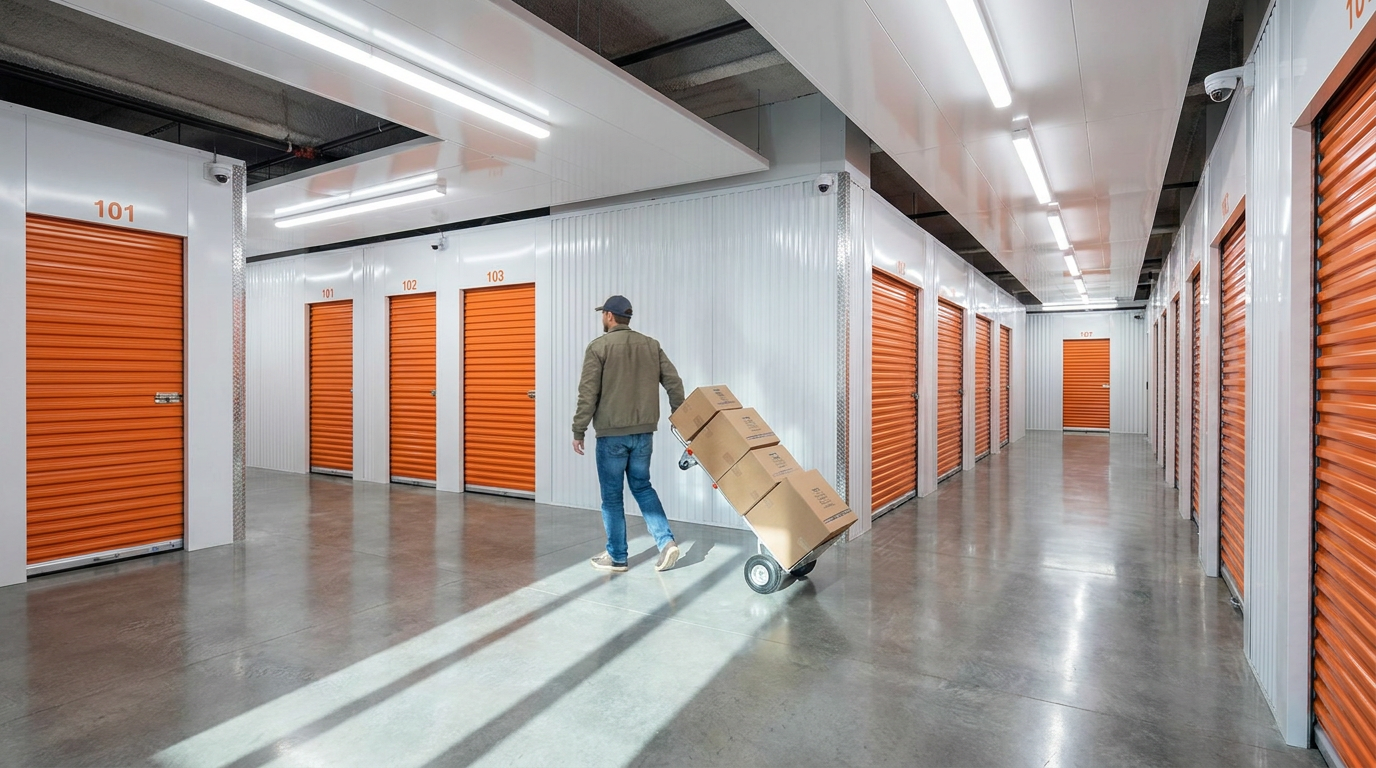
S elf storage costs between $60 and $300 per month in 2024, with the national average falling around $85 to $135 depending on unit size, location, and amenities. A standard 10x10 unit typically runs $90 to $150 monthly, while smaller 5x5 units start around $40 to $80. Climate-controlled options add 15% to 40% to base rates.
| Key Points: | |
|---|---|
| • | National average storage rent: $85 to $133 per month across all unit sizes |
| • | 10x10 units (most popular): $90 to $150 monthly for standard drive-up access |
| • | Climate control adds 15% to 40% to base rental rates |
| • | Rural and secondary markets run 10% to 30% below major metro pricing |
| • | First-month promotions (50% off or $1 first month) are common at most facilities |
2024 Self Storage Pricing by Unit Size
Storage unit prices scale with square footage, though larger units often cost less per square foot than smaller ones. According to Storage.com's internal data, the national average for all units as of May 2024 was $84.97 per month. However, prices vary significantly based on the specific size you need.
The table below shows typical 2024 monthly rates for standard drive-up storage units across the United States. These figures represent non-climate-controlled units with ground-level access.
| Unit Size | Square Feet | Monthly Cost Range | Best For |
|---|---|---|---|
| 5x5 | 25 sq ft | $40 to $80 | Boxes, seasonal decor, small items |
| 5x10 | 50 sq ft | $55 to $100 | Small furniture, sporting equipment |
| 10x10 | 100 sq ft | $90 to $150 | One-bedroom apartment contents |
| 10x15 | 150 sq ft | $130 to $200 | Two-bedroom home, appliances |
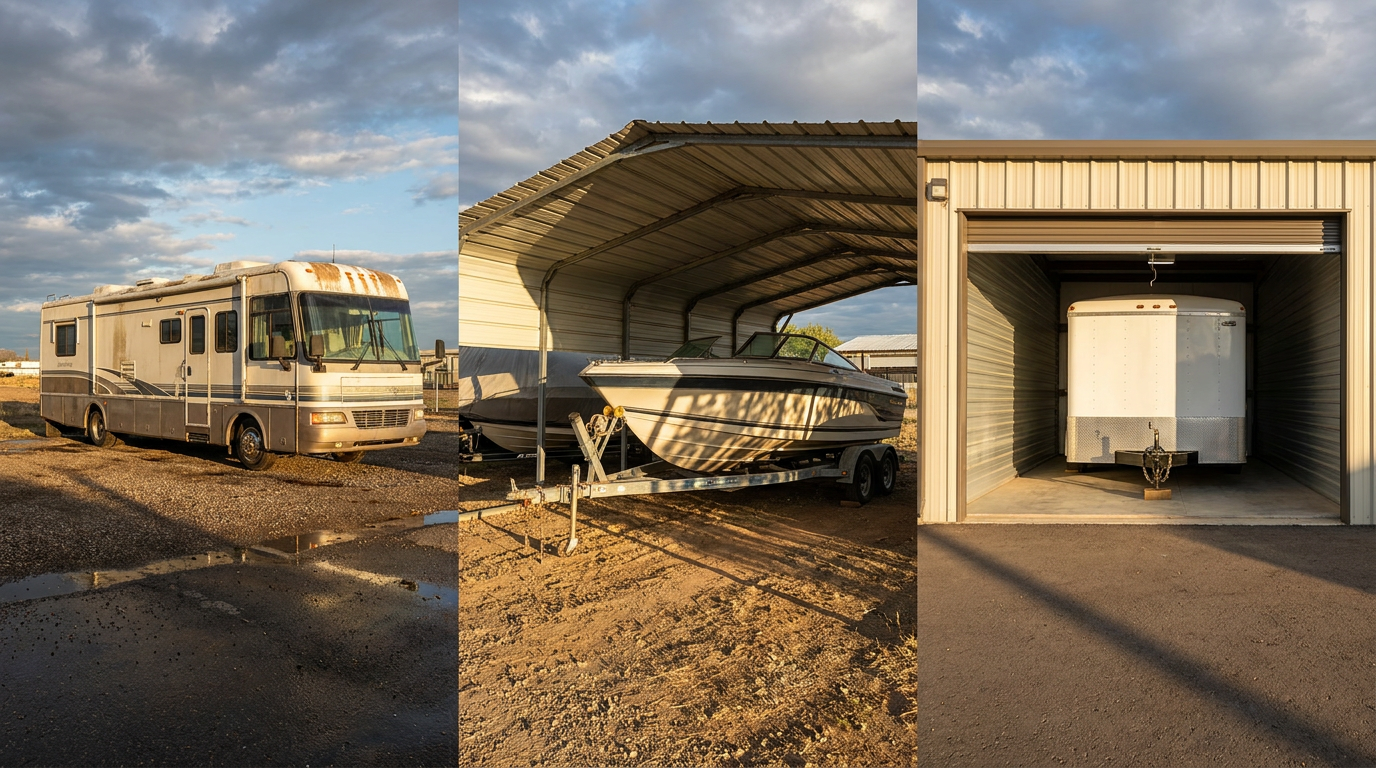
| 10x20 | 200 sq ft | $150 to $250 | Three-bedroom home, vehicles |
| 10x30 | 300 sq ft | $200 to $350 | Large homes, business inventory |
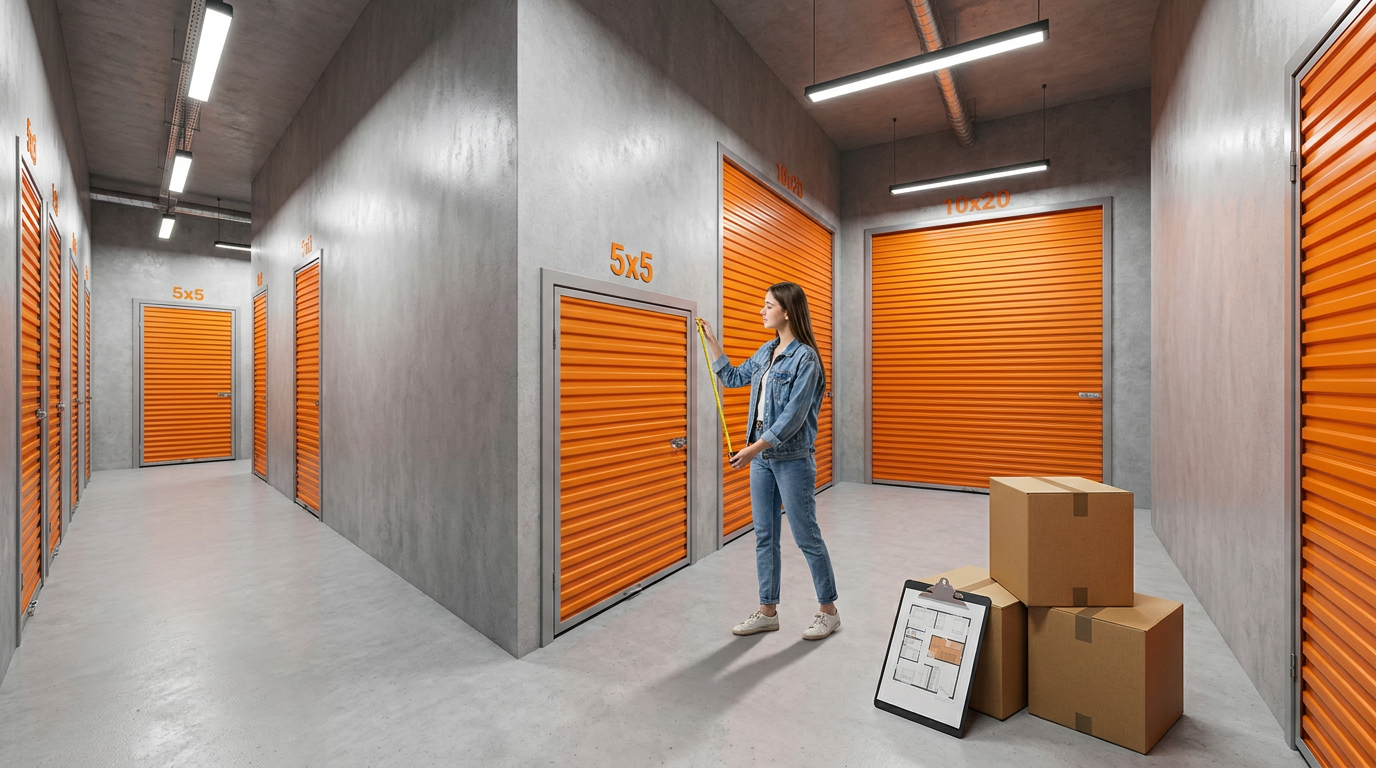
Need help determining the right size? Use a storage unit size guide to match your belongings to the appropriate unit dimensions before committing to a rental.
What Factors Affect Monthly Storage Costs?
Your final monthly rate depends on five primary factors: location, unit type, size, amenities, and current promotions. Understanding these variables helps you budget accurately and find the best value for your storage needs.
Geographic Location
Location is the single largest price determinant. According to Neighbor.com's industry statistics, coastal metros and dense urban areas charge 20% to 35% more than national averages due to higher land and construction costs. A 10x10 unit in Los Angeles or New York City can exceed $200 monthly, while the same unit in a smaller market might cost $80 to $100.
Secondary markets and rural communities typically offer rates 10% to 30% below national averages. Towns in western Colorado, for example, benefit from lower land costs and less competitive pressure on pricing. Residents in Delta County, Montrose County, and surrounding Western Slope communities often find storage rates well below what they would pay in Denver or Colorado Springs.
Climate Control vs. Standard Units
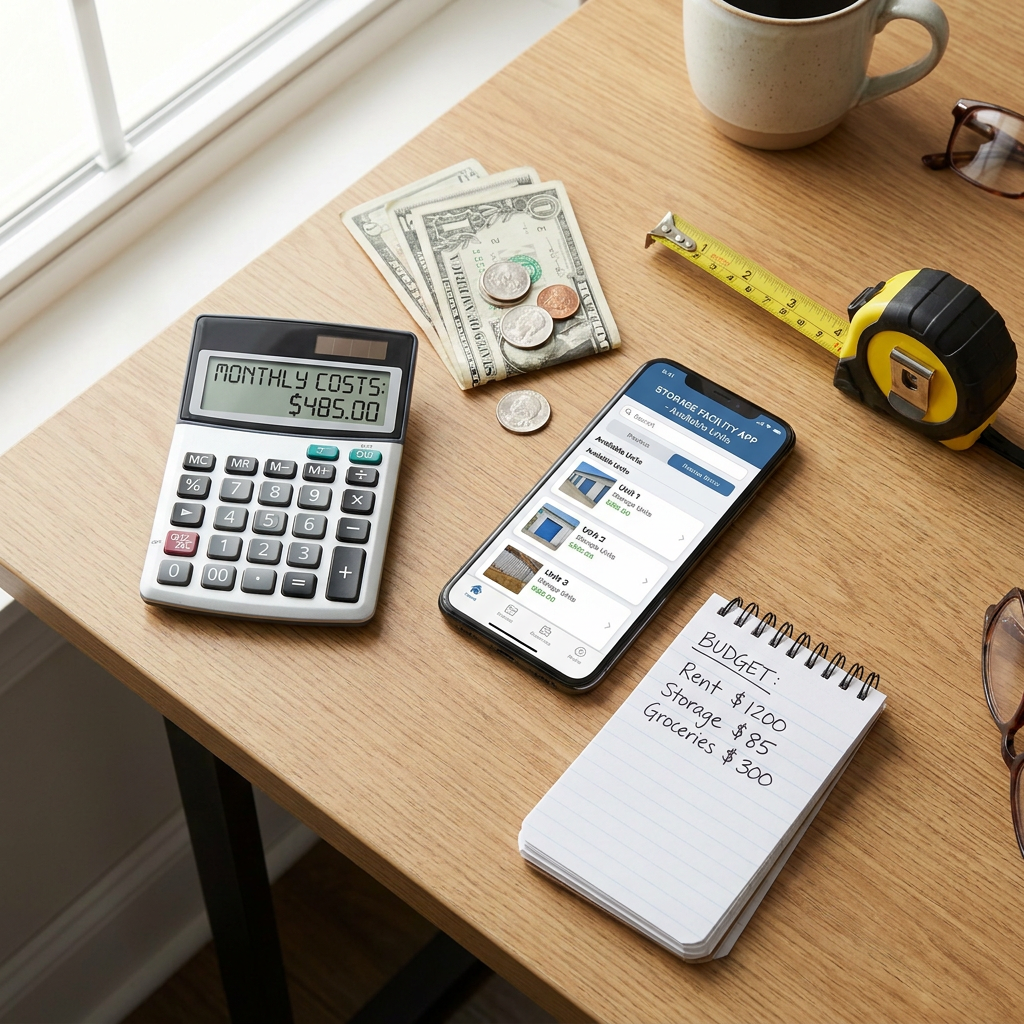
Climate-controlled storage maintains temperatures between 55 and 80 degrees Fahrenheit year-round. This feature protects temperature-sensitive items like electronics, wooden furniture, photographs, and musical instruments. According to industry data from Neighbor.com, the national average for climate-controlled units in 2023 was $145.09 per month compared to $114.51 for non-climate-controlled options.
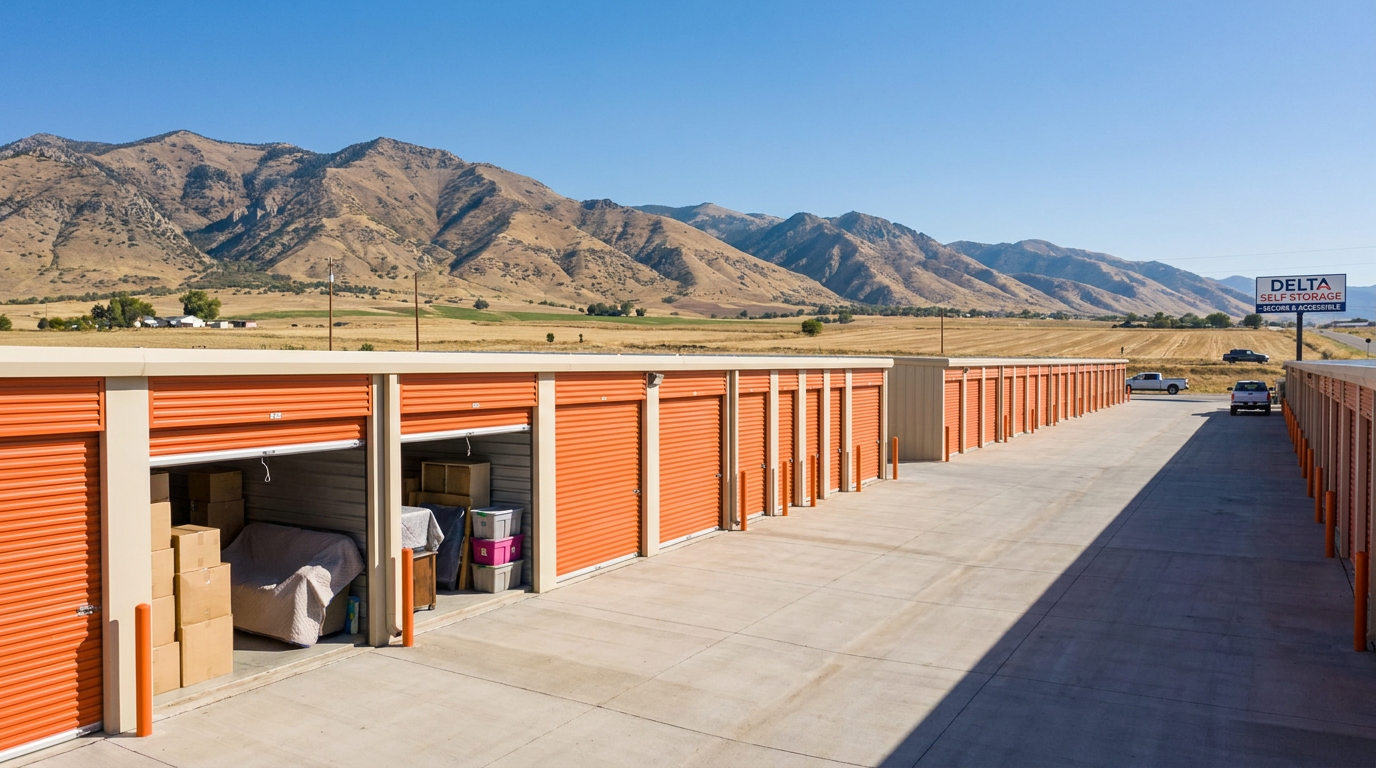
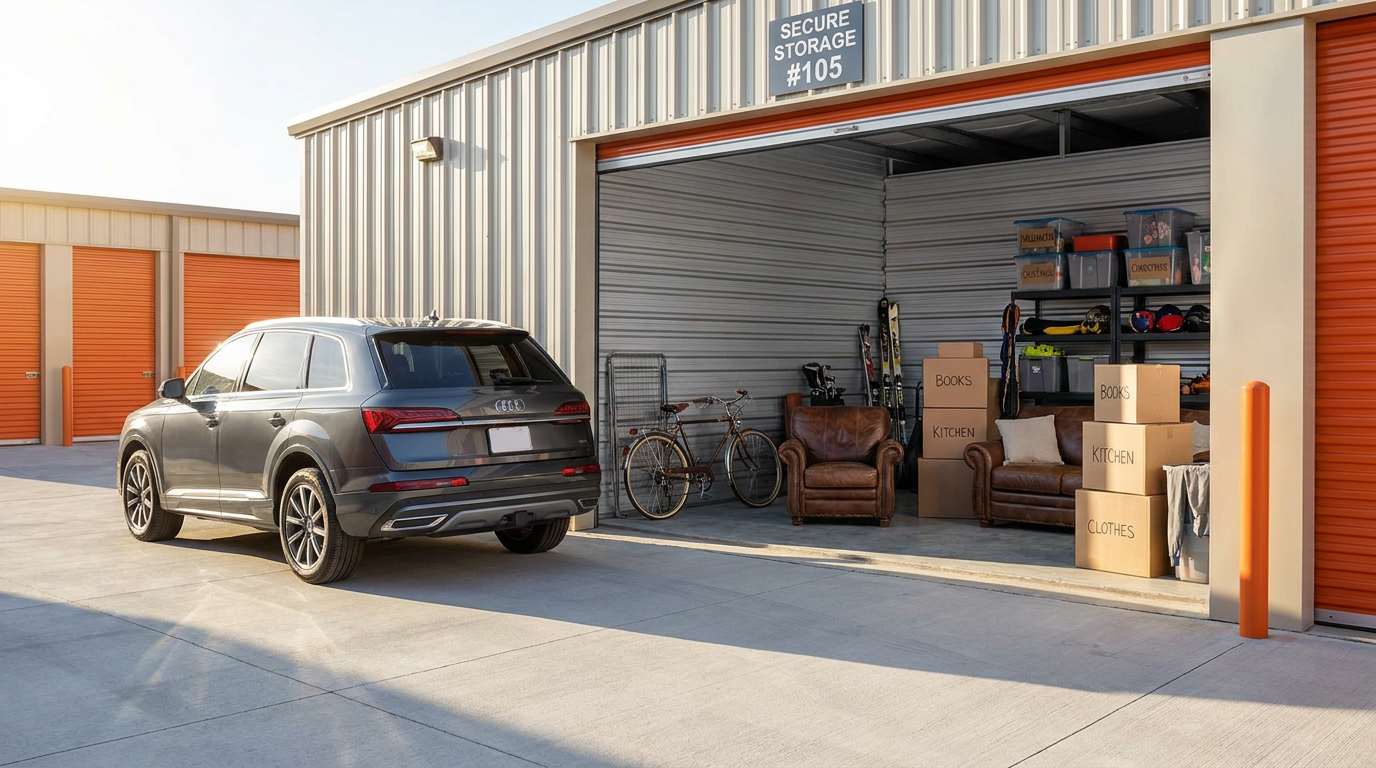
Drive-up outdoor units represent the most affordable option for most storage needs. These ground-level units allow you to pull your vehicle directly to the door for easy loading and unloading. For items that tolerate temperature fluctuations (tools, outdoor equipment, durable furniture), standard drive-up storage delivers the best value.
Unit Size and Configuration
Price per square foot typically decreases as unit size increases. A 5x5 unit at $60 monthly costs $2.40 per square foot, while a 10x20 unit at $180 monthly costs only $0.90 per square foot. If you have flexibility, renting one larger unit often costs less than two smaller ones with equivalent total space.
Premium configurations like corner units, covered loading areas, or units near facility entrances may carry small surcharges of $5 to $20 monthly at some facilities.
Security Features and Amenities
Facilities with enhanced security features may charge slightly higher rates. Common security amenities include 24-hour video surveillance, individual door alarms, gated access with unique entry codes, and bright LED lighting throughout the property. These features protect your belongings and provide peace of mind, particularly for long-term storage.
Additional amenities affecting price include on-site management, paved driveways, and extended access hours. Facilities offering 24/7 access provide maximum flexibility for customers who need to retrieve items outside standard business hours.
How Much Does a 10x20 Storage Unit Cost?
A 10x20 storage unit costs between $150 and $250 per month nationally, with an average around $180 to $200 for standard drive-up access. This 200-square-foot size accommodates the contents of a three-bedroom home or serves as adequate space for vehicle storage.
Climate-controlled 10x20 units typically run $200 to $320 monthly, reflecting the 15% to 40% premium for temperature regulation. In high-cost markets like San Francisco or Boston, expect to pay $300 or more for this size regardless of climate control.
According to Public Storage's pricing guide, you should expect to spend between $60 and $200 per month on average, with 10x20 units falling at the higher end of that range.
How Much Does 6 Months of Storage Cost?
Six months of storage costs between $360 and $1,800 depending on unit size and location. For a typical 10x10 unit at $120 monthly, expect to pay approximately $720 over six months. However, promotional pricing can significantly reduce this total.
Many facilities offer first-month discounts of 50% or more. A unit with a regular rate of $100 monthly and a 50% first-month discount would cost $550 for six months instead of $600. Some national chains advertise $1 first-month specials, though these often apply only to specific unit sizes or require longer commitments.
Month-to-month rentals remain the industry standard, giving you flexibility to move out without penalty if your storage needs change. Facilities requiring deposits or long-term contracts are increasingly rare, though you should always confirm terms before signing.
What Is the Cheapest Way to Get Storage?
The cheapest storage options include drive-up units in secondary markets, promotional pricing at new facilities, and sharing larger units with family or friends. These strategies can reduce your monthly costs by 30% to 50% compared to standard rates.
Choose Drive-Up Over Climate Control
Unless you are storing temperature-sensitive items, standard drive-up units offer the best value. Construction costs for single-story drive-up facilities run $55 to $85 per square foot compared to $105 to $170 for multi-story climate-controlled buildings, according to industry construction data from Stora. These lower build costs translate directly into lower rental rates.
Items that store well without climate control include metal tools, plastic containers, outdoor furniture, lawn equipment, and durable sporting goods. Reserve climate-controlled units for electronics, antiques, photographs, leather goods, and wooden instruments.
Consider Nearby Towns
Storage facilities 10 to 15 miles outside major population centers often charge 15% to 25% less than in-town locations. If you do not need frequent access, the drive time may be worth the savings. A facility in a neighboring community might save you $20 to $40 monthly on a medium-sized unit.
Take Advantage of Promotions
New facilities and those with available inventory frequently offer aggressive promotions. Common deals include 50% off the first month, $1 first-month specials, and waived administrative fees. Always ask about current promotions before renting, as advertised rates often do not reflect available discounts.
Cheaper Alternatives to Traditional Storage Units
If traditional self storage exceeds your budget, several alternatives may work for specific situations. Each option involves tradeoffs in convenience, security, or accessibility.
| Alternative | Typical Cost | Pros | Cons |
|---|---|---|---|
| Portable containers (PODS, U-Pack) | $100 to $300/month | Delivered to your location, good for moves | Higher cost, requires space on property |
| Peer-to-peer storage (Neighbor) | $50 to $150/month | Often cheaper, flexible spaces | Variable security, less professional |
| Garage or shed rental | $75 to $200/month | Larger spaces available | Limited availability, informal agreements |
| Declutter and sell items | $0 (may generate income) | Eliminates ongoing costs entirely | Permanent, time-consuming |
For most people needing reliable, secure storage with easy access, traditional self storage facilities remain the most practical choice. The combination of professional management, security features, and flexible terms justifies the cost for valuable belongings.
Storage Costs in Colorado and the Western Slope
Storage pricing in Colorado varies dramatically between the Front Range and Western Slope communities. Denver-area facilities typically charge $120 to $180 for a 10x10 unit, while smaller markets like Delta, Montrose, and Grand Junction often fall below $100 for equivalent space.
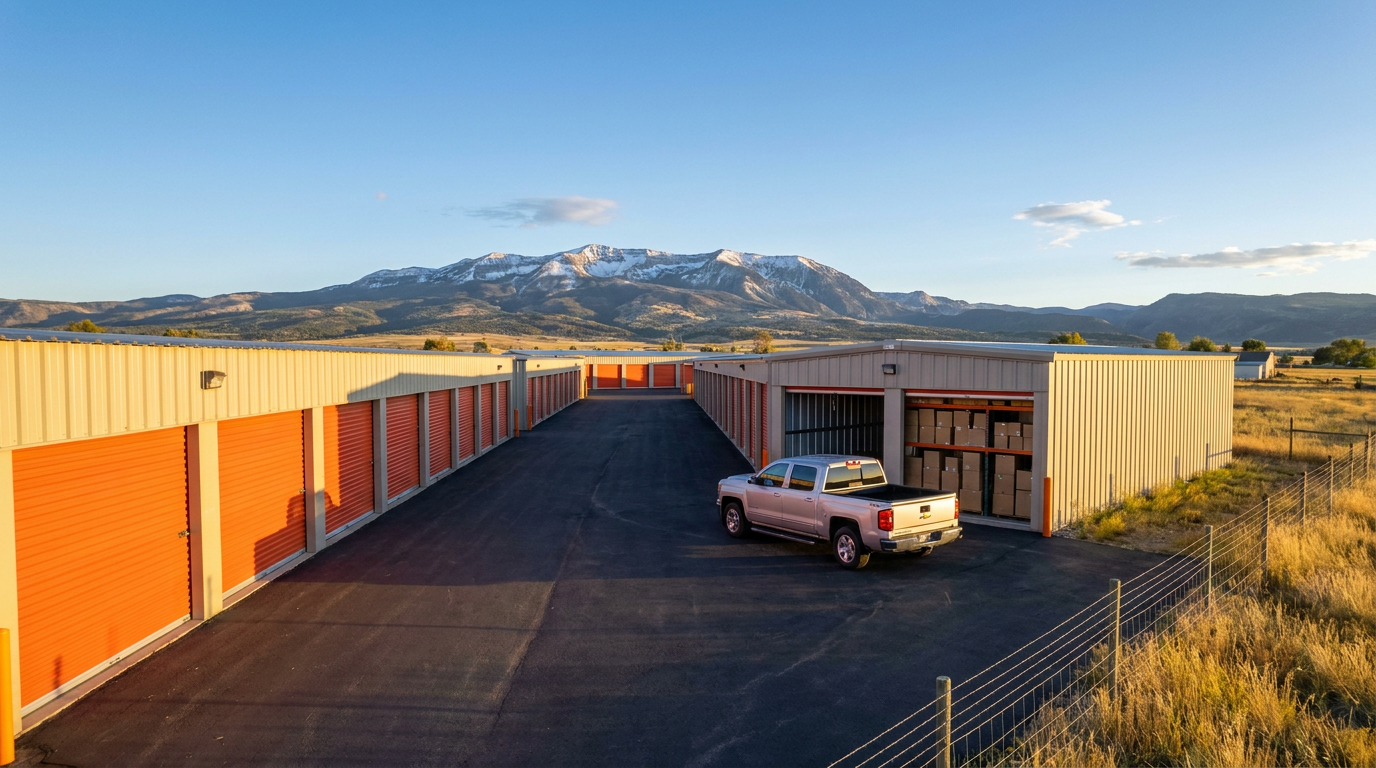
Western Slope storage facilities benefit from lower land costs and reduced construction expenses compared to urban Colorado. Single-story drive-up facilities dominate the market here, avoiding the premium pricing associated with multi-story climate-controlled buildings common in Denver and Colorado Springs.
Residents of Delta County, Montrose County, and surrounding communities including Cedaredge, Hotchkiss, Paonia, and Telluride can typically find storage rates 20% to 35% below Front Range pricing. This makes the region particularly attractive for seasonal storage, business inventory, and long-term household storage needs.
For current availability and pricing at storage facilities in Delta, Colorado, check local options before assuming you need to pay big-city rates.
How to Minimize Your Monthly Storage Costs
Reducing storage expenses requires planning before you rent and ongoing evaluation of your needs. These strategies help you avoid overpaying while maintaining adequate space for your belongings.
Right-size your unit: Estimate your storage needs carefully using a size calculator or guide. Renting a unit one size smaller than you think you need often works if you organize efficiently. Stack boxes, disassemble furniture, and use vertical space.
Avoid unnecessary features: Skip climate control unless storing temperature-sensitive items. Choose facilities with adequate (not excessive) security. Decline optional insurance if your homeowners or renters policy already covers stored belongings.
Review your needs periodically: Storage costs add up over time. A $100 monthly unit costs $1,200 annually. Every six months, evaluate whether you still need everything in storage or could downsize to a smaller unit.
Ask about discounts: Many facilities offer discounts for military personnel, students, seniors, and long-term customers. Autopay enrollment sometimes qualifies for a 5% to 10% rate reduction. Always ask what promotions or discounts apply before signing a rental agreement.
Frequently Asked Questions
Do storage facilities raise prices after you move in?
Many facilities increase rates 3% to 8% within the first 3 to 6 months, according to industry pricing research from RecNation Storage. Ask about rate increase policies before renting. Some locally owned facilities maintain stable pricing for long-term customers, while national chains often implement regular increases.
What fees are included in the monthly storage cost?
Base rental rates typically exclude administrative fees ($15 to $30 one-time), lock purchases ($10 to $20), and insurance or protection plans ($10 to $20 monthly). Some facilities require insurance; others make it optional. Always request a complete cost breakdown including all fees before committing.
Is month-to-month storage more expensive than long-term contracts?
Month-to-month rentals are standard in the self storage industry and rarely cost more than contracted terms. Most facilities do not offer discounts for longer commitments. The flexibility to move out without penalty typically outweighs any potential savings from a fixed-term agreement.
When do I need climate-controlled storage?
Climate control is recommended when storing electronics, wooden furniture, antiques, photographs, documents, leather goods, wine, and musical instruments. If temperatures in your area regularly exceed 90 degrees Fahrenheit or drop below 32 degrees Fahrenheit, climate control protects sensitive items from damage. For durable goods like tools, outdoor equipment, and plastic containers, standard storage works well.
Find Affordable Storage in Delta, Colorado
Delta Self Storage offers drive-up outdoor units at two convenient locations in Delta, Colorado. With 24/7 access, month-to-month rentals, no deposit required, and current promotional pricing of 50% off select units, local residents can secure storage starting at just $29.50 per month.
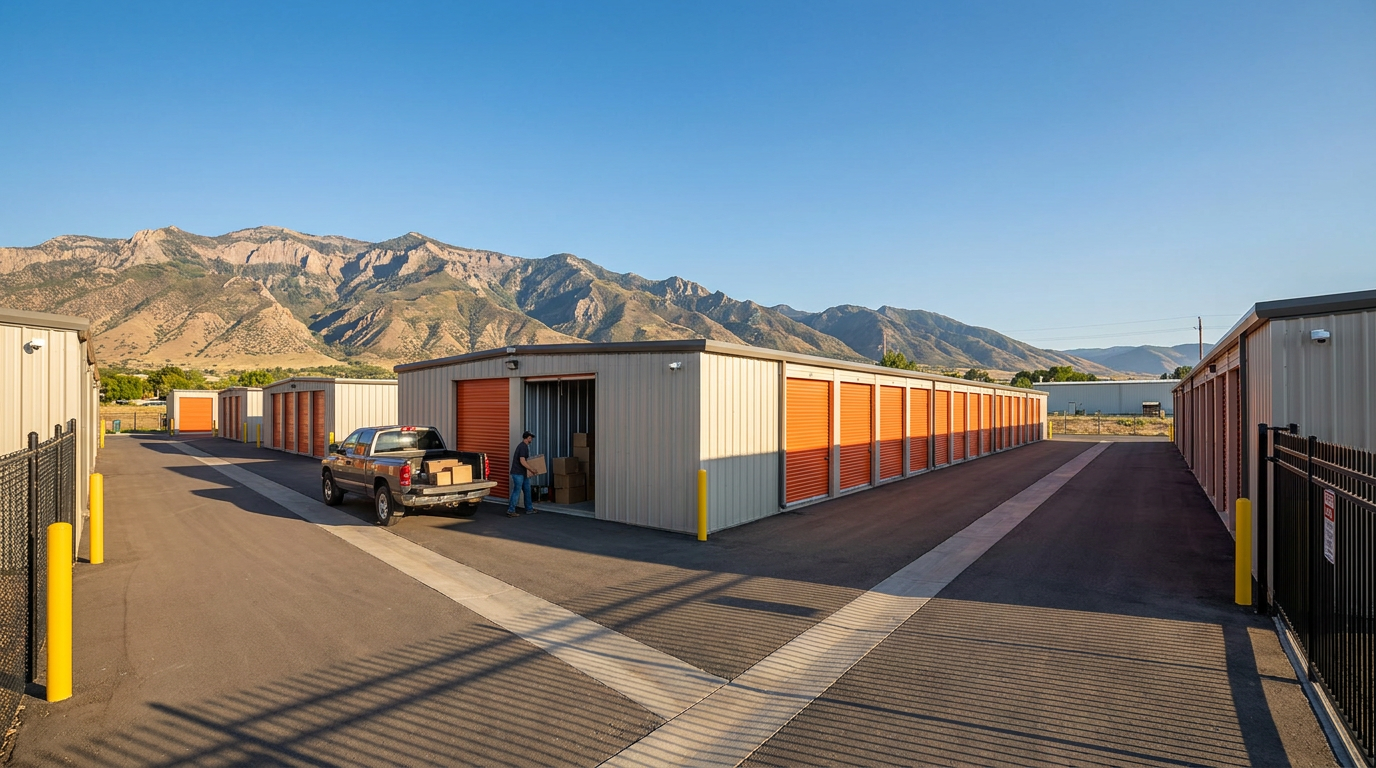
Units range from small 4x15 spaces for boxes and seasonal items to large 10x30 units suitable for business inventory, vehicles, and multi-bedroom home contents. All units feature ground-level drive-up access for easy loading and unloading.
Serving Delta County, Montrose County, and surrounding Western Slope communities including Montrose, Telluride, Grand Junction, Cedaredge, Hotchkiss, and Paonia, Delta Self Storage provides locally owned and operated service with customer support available seven days a week by phone, text, or email.
Ready to rent? Complete the process in 60 seconds online with immediate move-in available. Visit our Palmer Street location or Highway 50 facility to view available units and current pricing. For questions about unit sizes, features, or the rental process, check our frequently asked questions or contact our team directly.
|