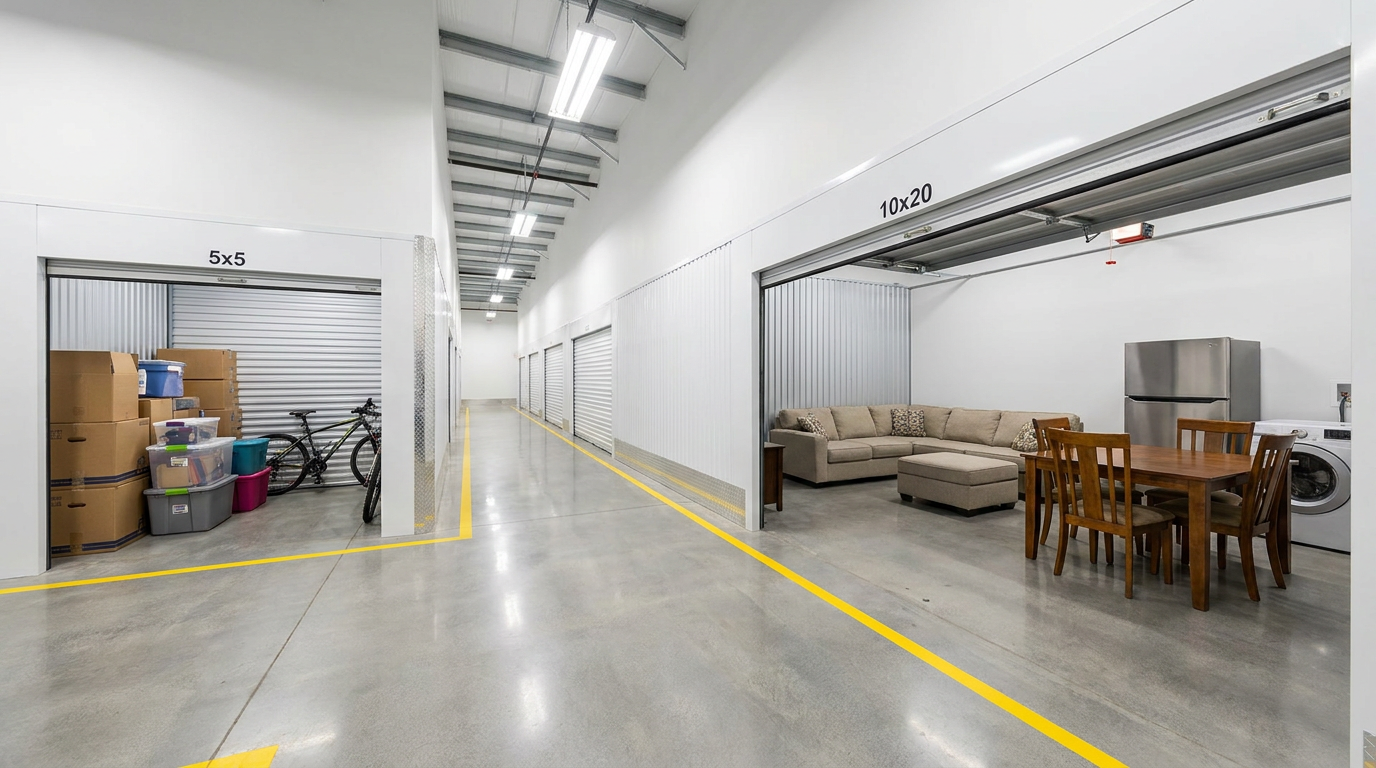
M ini storage units (under 100 square feet) cost $29 to $65 per month and hold seasonal items, boxes, and small furniture. Full-size units (100 to 300 square feet) range from $99 to $449 monthly and accommodate entire households, vehicles, and business inventory. Choose mini storage for temporary overflow; choose full-size for moves, renovations, or long-term business needs.
| Key Points: | |
|---|---|
| • | Mini storage units (4x15 to 8x8) range from 60 to 64 square feet and cost $29 to $63 per month |
| • | Full-size units (10x10 to 10x30) provide 100 to 300 square feet for $99 to $449 monthly |
| • | The 10x10 unit is the most popular size, fitting contents of a one-bedroom apartment |
| • | A three-bedroom house typically requires a 10x20 or larger unit (200+ square feet) |
| • | A queen mattress measures 60x80 inches and will NOT fit in a 5x5 unit standing upright |
Understanding Storage Unit Size Categories
Storage facilities across the United States use standardized sizing, though actual dimensions can vary by 2 to 6 inches depending on wall thickness and construction methods. According to the Public Storage size guide, units are typically categorized as small (lockers to 5x10), medium (5x15 to 10x10), and large (10x15 and above). The Self Storage Association reports that 10x10 units account for approximately 30% of all rentals nationwide.
Mini storage specifically refers to smaller units designed for personal items, seasonal gear, and limited furniture. These units typically measure under 100 square feet. Full-size storage units start at 100 square feet and extend to 300 square feet or more, accommodating everything from apartment contents to vehicles and commercial inventory.
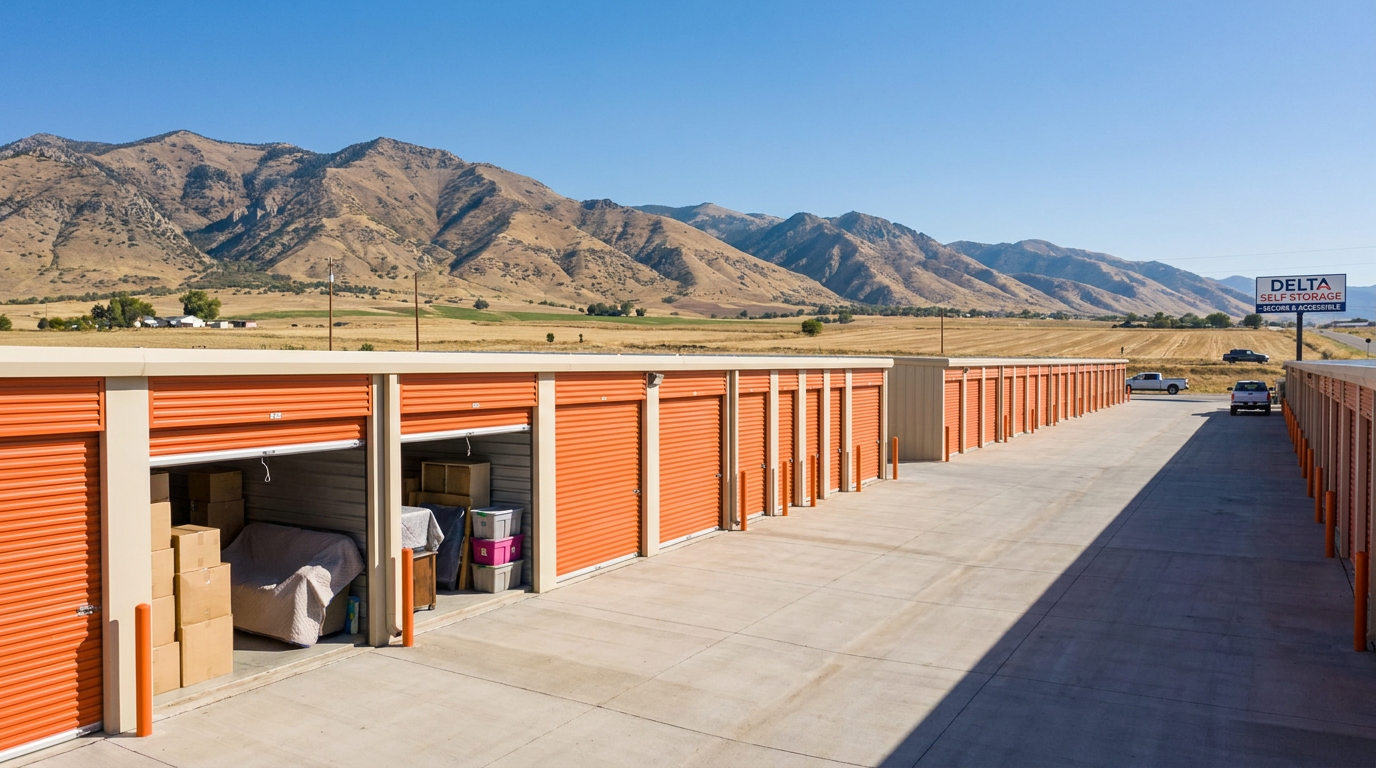
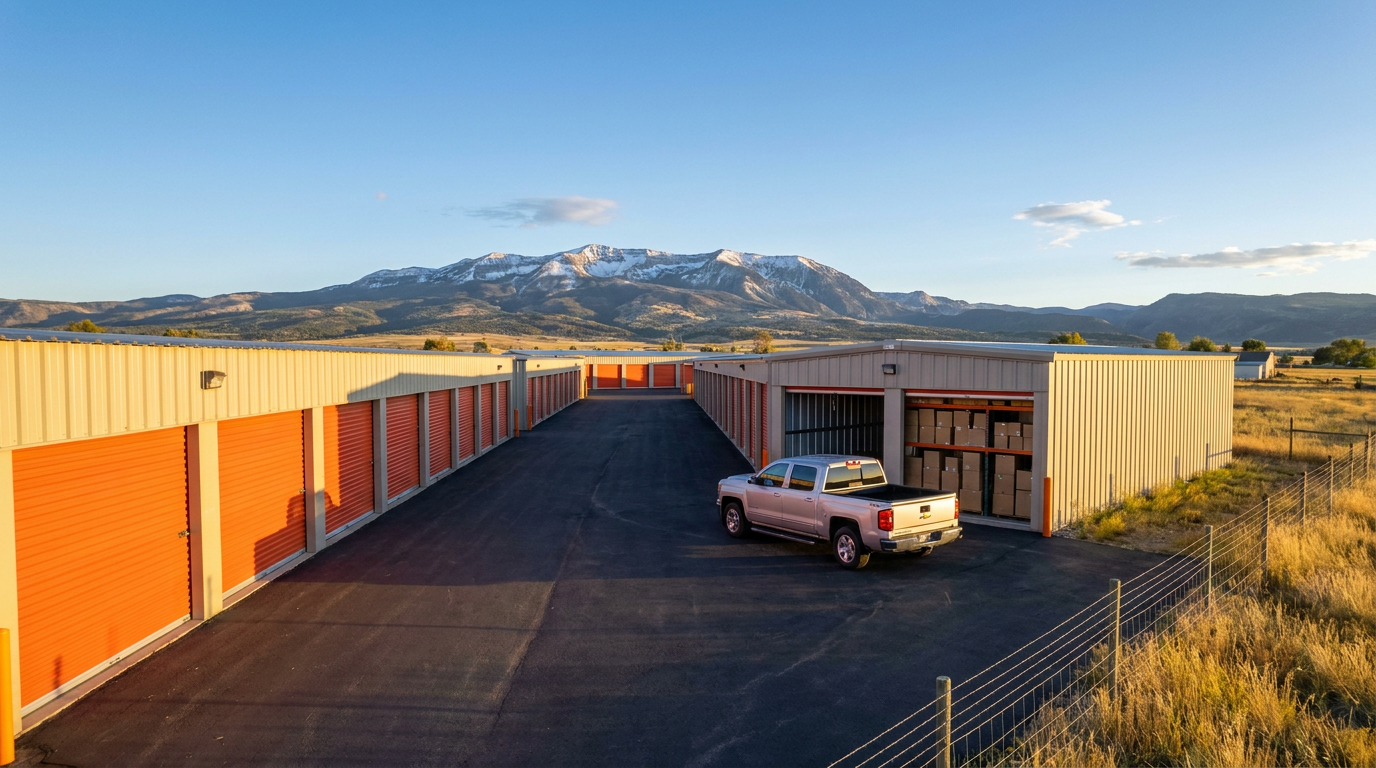
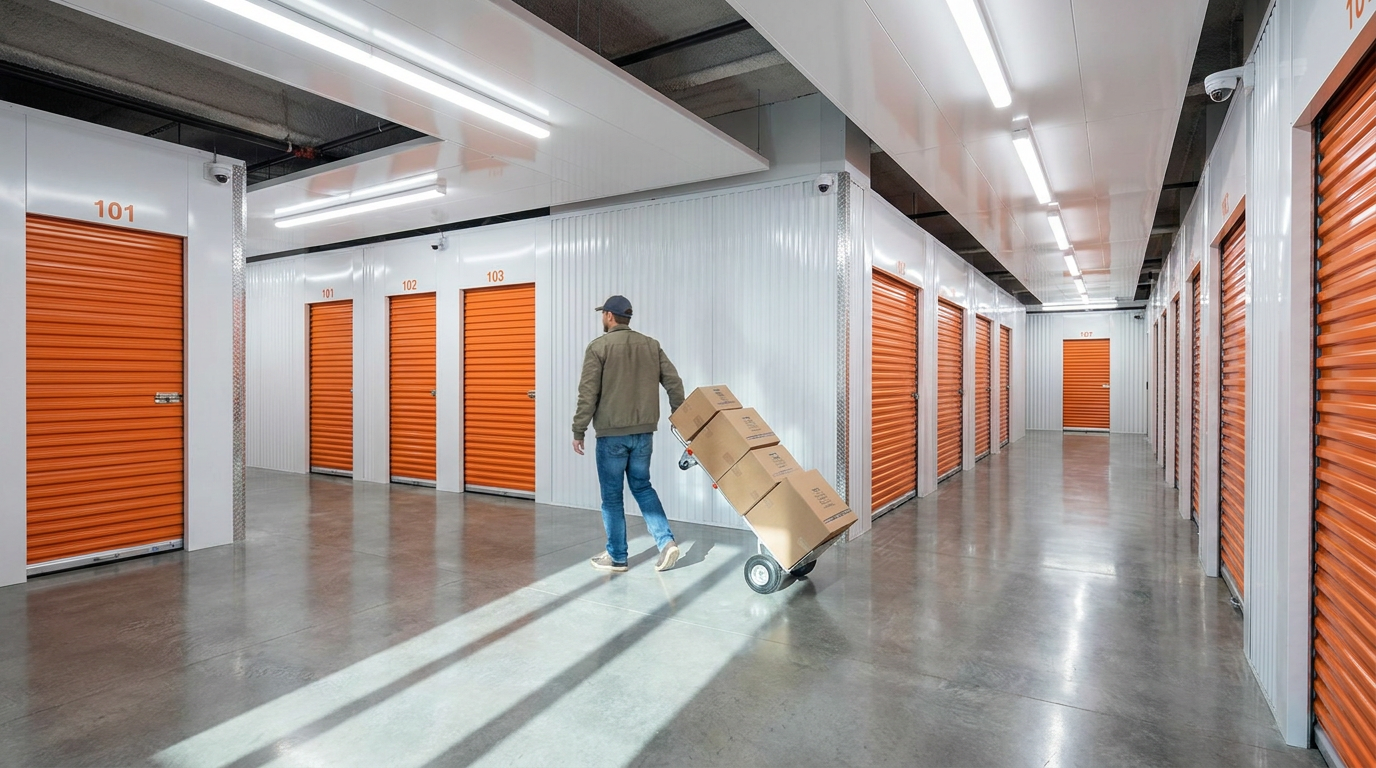
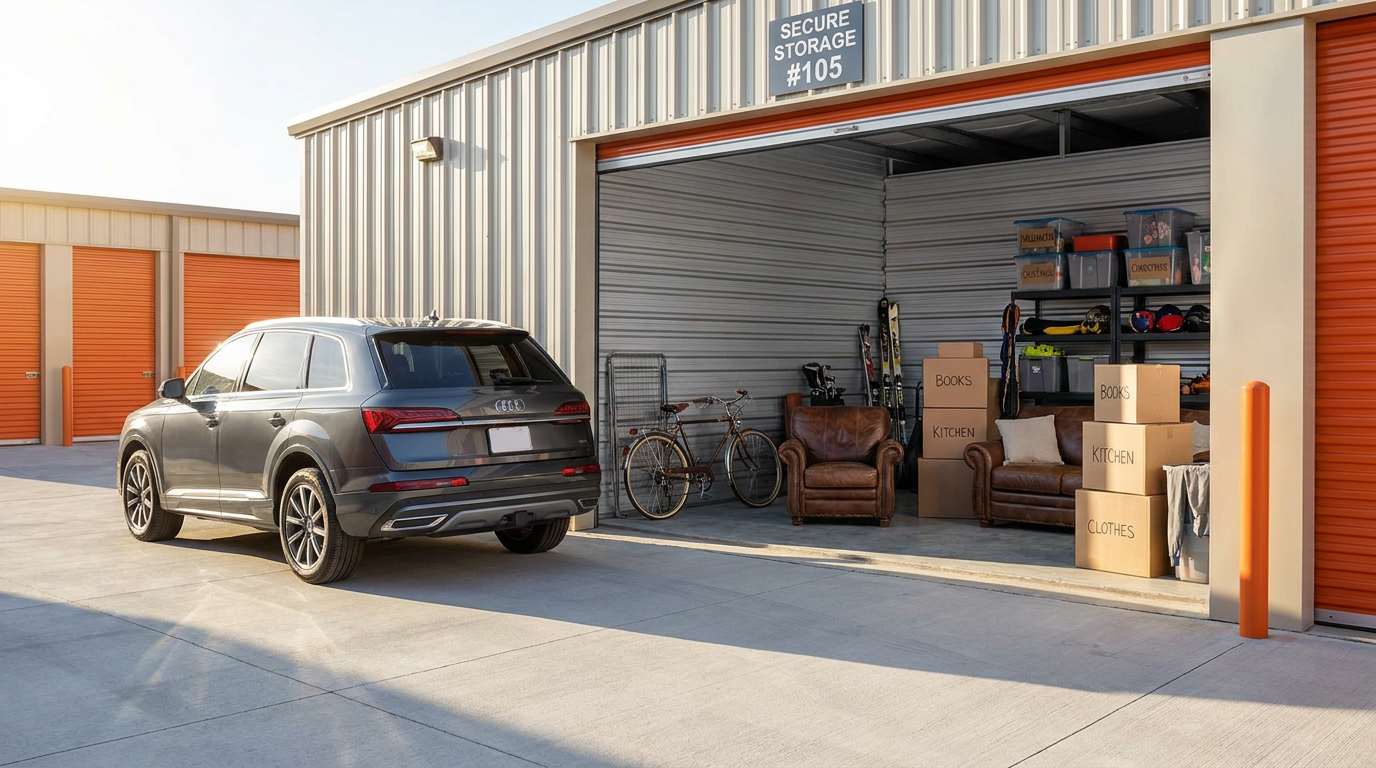
Drive-up access significantly impacts usability regardless of unit size. Ground-level units with vehicle access reduce loading time by 40 to 60 percent compared to interior hallway units requiring dollies and elevators. For residents in Delta County, Montrose County, and surrounding Western Slope communities, drive-up units prove especially practical for storing outdoor recreation equipment, agricultural supplies, and seasonal items.
Mini Storage Unit Sizes and Capacities
Mini storage units range from locker-sized spaces (approximately 4x4 feet) to small rooms (8x10 feet). These compact options serve specific storage needs without the cost of larger spaces. The SmartStop Self Storage guide notes that small units work best for items you access infrequently but need to keep secure.
4x15 Storage Units (60 Square Feet)
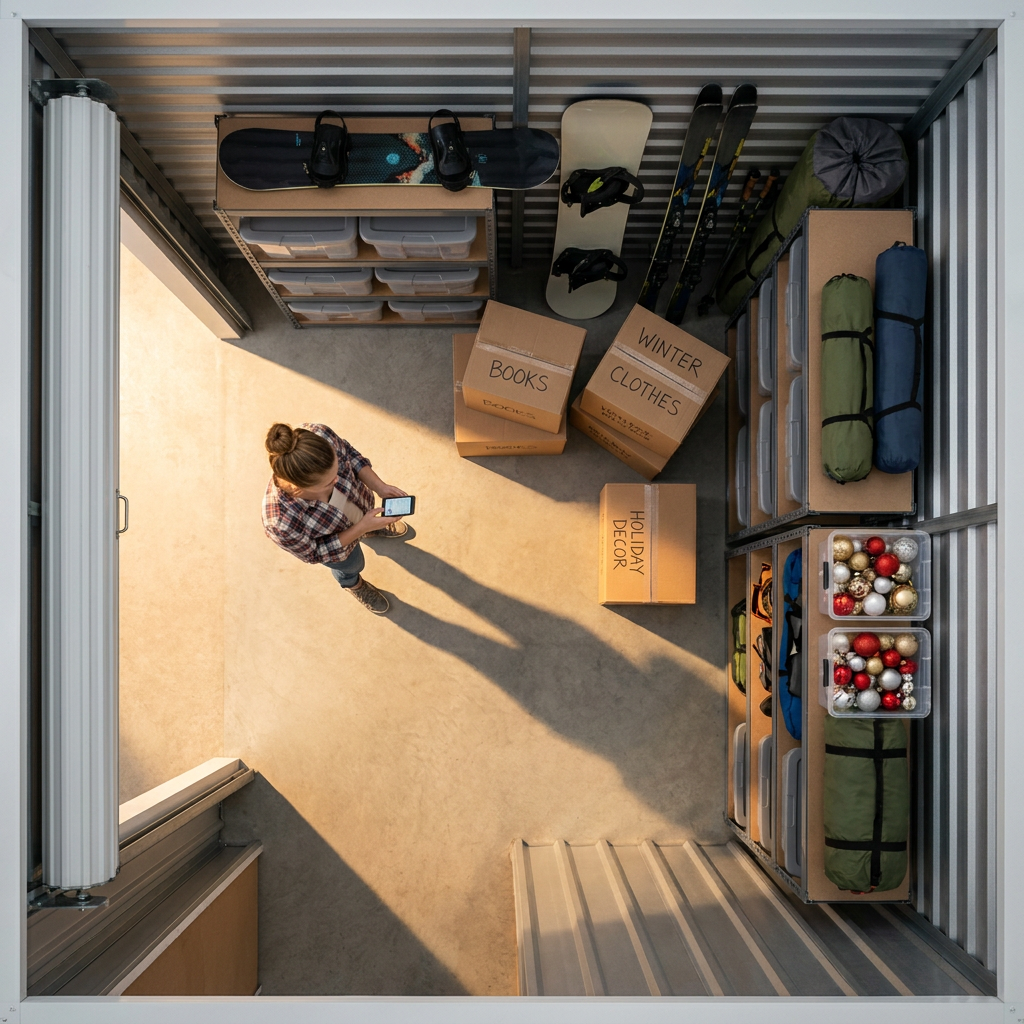
A 4x15 unit provides 60 square feet in a narrow configuration ideal for long items like skis, fishing rods, lumber, or seasonal decorations stored in stackable bins. This shape accommodates approximately 15 to 20 medium moving boxes when stacked floor to ceiling. Monthly costs typically range from $29 to $59 depending on location and promotions.
The narrow width limits furniture storage but excels for organized box storage. Residents storing holiday decorations, camping gear, or archived documents find this configuration efficient. The elongated shape allows easy access to items stored at the back when organized with a center aisle.
5x5 Storage Units (25 Square Feet)
A 5x5 unit equals a standard closet, holding approximately 10 to 15 boxes or small furniture pieces like nightstands, small desks, and chairs. This size works for college students storing dorm items over summer, apartment dwellers with seasonal clothing, or individuals archiving business documents.
Can you fit a queen mattress in a 5x5 storage unit? No. A queen mattress measures 60 inches by 80 inches (5 feet by 6.7 feet). Even standing on its side, the mattress exceeds the 5-foot width and 5-foot depth of this unit. A queen mattress requires a minimum 5x10 unit when stored on its side, or a 10x10 unit when stored flat with other items.
8x8 Storage Units (64 Square Feet)
An 8x8 unit provides 64 square feet, comparable to a large walk-in closet. This space holds the contents of a small studio apartment or one room of furniture plus 20 to 30 boxes. Typical contents include a sofa, dresser, mattress set, and multiple boxes of personal items.
This size bridges the gap between minimal storage and full apartment storage. For Delta and Montrose area residents, an 8x8 unit accommodates seasonal recreational equipment like kayaks, camping gear, and winter sports equipment while leaving room for household overflow.
Full-Size Storage Unit Dimensions and Uses
Full-size storage units start at 100 square feet and scale up to 300 square feet or more. According to Extra Space Storage, medium units (5x15 to 10x10) average $94 to $115 per month nationally, while large units (10x15 to 10x20) cost $159 to $200 monthly. Prices vary significantly by region, with rural areas like Western Colorado offering rates 20 to 40 percent below urban markets.
10x10 Storage Units (100 Square Feet)
The 10x10 storage unit is the most popular size rented in the United States. This 100-square-foot space equals half a standard one-car garage and holds the complete contents of a one-bedroom apartment or two to three rooms of furniture. Typical capacity includes a sofa, dining table with chairs, bedroom set, and 30 to 50 boxes.
Are 10x10 storage units actually 10x10? Most facilities advertise interior dimensions, which may measure 9 feet 6 inches by 9 feet 8 inches after accounting for wall thickness. This variance of 2 to 6 inches rarely impacts storage capacity significantly. Always verify actual dimensions during facility tours if precise measurements matter for your items.
A 10x10 unit provides approximately 800 cubic feet of storage when utilizing vertical space to the standard 8-foot ceiling height. Strategic packing with uniform box sizes and furniture disassembly maximizes this volume. The storage unit size guide at Delta Self Storage helps visualize exactly what fits in each unit type.
10x15 Storage Units (150 Square Feet)
A 10x15 unit holds the contents of a two-bedroom apartment or house. This 150-square-foot space accommodates a full living room set, bedroom furniture, dining set, and 50 to 70 boxes. The extra 50 square feet over a 10x10 provides crucial breathing room for accessing items without complete reorganization.
Business owners frequently select this size for inventory storage, equipment, and archived records. The space accommodates standard pallet dimensions (48x40 inches) with room for multiple pallets and shelving systems. Monthly costs range from $119 to $175 depending on location and amenities.
10x20 Storage Units (200 Square Feet)
A 10x20 storage unit equals a standard one-car garage, providing 200 square feet for three to four bedroom home contents. This size accommodates major appliances, multiple furniture sets, and 80 to 100 boxes. Vehicle storage becomes viable at this size, fitting most sedans, motorcycles, and ATVs.
What size storage do you need for a three-bedroom house? A 10x20 unit (200 square feet) typically suffices for a three-bedroom home when furniture is partially disassembled and items are packed efficiently. Homes with large furniture, extensive belongings, or items requiring individual wrapping may need a 10x25 or 10x30 unit.
The 10x20 storage unit provides approximately 1,600 cubic feet of volume. Cost per month ranges from $150 to $250 in most markets. Western Slope Colorado facilities often offer rates 15 to 25 percent below Denver metropolitan pricing.
10x30 Storage Units (300 Square Feet)
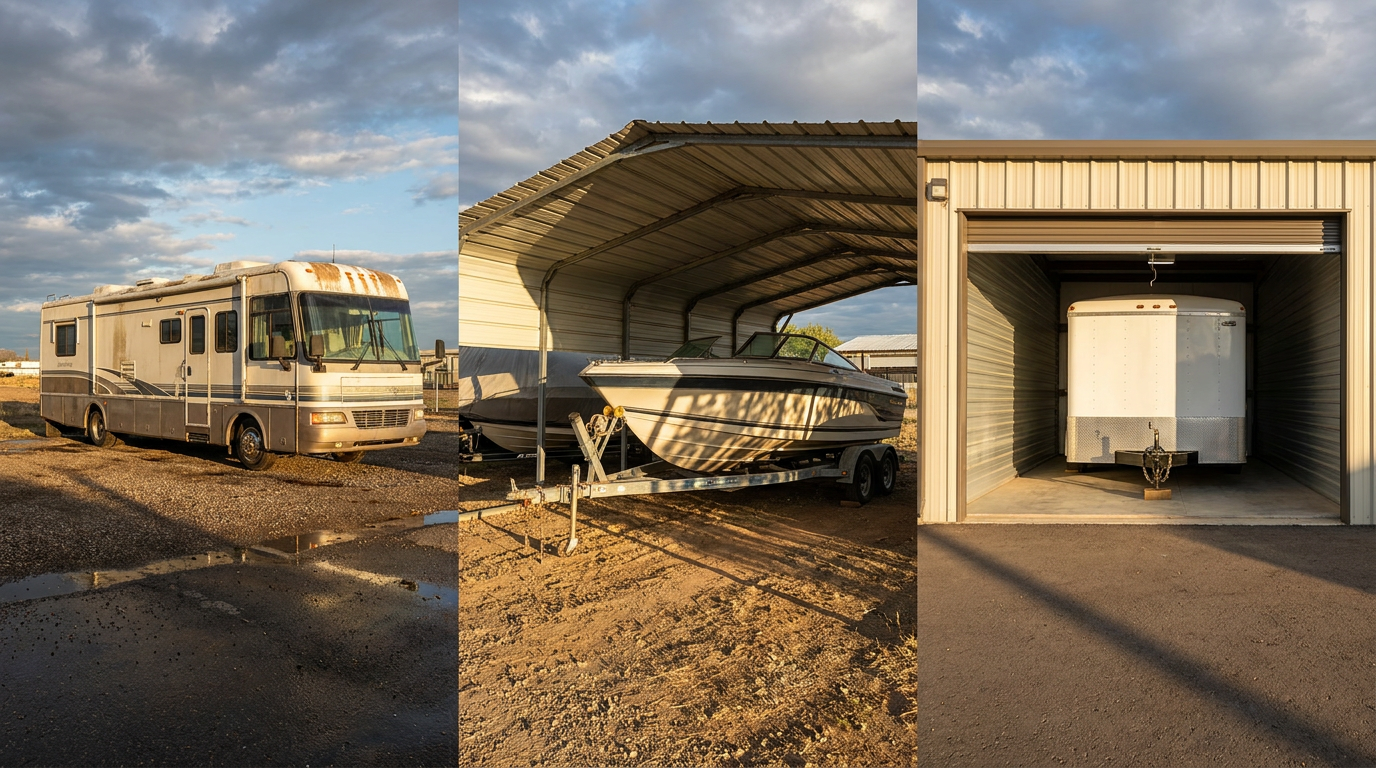
A 10x30 unit equals a large garage or small commercial space with 300 square feet. This size stores four to five bedroom home contents, oversized furniture, major appliances, and vehicles. Dual side access options on larger units allow drive-through capability for boats, trailers, and RVs under 30 feet.
Business applications include contractor equipment storage, retail inventory overflow, and seasonal merchandise. The 2,400 cubic feet of volume (with 8-foot ceilings) accommodates commercial shelving systems, pallet racking, and bulk inventory. Monthly rates range from $249 to $449 depending on access features and location.
Storage Unit Size Comparison Chart
| Unit Size | Square Feet | Cubic Feet | Best For | Typical Cost |
|---|---|---|---|---|
| 4x15 (Mini) | 60 sq ft | 480 cu ft | Boxes, seasonal items, long items | $29-$59/mo |
| 5x5 (Mini) | 25 sq ft | 200 cu ft | Closet contents, documents, small items | $35-$55/mo |
| 8x8 (Mini) | 64 sq ft | 512 cu ft | Studio apartment, one room furniture | $31-$63/mo |
| 8x15 (Medium) | 120 sq ft | 960 cu ft | 1-2 bedroom home, appliances | $59-$119/mo |
| 10x10 (Full) | 100 sq ft | 800 cu ft | 1 bedroom apartment, 2-3 rooms | $49-$99/mo |
| 10x20 (Full) | 200 sq ft | 1,600 cu ft | 3-4 bedroom house, vehicles | $150-$250/mo |
| 10x30 (Full) | 300 sq ft | 2,400 cu ft | 4-5 bedroom house, business inventory | $249-$449/mo |
Cost Comparison: Mini Storage vs Full-Size Units
Storage unit pricing follows a predictable pattern: cost per square foot decreases as unit size increases. A 5x5 unit (25 square feet) at $50 monthly costs $2.00 per square foot. A 10x20 unit (200 square feet) at $200 monthly costs $1.00 per square foot. This 50% reduction in per-square-foot cost makes larger units more economical when you have sufficient items to fill them.
Promotional pricing significantly impacts first-year costs. Many facilities offer 50% off the first month or first three months at reduced rates. Delta Self Storage currently offers 50% off select units at both Delta locations, bringing an 8x8 unit to $31.50 monthly and a 10x10 unit to $49.50 monthly.
Hidden Costs to Consider
Beyond monthly rent, storage costs include insurance or protection plans ($10 to $25 monthly), administrative fees ($15 to $30 one-time), and lock purchases ($10 to $20). Some facilities require deposits equal to one month's rent, though month-to-month rental options often waive this requirement.
Access frequency impacts total cost of ownership. Facilities with 24-hour access eliminate scheduling constraints but may charge premium rates. Standard business-hours-only facilities cost 10 to 20 percent less but limit flexibility. For business users and frequent accessors, 24/7 availability often justifies the modest premium.
Choosing Between Mini and Full-Size Storage
The decision between mini and full-size storage depends on four factors: total item volume, access frequency, storage duration, and budget constraints. Use this decision framework to identify your optimal size category.
Choose Mini Storage (Under 100 Square Feet) When:
- Storing seasonal items accessed 2 to 4 times yearly (holiday decorations, seasonal clothing, sports equipment)
- Archiving documents, records, or collectibles requiring secure but infrequent access
- Decluttering a single room or downsizing from a larger home
- College students storing dorm contents over summer (typically 3 to 4 months)
- Budget limits monthly storage costs to under $75
Choose Full-Size Storage (100+ Square Feet) When:
- Moving between homes with a gap between closing dates
- Renovating your home and need to empty multiple rooms
- Storing business inventory, equipment, or supplies
- Keeping vehicles, boats, ATVs, or recreational equipment
- Combining household storage with workspace needs
The Storage Unit Size Calculator Method
Calculate your required square footage using this formula: List all items, assign square footage per item (sofa = 35 sq ft, bed = 30 sq ft, dresser = 10 sq ft, box = 2 sq ft), total the square footage, then multiply by 1.3 to account for access aisles and stacking limitations. This calculation typically yields an accurate size recommendation within one unit tier.
For a more precise estimate, the storage unit size guide provides visual representations of common item configurations in each unit size. Seeing actual furniture arrangements helps visualize capacity better than square footage calculations alone.
Storage Duration and Unit Size Recommendations
Storage duration influences optimal unit selection. Short-term storage (under 6 months) prioritizes convenience and access. Long-term storage (over 12 months) prioritizes cost efficiency and protection. The National Self Storage Association reports average rental duration of 14 months, though 35% of renters keep units for over two years.
Short-Term Storage (1 to 6 Months)
Moving transitions, home renovations, and seasonal storage typically last 1 to 6 months. For these scenarios, prioritize access convenience over cost optimization. A slightly larger unit reduces packing time and allows easier item retrieval. The additional $20 to $50 monthly cost often saves hours of reorganization.
Month-to-month rental agreements provide flexibility for uncertain timelines. Avoid long-term contracts for short-term needs, as early termination fees can exceed the discount savings. Check our frequently asked questions for details on rental terms and move-out procedures.
Long-Term Storage (12+ Months)
Extended storage benefits from right-sizing to minimize ongoing costs. Spending 2 to 3 hours organizing and consolidating items before storage can reduce required unit size by 20 to 30 percent. Disassemble furniture, vacuum-seal soft goods, and use uniform box sizes to maximize vertical space utilization.
For items stored beyond 12 months, consider protection needs carefully. Western Colorado's climate ranges from below 0 degrees Fahrenheit in winter to above 95 degrees Fahrenheit in summer. Temperature-sensitive items including electronics, photographs, vinyl records, and wooden instruments may require climate-controlled options in extreme climates.
Regional Considerations for Western Slope Colorado
Storage needs in Delta County, Montrose County, and surrounding Western Slope communities often differ from urban markets. Outdoor recreation equipment, agricultural supplies, and seasonal tourism items create unique storage demands. The region's four distinct seasons mean most households accumulate seasonal gear requiring rotation storage.
Common Storage Scenarios in Western Colorado
Ski and snowboard equipment from Telluride, Crested Butte, and Powderhorn requires secure off-season storage from April through November. A 4x15 or 5x10 mini unit accommodates equipment for a family of four plus boots, poles, and accessories. Water sports equipment for Blue Mesa Reservoir, Ridgway Reservoir, and Colorado River access points needs similar seasonal rotation.
Agricultural operations throughout Delta, Cedaredge, Hotchkiss, and Paonia frequently require equipment storage exceeding residential garage capacity. Tractors, implements, and seasonal harvest equipment fit in 10x20 or 10x30 units with drive-up access. Dual side access units allow drive-through capability for trailers and equipment requiring towing.
Tourism and hospitality businesses in the region use storage for seasonal inventory rotation. Summer and winter recreation rentals, event equipment, and promotional materials cycle through storage during off-peak months. Business storage at Highway 50 location provides convenient access for commercial users.
Maximizing Storage Unit Efficiency
Proper organization increases effective storage capacity by 25 to 40 percent. These techniques apply to both mini and full-size units, though larger units benefit more from systematic approaches.
Vertical Space Utilization
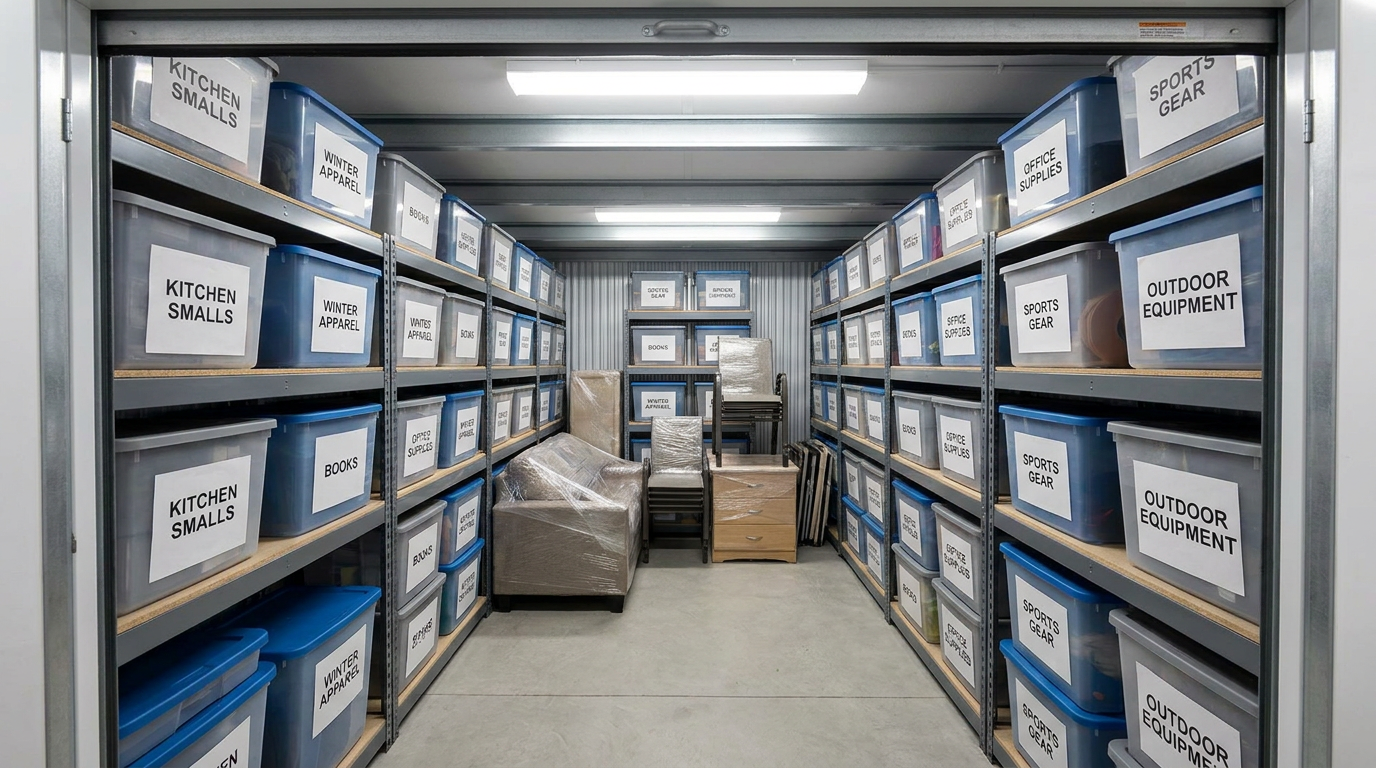
Standard storage units feature 8-foot ceilings, providing significant vertical capacity often underutilized. Stack sturdy items (boxes, plastic bins, furniture) to 6 feet, leaving 2 feet for air circulation and sprinkler clearance. Place heaviest items at the bottom, medium-weight items in the middle, and lightest items on top.
Shelving systems multiply accessible storage in mini units. A $50 to $100 shelving unit creates 3 to 4 additional shelf levels, converting floor space into organized vertical storage. This investment pays for itself within 2 to 3 months by potentially allowing a smaller unit rental.
Access Planning
Create a center aisle in units deeper than 10 feet. This 2-foot-wide pathway allows access to items at the back without complete reorganization. Place frequently accessed items near the front and seasonal items toward the rear. Label all boxes on multiple sides for visibility regardless of orientation.
Inventory documentation prevents forgotten contents and insurance claim complications. Photograph items before storage, maintain a written inventory list, and update records when adding or removing items. Store the inventory list digitally and keep a physical copy outside the unit.
Frequently Asked Questions
Can you fit a queen mattress in a 5x5 storage unit?
No. A queen mattress measures 60 inches wide by 80 inches long (5 feet by 6.7 feet). A 5x5 unit cannot accommodate these dimensions even with the mattress standing on its side. Store a queen mattress in a 5x10 unit (standing) or 10x10 unit (flat with other items). Always use a mattress bag to protect against dust and moisture during storage.
What is the most popular storage unit size?
The 10x10 storage unit (100 square feet) is the most frequently rented size nationwide, accounting for approximately 30% of all storage rentals according to industry data. This size balances capacity and cost, fitting the contents of a one-bedroom apartment or 2 to 3 rooms of furniture. Monthly costs average $99 to $150 in most markets.
Are 10x10 storage units actually 10x10?
Advertised dimensions represent interior space, which may measure 2 to 6 inches smaller than stated due to wall thickness. A "10x10" unit typically measures 9 feet 6 inches to 9 feet 10 inches in actual interior dimensions. This variance rarely impacts storage capacity significantly, but verify exact measurements if storing items requiring precise clearances.
What size storage do I need for a 3 bedroom house?
A three-bedroom house typically requires a 10x20 storage unit (200 square feet) when furniture is partially disassembled and items are packed efficiently. Homes with oversized furniture, extensive belongings, or items requiring individual wrapping may need a 10x25 (250 square feet) or 10x30 (300 square feet) unit. Calculate 50 to 70 square feet per bedroom as a starting estimate.
How do I decide between mini storage and full-size storage?
Count your large items (furniture pieces, appliances, mattresses) and estimate box quantities. If your inventory includes fewer than 5 large items and under 30 boxes, mini storage (under 100 square feet) likely suffices. If you have 5 or more large items, multiple room sets, or over 50 boxes, full-size storage (100+ square feet) provides necessary capacity and access convenience.
Is it cheaper to rent one large unit or two small units?
One large unit almost always costs less than equivalent combined small units. A 10x20 unit (200 square feet) at $200 monthly costs less than two 10x10 units (200 total square feet) at $115 each ($230 total). The single larger unit also eliminates duplicate lock purchases and simplifies access logistics.
Making Your Final Decision
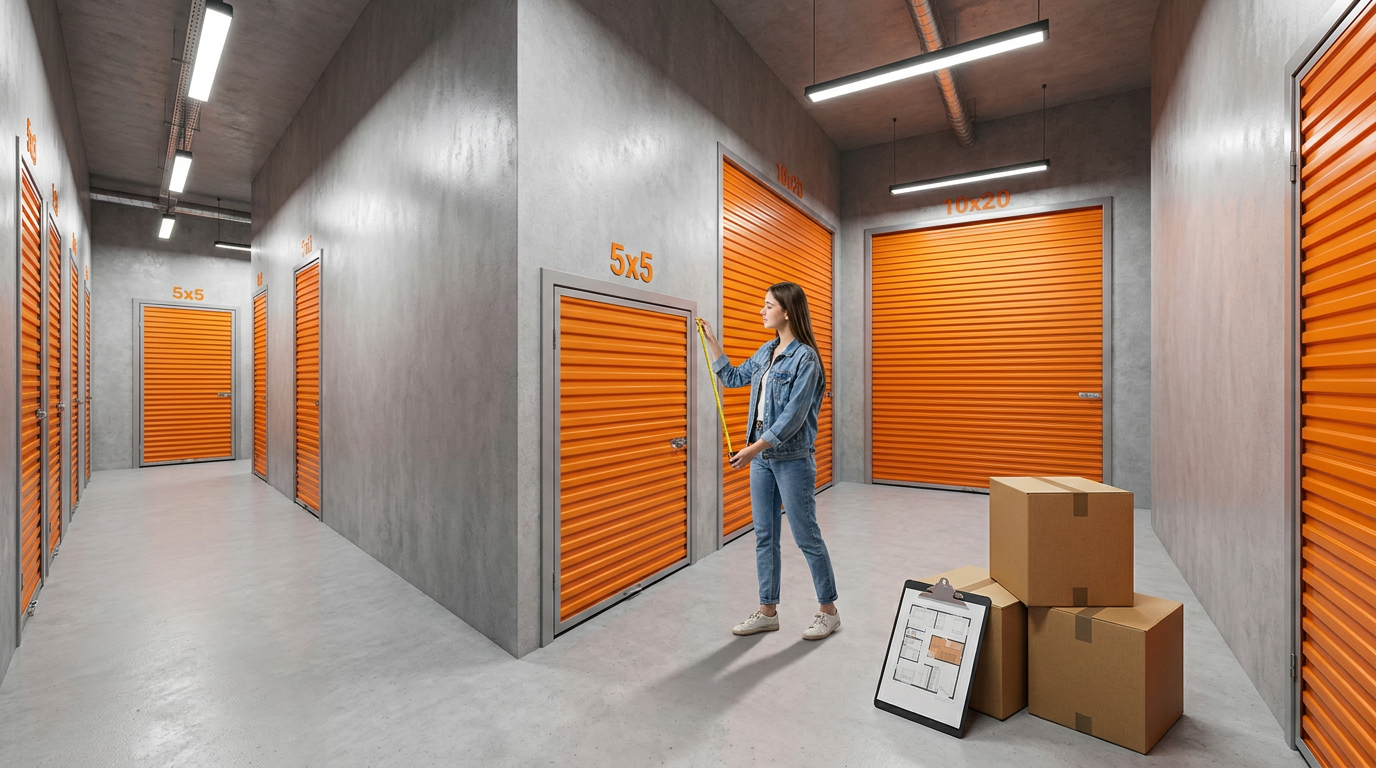
Selecting between mini storage and full-size units requires honest assessment of your storage volume, access needs, and budget. When uncertain, visiting a facility to see actual unit sizes provides clarity that online research cannot match. Walk through different unit sizes with your item list to visualize the fit.
Most storage facilities allow unit size changes during your rental period. Starting with a slightly larger unit and downsizing after initial organization often works better than cramming items into an undersized space. The modest additional cost of a larger unit typically saves time and frustration during loading and retrieval.
For residents throughout Delta, Montrose, Cedaredge, Hotchkiss, Paonia, and surrounding Western Slope communities, locally owned storage facilities offer personalized guidance that national chains cannot match. Local operators understand regional storage needs, from ski equipment to agricultural implements, and can recommend appropriate unit sizes based on experience with similar customers.
Ready to find your ideal storage unit size? Contact Delta Self Storage by phone, text, or email seven days a week for personalized recommendations based on your specific storage needs.
|